The export volume of Kazakhstan's crude oil via the Caspian Pipeline Consortium (CPC) pipeline, a critical route for reaching international markets, experienced a sharp decline in July.
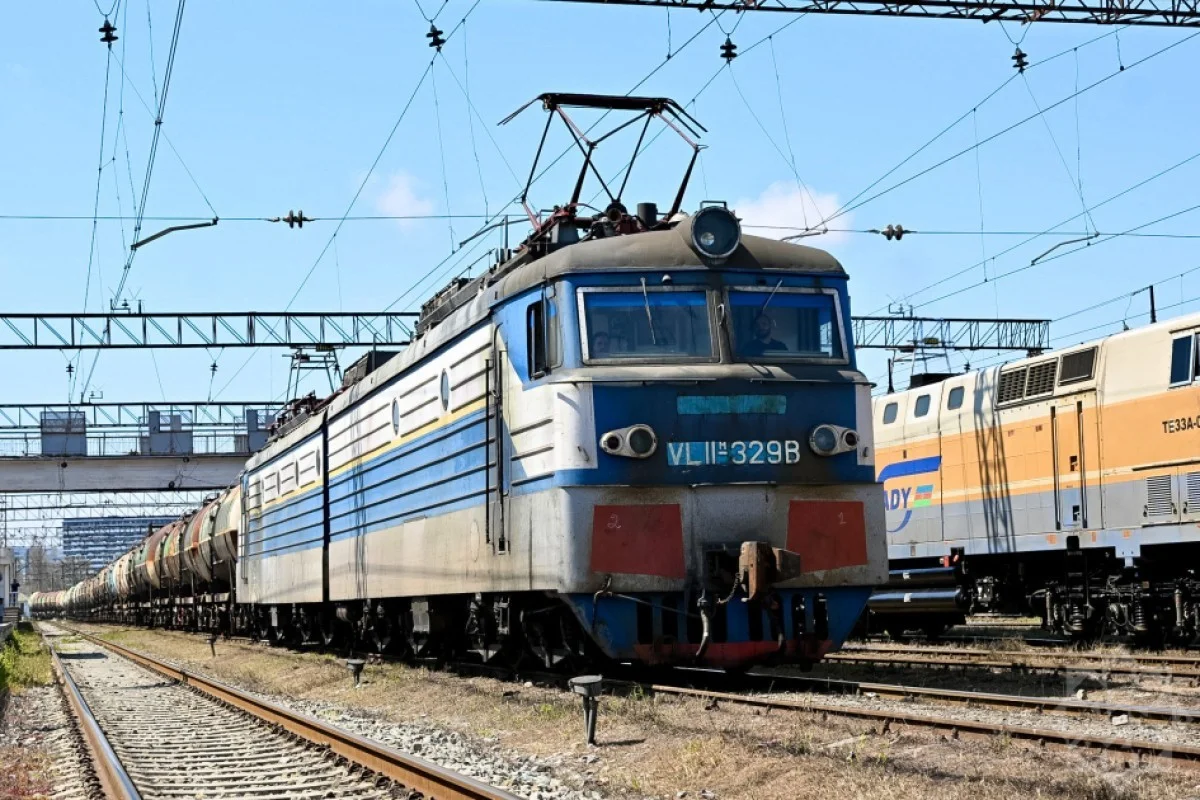
According to the Operative Information Center-OMM, citing industry sources reported by Reuters, oil shipments fell to 4.6 million tons in July from 5.91 million tons in June, marking a 22 percent month-on-month decrease.
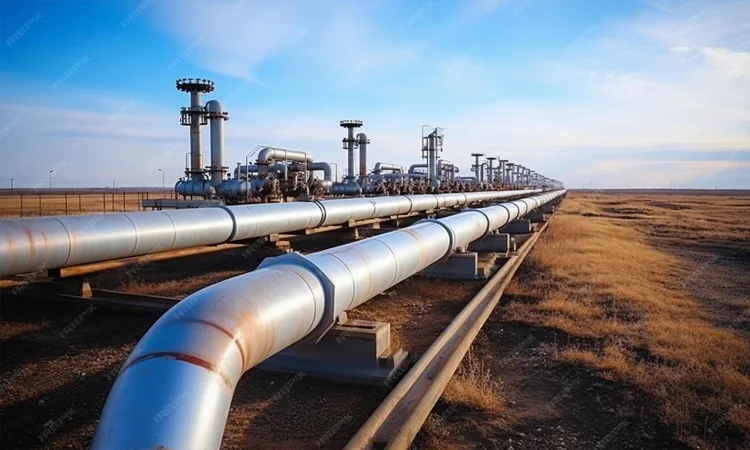
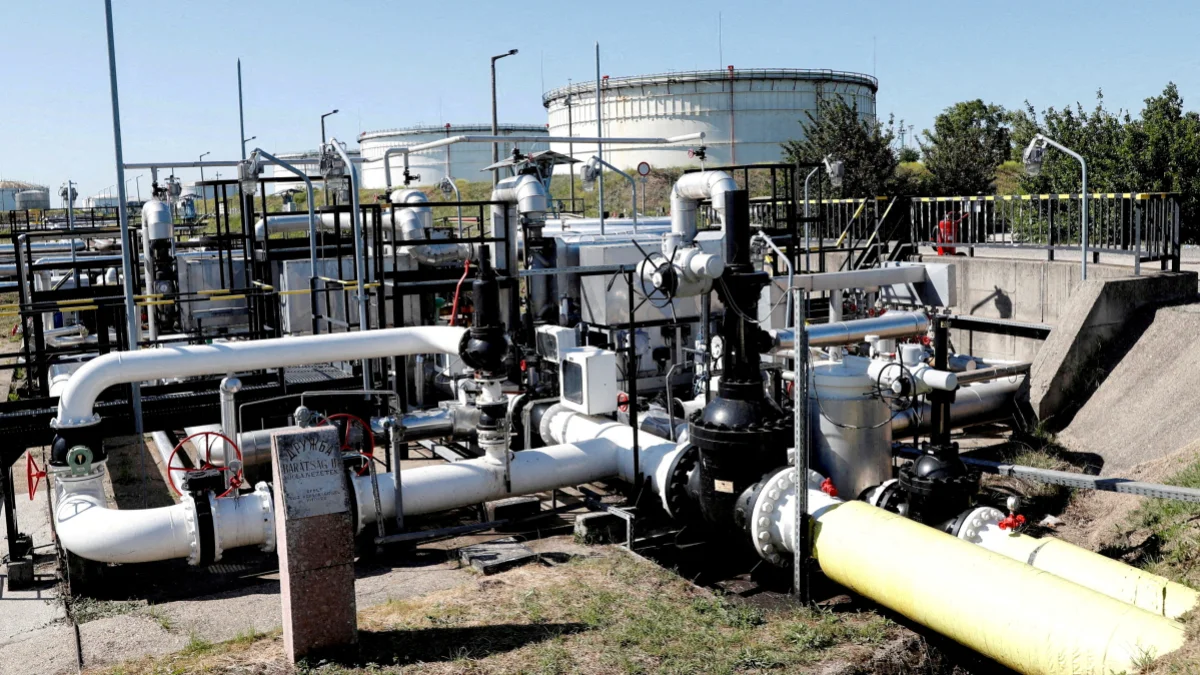
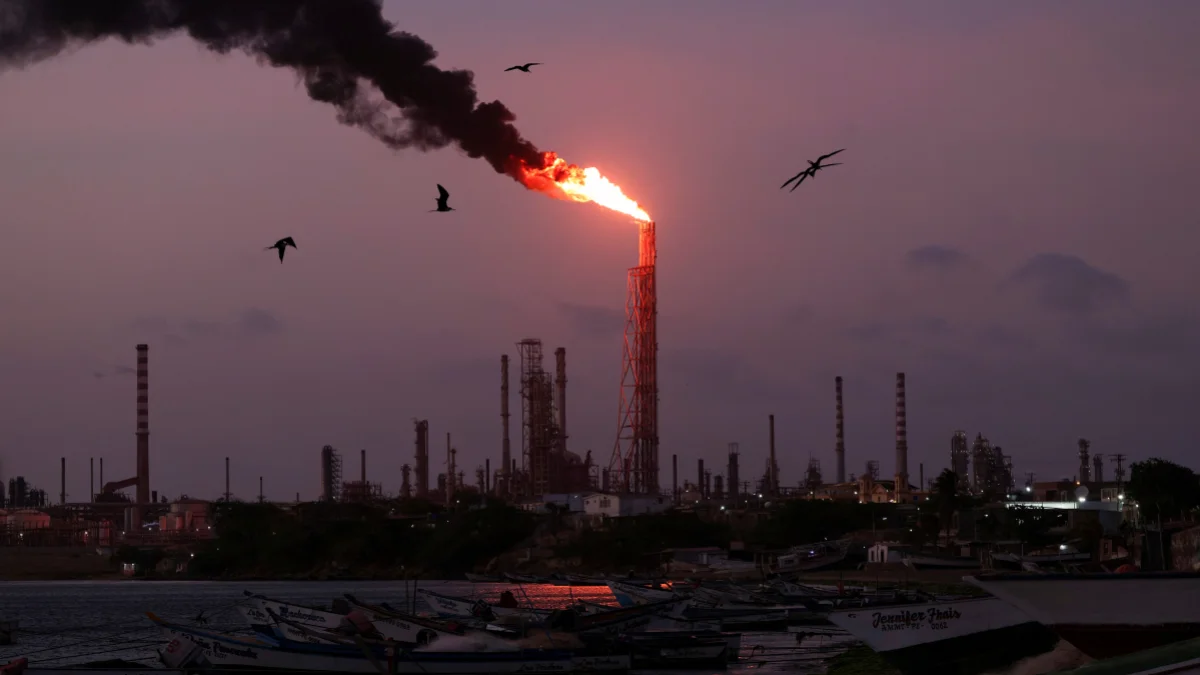
The primary driver behind this export reduction is the ongoing security instability in the Black Sea region. Reports indicate that drone attacks targeting tankers near the terminal in Novorossiysk have caused significant operational disruptions for the CPC. As a pipeline of strategic importance to Kazakhstan, the CPC traverses Russian territory to reach the Black Sea, serving as a vital artery for the country's oil exports. Consequently, security incidents occurring outside of Kazakhstan's borders are directly impacting the nation's oil revenues and export capabilities.
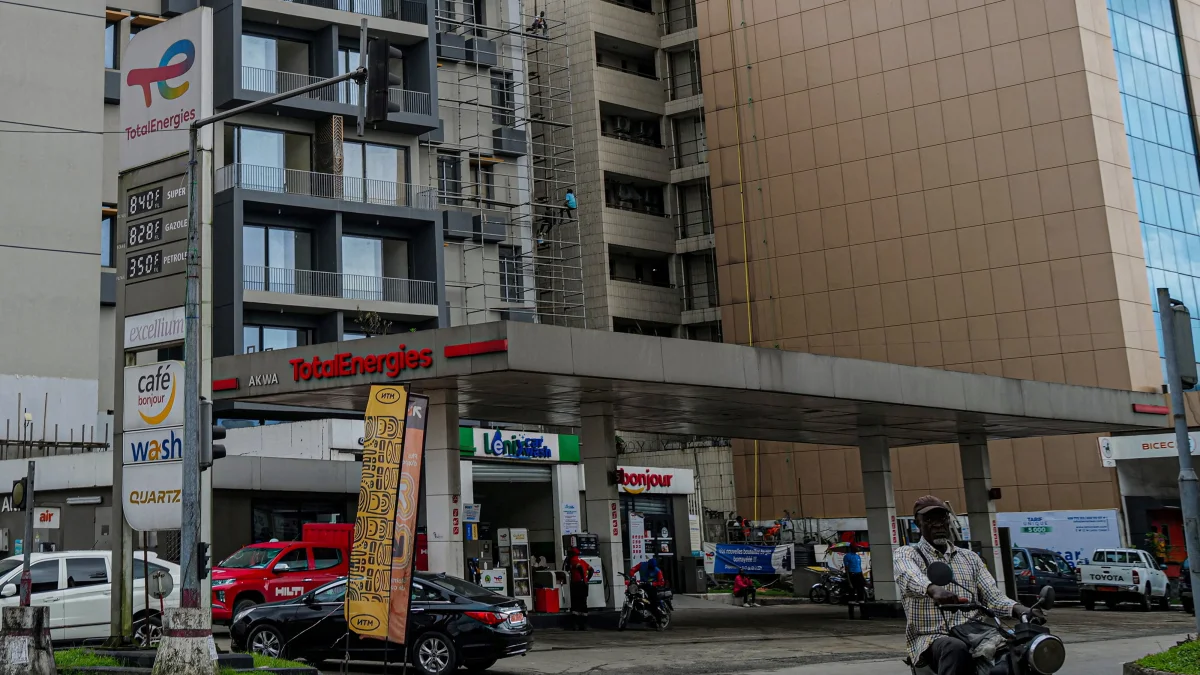
Simultaneously, Kyrgyzstan is facing its own challenges within the energy sector. A reduction in fuel supplies from Russia has triggered a rise in domestic gasoline and diesel prices. According to Kyrgyzstan's National Statistical Committee, as of August 12, retail prices for gasoline and diesel fuel have increased by 5 to 12 percent compared to July. The instability in supply, stemming from fuel shortages in the Russian market, has placed significant pressure on the import-dependent Kyrgyz economy.
Forecasts suggest that diesel fuel prices are expected to range between $1.48 and $1.60 per liter, while AI-92 gasoline is projected to sell for $1.25 to $1.37 per liter. In response to the current situation, the government in Bishkek is exploring new avenues to diversify its fuel supply. Kyrgyz officials are currently investigating additional import opportunities from China and Belarus to supplement supplies from Russia.
Energy analysts note that these recent developments in Kazakhstan and Kyrgyzstan underscore the vulnerability of Central Asian nations due to their heavy reliance on foreign energy infrastructure and external supply routes.