China and Türkiye have called for immediate dialogue and restraint following a surge in military tensions and clashes along the Afghanistan-Pakistan border.
The Operative Information Center-OMM reports, citing BBC News, that the international community is increasingly concerned over the escalating conflict which has resulted in numerous casualties on both sides. The Chinese Ministry of Foreign Affairs stated that Beijing is deeply troubled by the rising instability along the shared border of the two nations.
Mao Ning, the spokesperson for the Chinese Ministry of Foreign Affairs, emphasized that China urges both parties to resolve their differences and disputes through diplomatic negotiations. "China is working independently to resolve the conflict and remains ready to continue playing a constructive role in reducing tensions and improving bilateral relations. As a neighbor and friend, China is deeply concerned by the escalation and mourns the victims," she stated. The spokesperson added that any further escalation would lead to significant losses for both sides, noting that the cessation of hostilities serves the fundamental interests of both nations and contributes to regional peace.
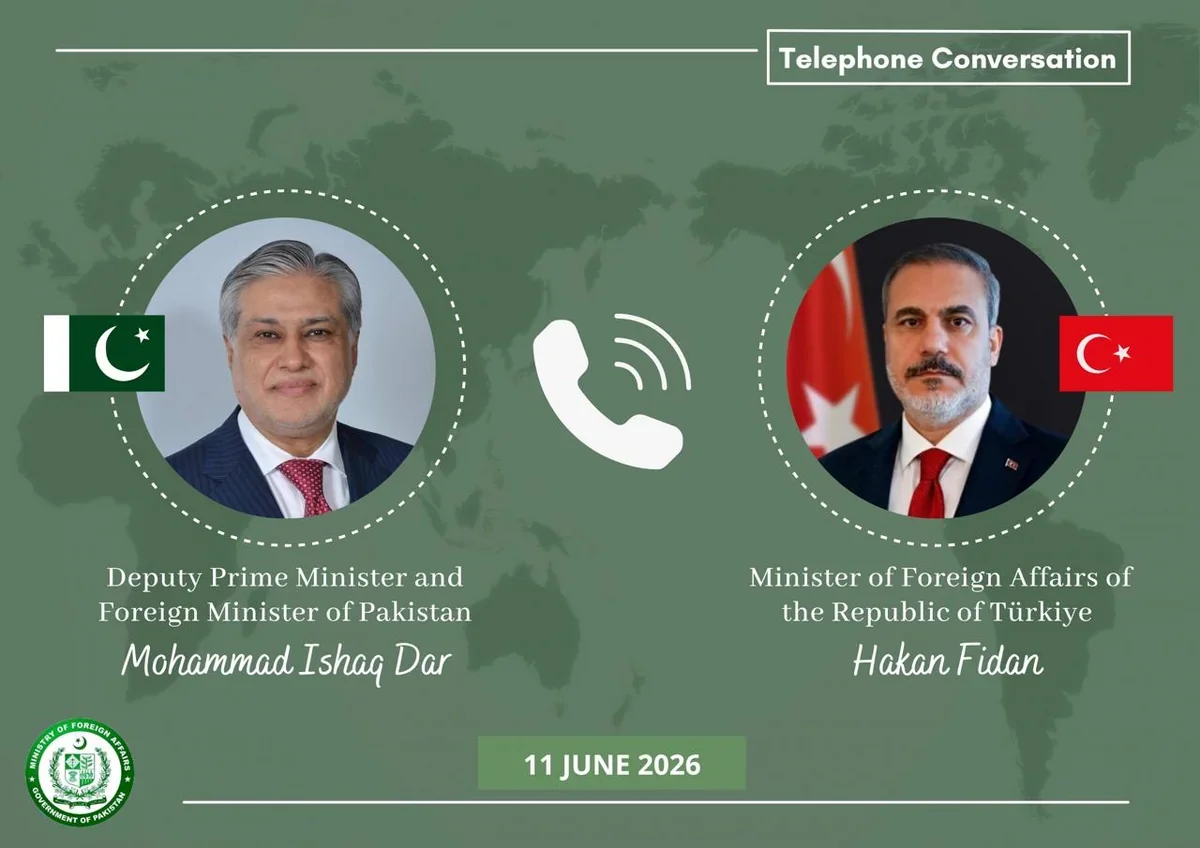
Türkiye has also reacted to the deteriorating security situation. Turkish Foreign Minister Hakan Fidan held a telephone conversation with Pakistan's Foreign Minister Muhammad Ishaq Dar to discuss the border developments. During the call, Dar informed his Turkish counterpart that Pakistani forces were responding to acts of aggression originating from the Afghan side. Ankara has consistently advocated for stability in the region, emphasizing that a peaceful resolution is vital for the broader security of Central and South Asia.
The border between Afghanistan and Pakistan, particularly the Durand Line, has long been a flashpoint for geopolitical friction. Tensions have intensified in recent years due to disputes over border fencing, counter-terrorism operations, and cross-border movements. This latest escalation comes at a sensitive time for regional security, as both nations grapple with internal economic challenges and the ongoing threat of militant activity. International mediators, including regional powers like China and Türkiye, view the stability of this corridor as essential for the success of trans-regional infrastructure projects and the prevention of a wider humanitarian crisis.