 OMM Newsroom

The European Commission is intensifying negotiations with Ukraine and Hungary to facilitate the resumption of Russian oil supplies via the Druzhba pipeline. The move comes as Brussels seeks to resolve transit disputes that have disrupted energy flows to Central Europe.
Operative Information Center-OMM reports, citing international media outlets, that the European Commission is closely monitoring the situation and maintaining active contact with both Kyiv and Budapest to ensure the technical and political hurdles for the pipeline's operation are cleared.
European Commission spokesperson Olof Gill, commenting on statements by Hungarian Prime Minister Viktor Orban regarding a potential restart of deliveries as early as Monday, noted that Hungary has linked the issue to broader financial commitments. Specifically, Budapest has indicated it will not approve the proposed 90 billion euro European financial aid package for Ukraine until the oil flow is fully restored. While Gill declined to confirm a specific date for the resumption of transit or address questions regarding potential EU payments for pipeline repairs in Ukraine, he emphasized the importance of member states fulfilling their obligations to Kyiv ahead of the informal EU summit scheduled for April 23-24.
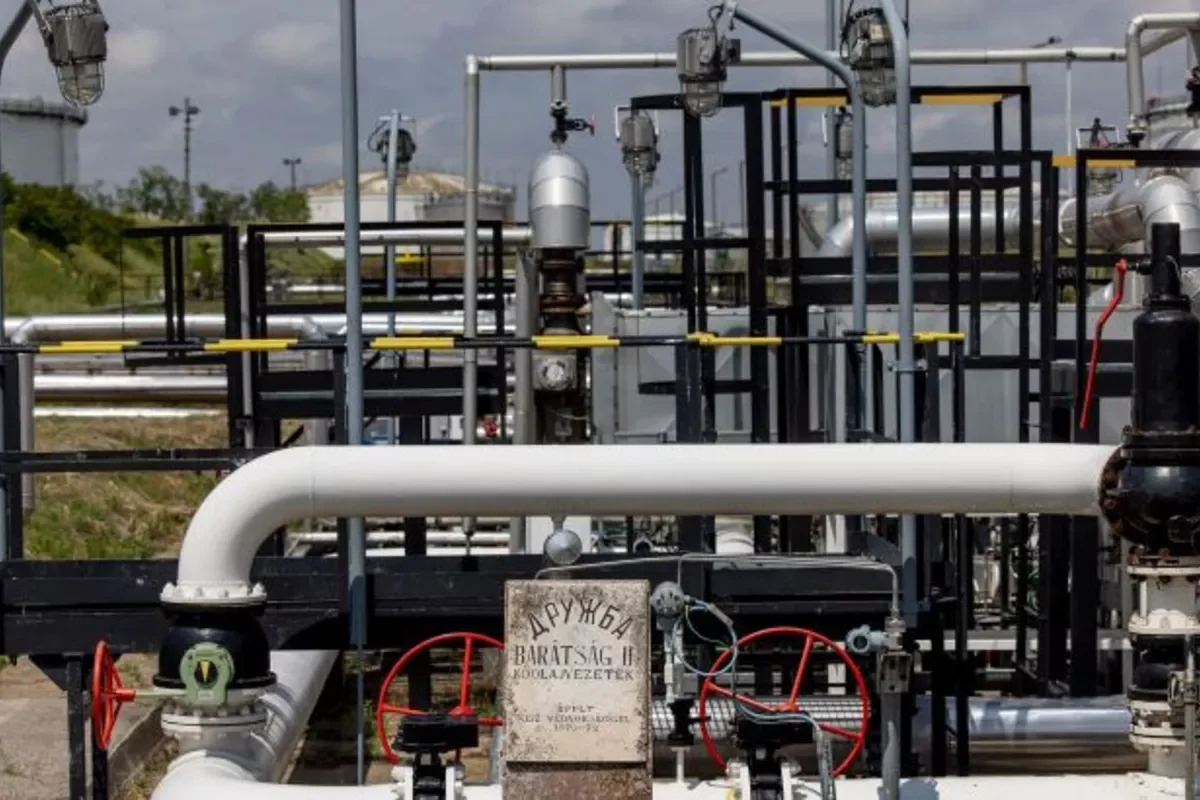
The Druzhba pipeline, which translates to "Friendship," is one of the largest crude oil pipeline networks in the world, historically serving as a vital energy artery for landlocked European nations such as Hungary, Slovakia, and the Czech Republic. The current negotiations underscore the ongoing challenges of balancing regional energy security with the geopolitical complexities of the conflict in Eastern Europe. For Azerbaijan, which plays an increasingly significant role in Europe's energy diversification, the stability of continental energy infrastructure remains a point of strategic interest as the European Union seeks to navigate supply disruptions.