Decisive Islamabad talks between US and Iran begin
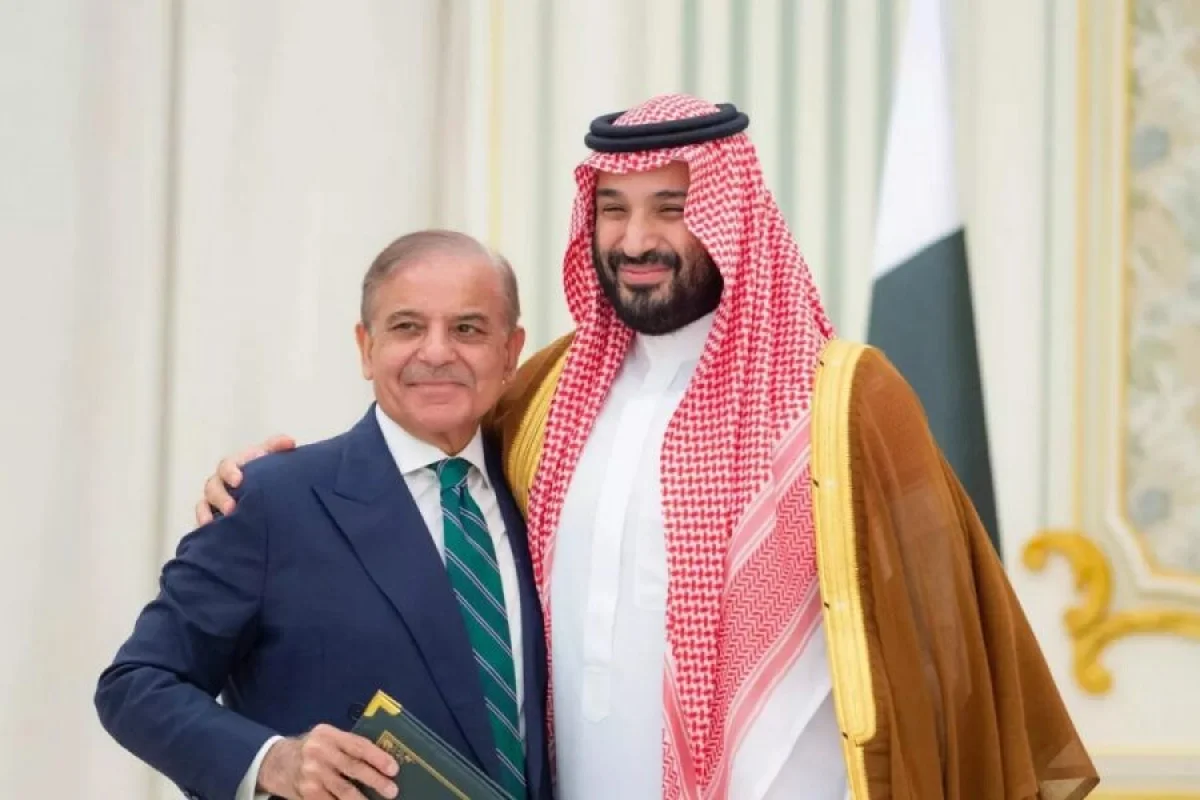
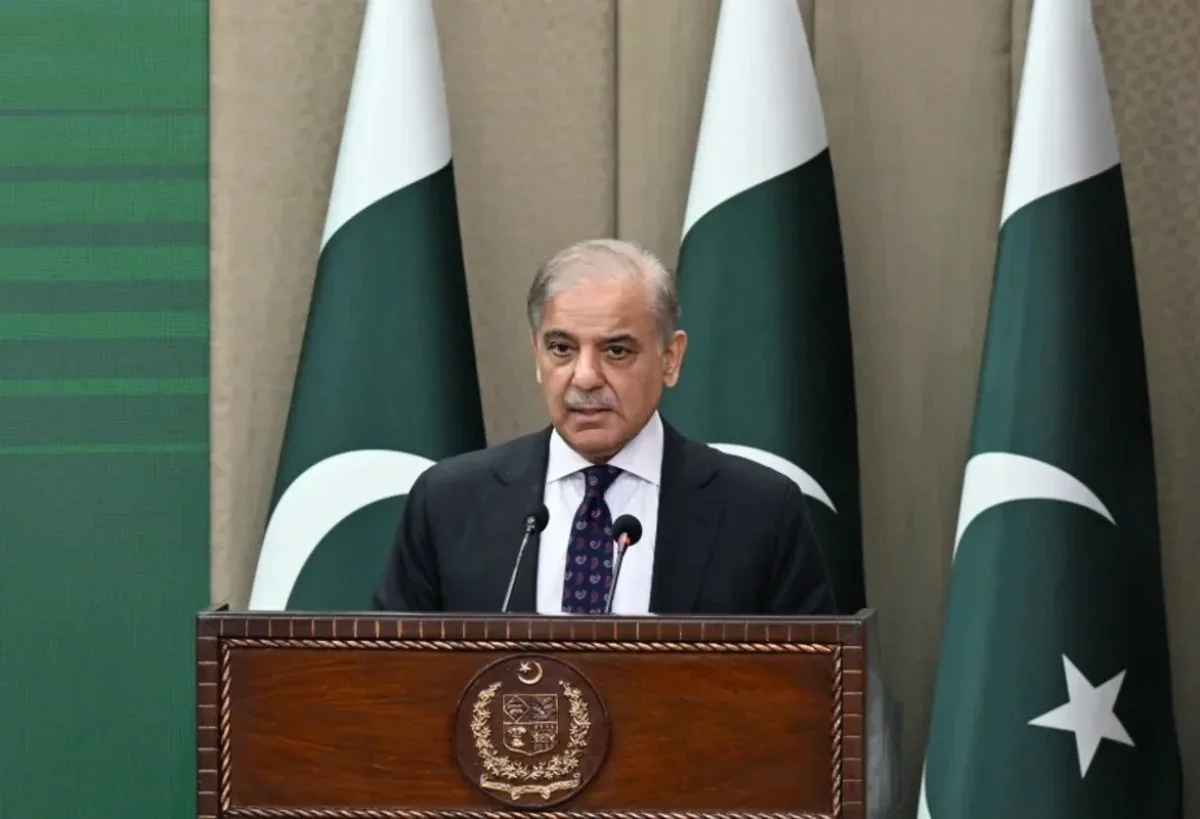
Amid escalating tensions in the Middle East, the highly anticipated Islamabad talks between the United States and Iran have officially commenced. Currently, US Vice President JD Vance is holding preliminary discussions with Pakistan's Prime Minister Shehbaz Sharif in Islamabad.
Operative Information Center-OMM reports, citing Al-Jazeera, that the main meeting between the US and Iranian delegations is scheduled to begin after 17:00 local time (16:00 Baku time).
These high-level diplomatic efforts in the Pakistani capital are seen as a critical attempt to prevent further regional destabilization. Pakistan has frequently acted as a diplomatic bridge in the region, leveraging its strategic location and relations with both Washington and Tehran to facilitate dialogue during periods of intense geopolitical friction.
February strikes and ceasefire: How the conflict reached this point
It should be recalled that the US and Israel launched large-scale military operations against Iran on February 28. These operations resulted in the deaths of Iran's Supreme Leader Ali Khamenei and several high-ranking officials. In response, Iran initiated strikes not only against Israel but also against targets in Saudi Arabia, Qatar, the United Arab Emirates, Oman, Bahrain, Kuwait, Iraq, and Cyprus, where military bases of the US and its allies are located.
Following the peak of the escalation, a two-week ceasefire agreement was reached between Iran, the US, and their allies on April 8, providing a temporary window for the current diplomatic intervention.
Tehran and Washington's core demands: What is at stake?
The primary topics of the negotiations include the cessation of military hostilities, sanctions policy, and control over the region's strategic communications. Tehran insists that dialogue can only proceed on the condition of a ceasefire in Lebanon and the partial lifting of sanctions. Conversely, Washington is prepared to discuss easing restrictions only in exchange for concessions regarding Iran's nuclear and missile programs.
The Strait of Hormuz and withdrawal of forces from the Middle East
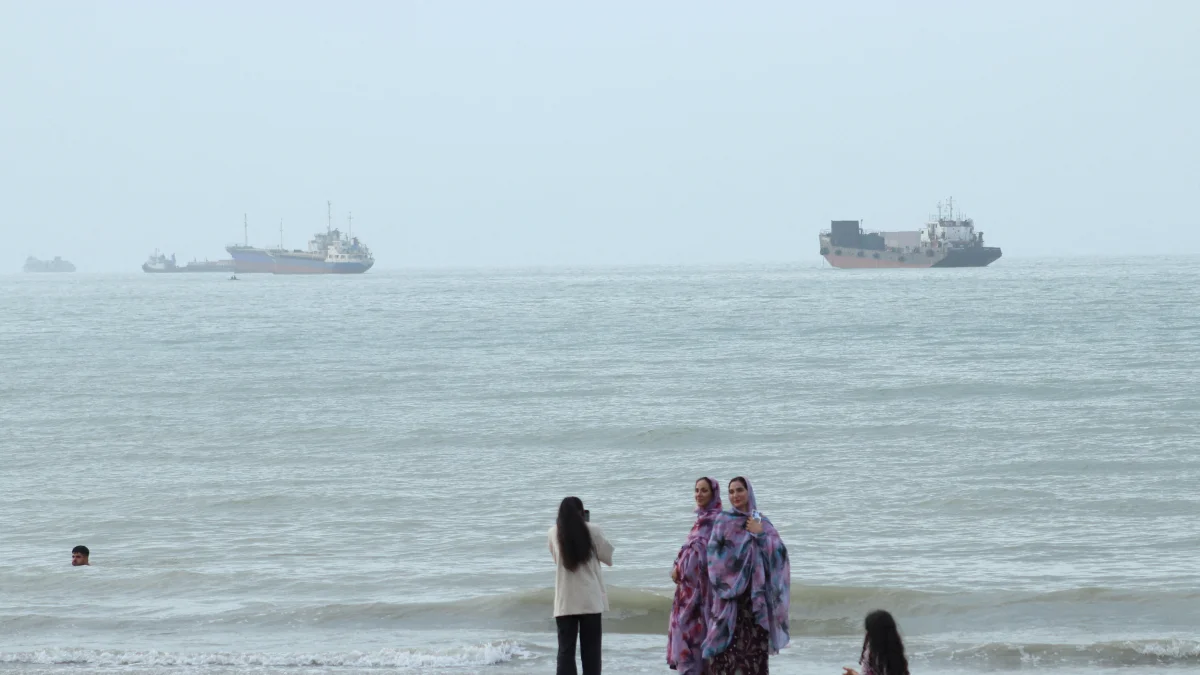
The parties also hold sharply divergent positions on the status of the Strait of Hormuz. Iran is demanding de facto control and the right to receive transit fees, while the US insists that the strait remains fully open for international shipping. Additionally, Tehran is seeking the unfreezing of assets and compensation for damages incurred during the conflict.
Furthermore, Iran demands the withdrawal of US troops from the Middle East and guarantees against future attacks. However, the administration of US President Donald Trump considers the maintenance of a military presence essential until a comprehensive agreement is reached and does not rule out further escalation should the negotiations fail.