The head of U.S. Central Command (CENTCOM) has disclosed the scale of forces involved in ongoing military operations against Iran.
Operative Information Center-OMM reports that Vice Admiral Brad Cooper, Deputy Commander of CENTCOM, stated in a video address on March 3 that more than 50,000 troops, 200 fighter jets, two aircraft carriers, and strategic bombers have participated in the military campaign against Iran.
According to Cooper's statement, "we have already struck approximately 2,000 targets with more than 2,000 munitions. We have dealt a serious blow to Iran's air defense systems and destroyed hundreds of Iranian ballistic missiles, launchers, and drones."
The Admiral added that American B-2 Spirit and B-1 Lancer strategic bombers carried out precision strikes on numerous Iranian nuclear facilities, while B-52 bombers targeted command and control centers associated with the ballistic missile program.
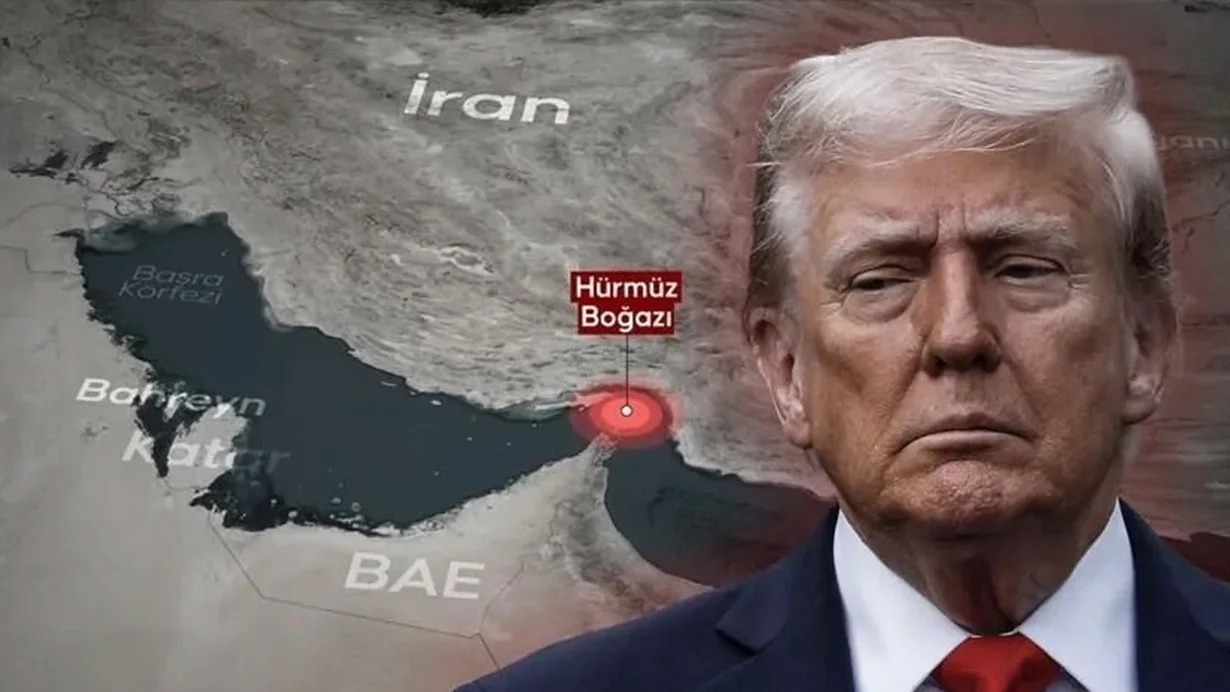
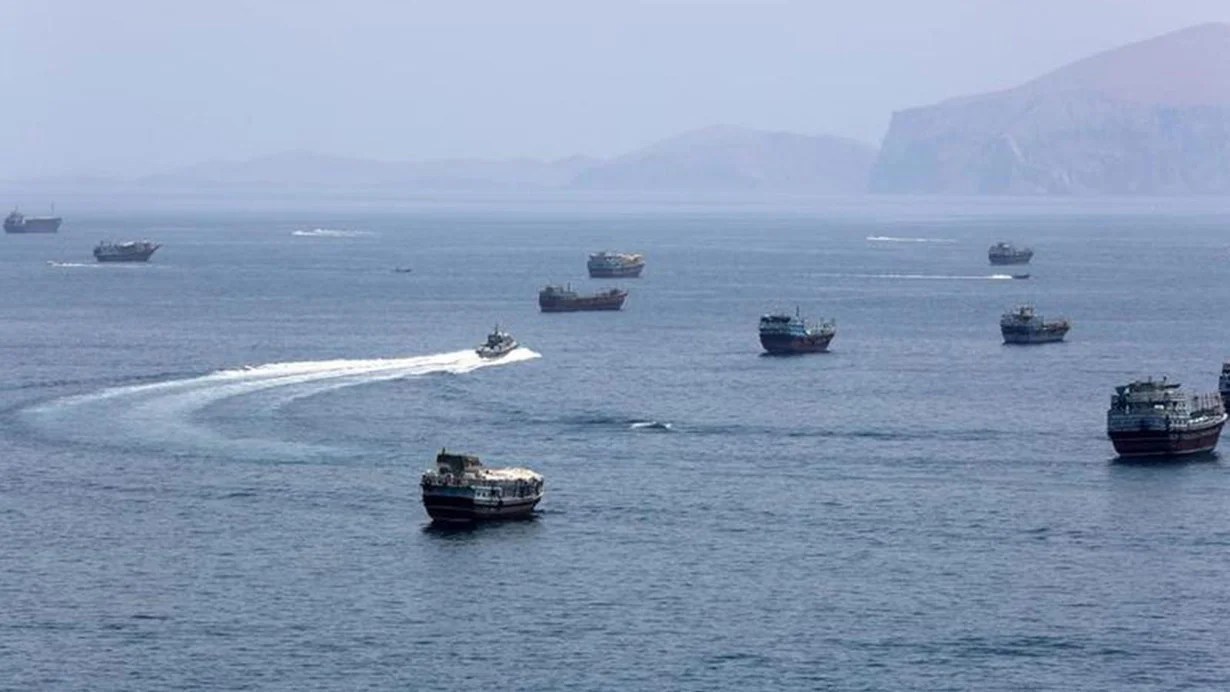
Cooper also reported that U.S. forces have destroyed 17 Iranian vessels and damaged an Iranian submarine. "As of today, there are no Iranian ships in the Persian Gulf, the Strait of Hormuz, or the Gulf of Oman, and we will not stop. We will continue to conduct dynamic targeting operations," he noted. According to the commander, Iran launched over 500 ballistic missiles and 2,000 drones in response to U.S. and Israeli strikes.
"We see that Iran's ability to strike us and our partners has diminished, while our combat capabilities have increased. My general operational assessment is that we are ahead of schedule in our program," Admiral Cooper concluded.
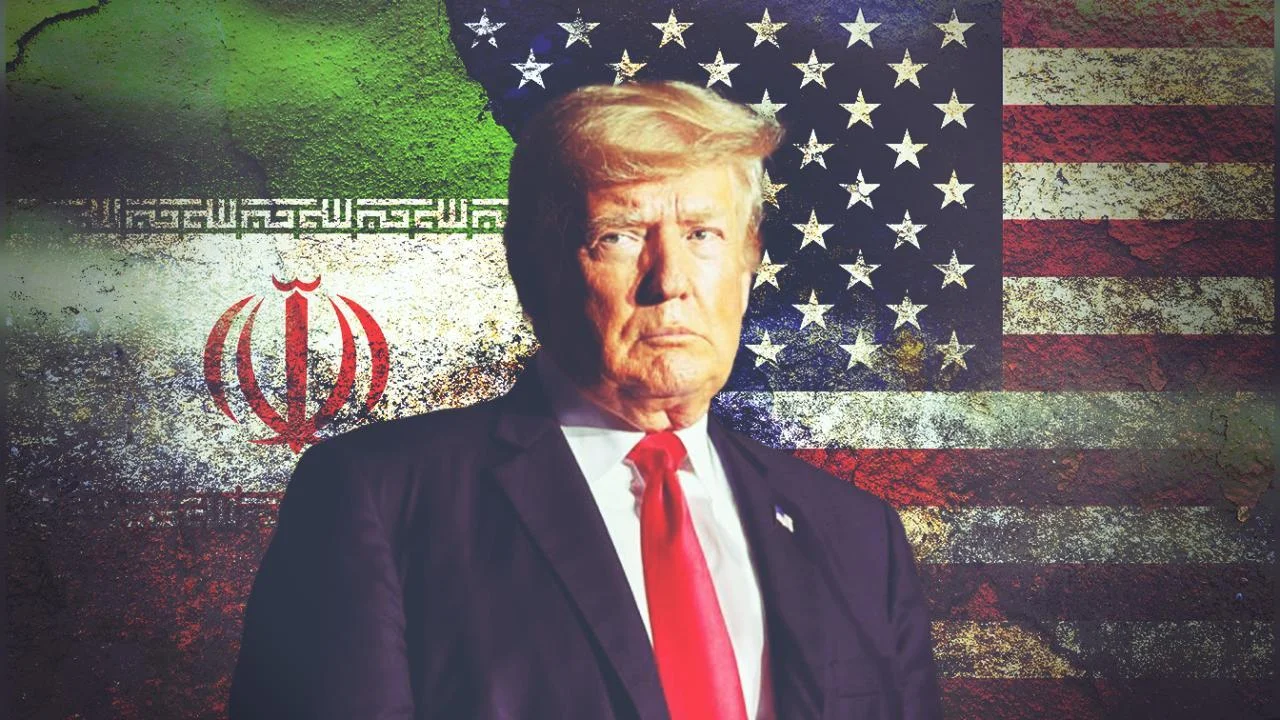
These developments come during a period of unprecedented regional volatility. The Persian Gulf remains one of the world's most critical maritime chokepoints, essential for global energy security. Under the administration of US President Donald Trump, the United States has maintained a policy of maximum pressure and rapid response to ensure the stability of international shipping lanes and to prevent the proliferation of nuclear capabilities in the region. These operations underscore the strategic priority of maintaining a free and open Indo-Pacific and Middle East corridor.