 Afət Ziyadqızı

The United Nations has issued an urgent call for the immediate de-escalation of tensions in Lebanon as the humanitarian situation continues to deteriorate.
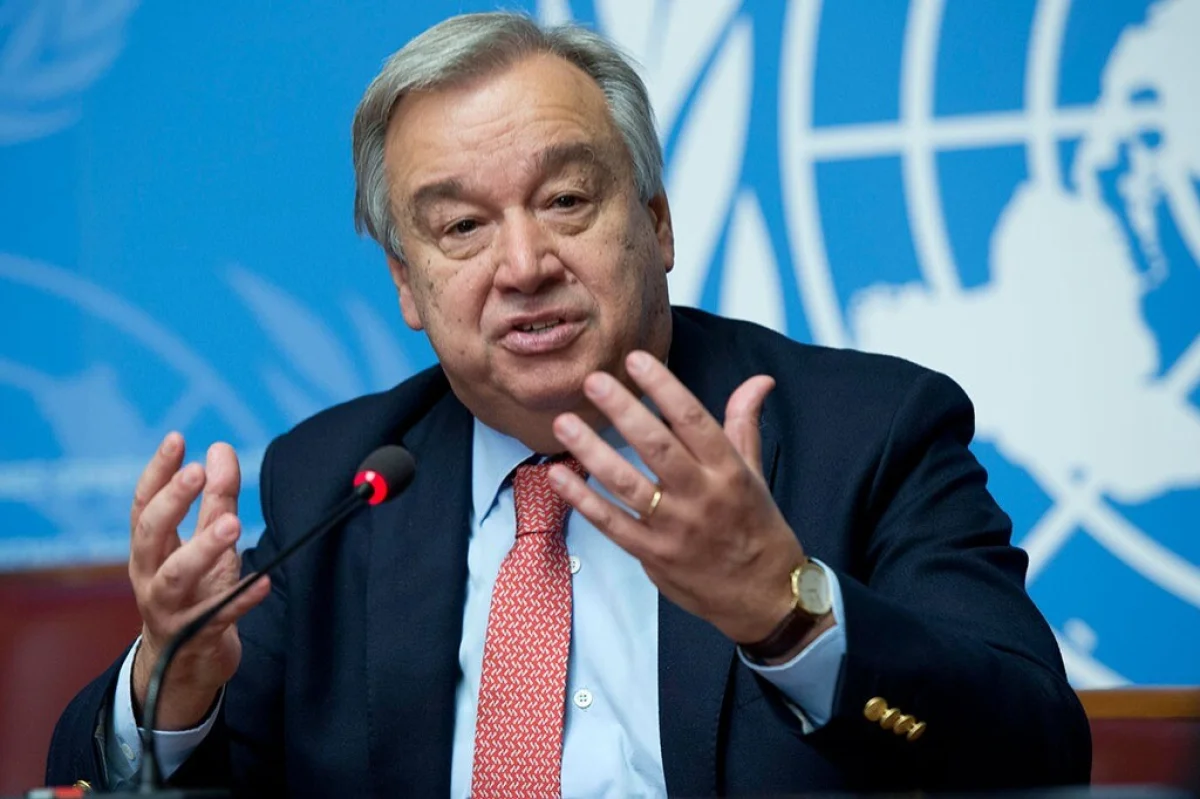
The Operative Information Center-OMM reports that UN spokesperson Stephane Dujarric highlighted the gravity of the situation during a press briefing in New York. He emphasized that the ongoing conflict and displacement orders issued by Israel have impacted hundreds of thousands of civilians across the region.
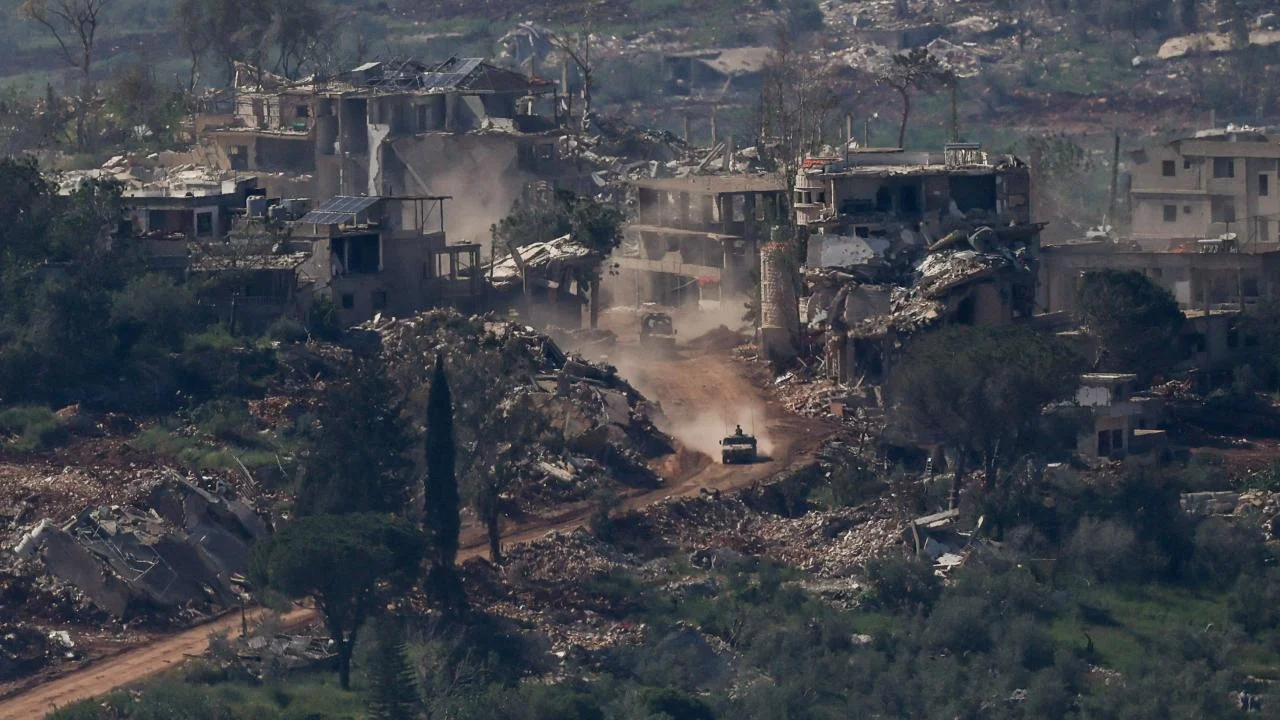
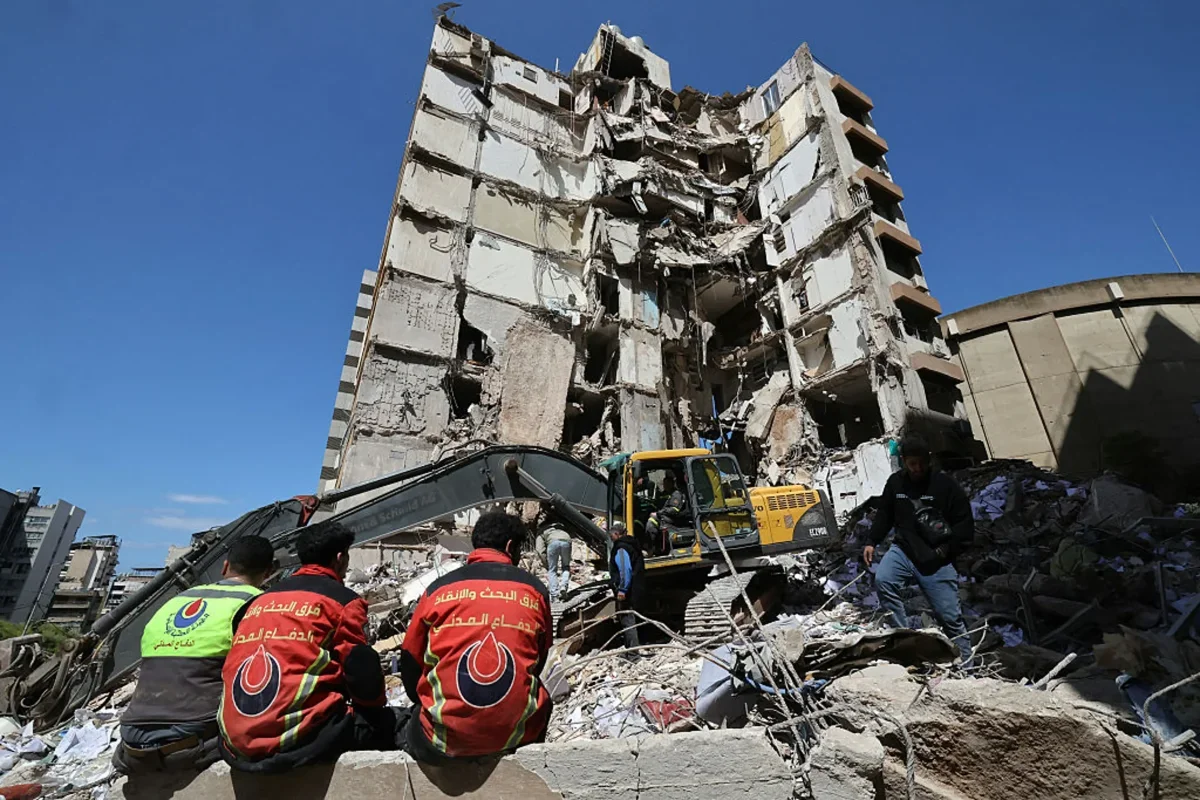
According to Dujarric, almost the entire population of areas south of the Litani River, the Baalbek Governorate, parts of the Bekaa Valley, and the southern suburbs of Beirut are currently situated within active combat zones. The UN official noted that more than 660,000 people have been registered as internally displaced within the last week alone. Medical facilities in these areas are operating under extreme pressure, leaving many displaced persons with chronic illnesses unable to access essential treatment.
The spokesperson further detailed ongoing attacks on medical infrastructure, citing a specific incident where an Israeli strike on a Red Cross ambulance resulted in injuries to medical personnel and damage to the vehicle. According to World Health Organization partners, 23 attacks on healthcare facilities have been recorded since March 2, resulting in 14 deaths and 26 injuries. In response, the UN and its partners are scaling up humanitarian aid, distributing hundreds of thousands of hot meals, mattresses, and blankets to displaced families.
The current escalation in Lebanon is part of a broader regional instability that has seen a significant increase in cross-border hostilities. The United Nations Interim Force in Lebanon (UNIFIL) continues to monitor the Blue Line, the demarcation line between Lebanon and Israel, amid calls from the international community for a return to the cessation of hostilities under UN Security Council Resolution 1701. According to Lebanese government data, approximately 760,000 people have been registered as displaced since the onset of the conflict, highlighting the massive scale of the internal migration crisis in the country.