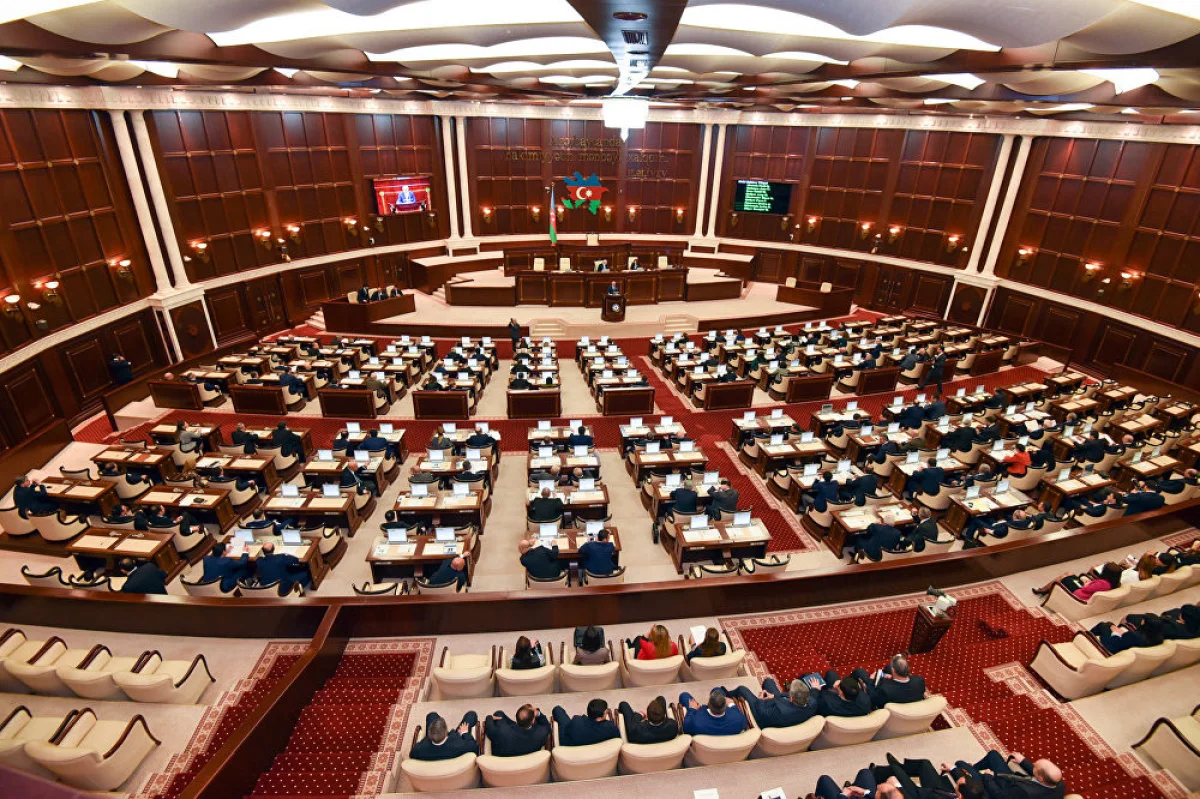
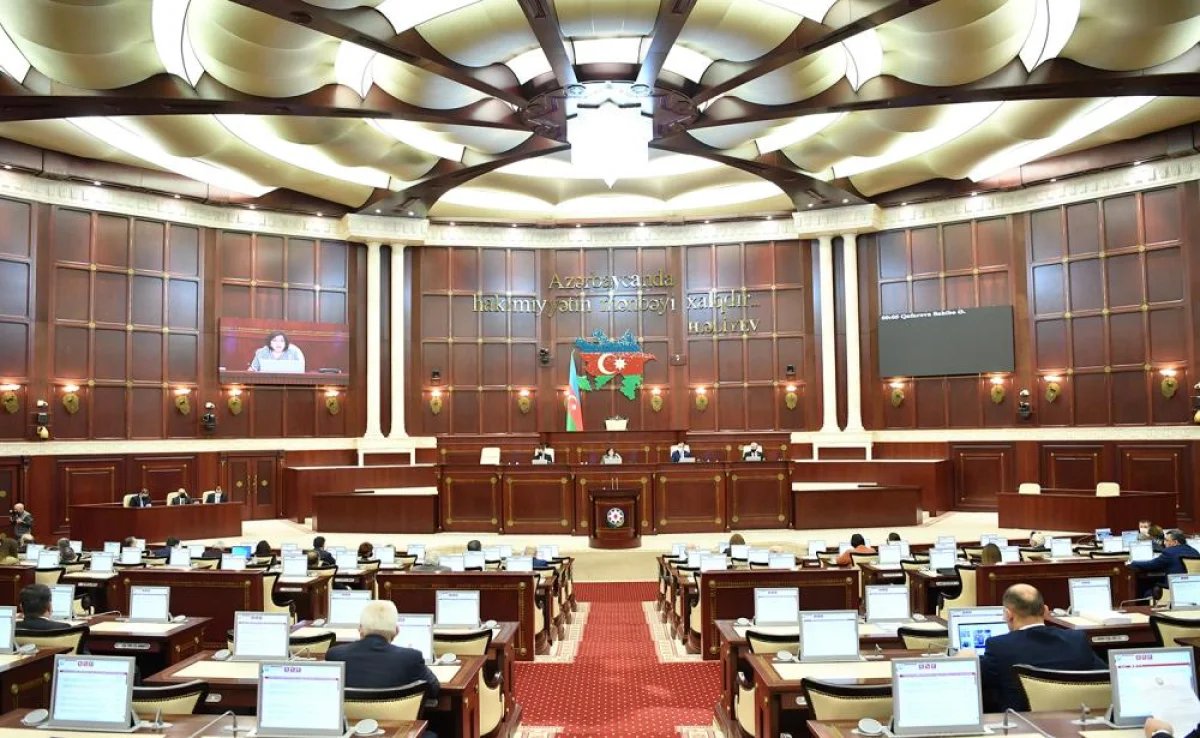
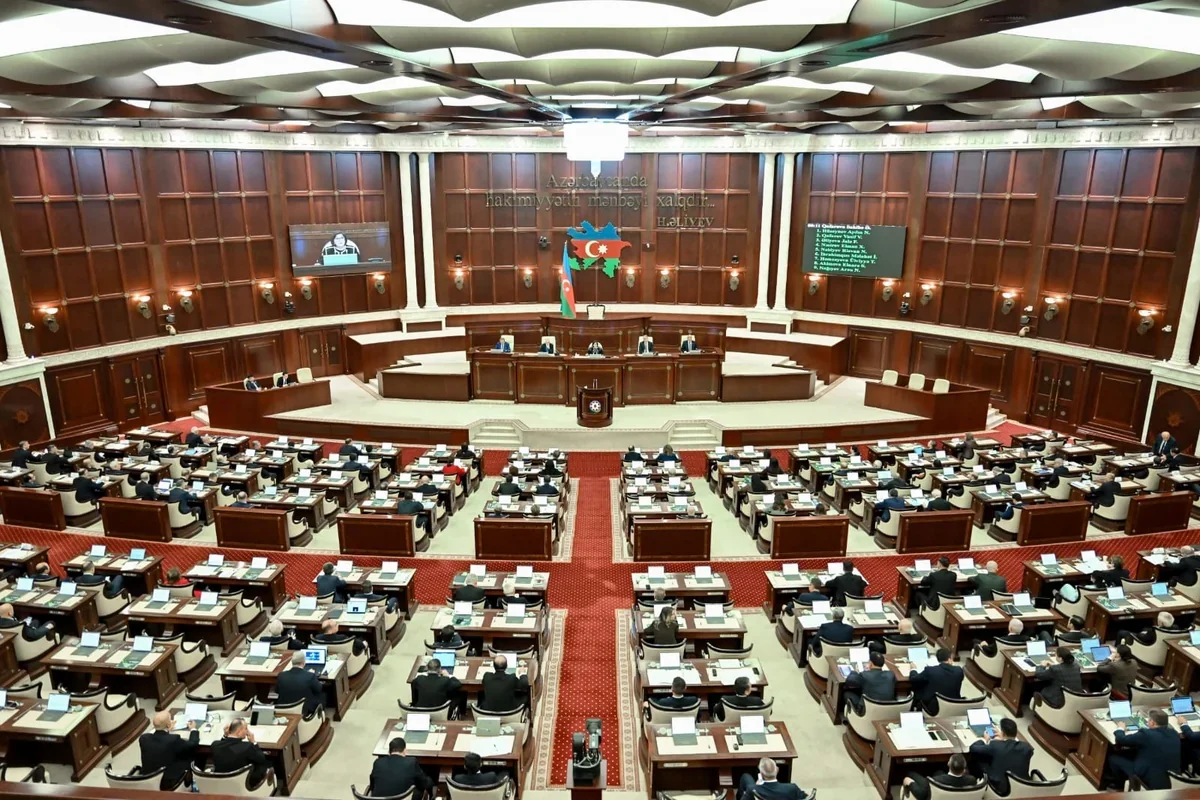
State policy on fisheries in Azerbaijan will be guided by 12 core principles, according to a new draft law titled "On Fisheries" discussed today at a meeting of the Agrarian Policy Committee of the Milli Majlis (National Assembly).
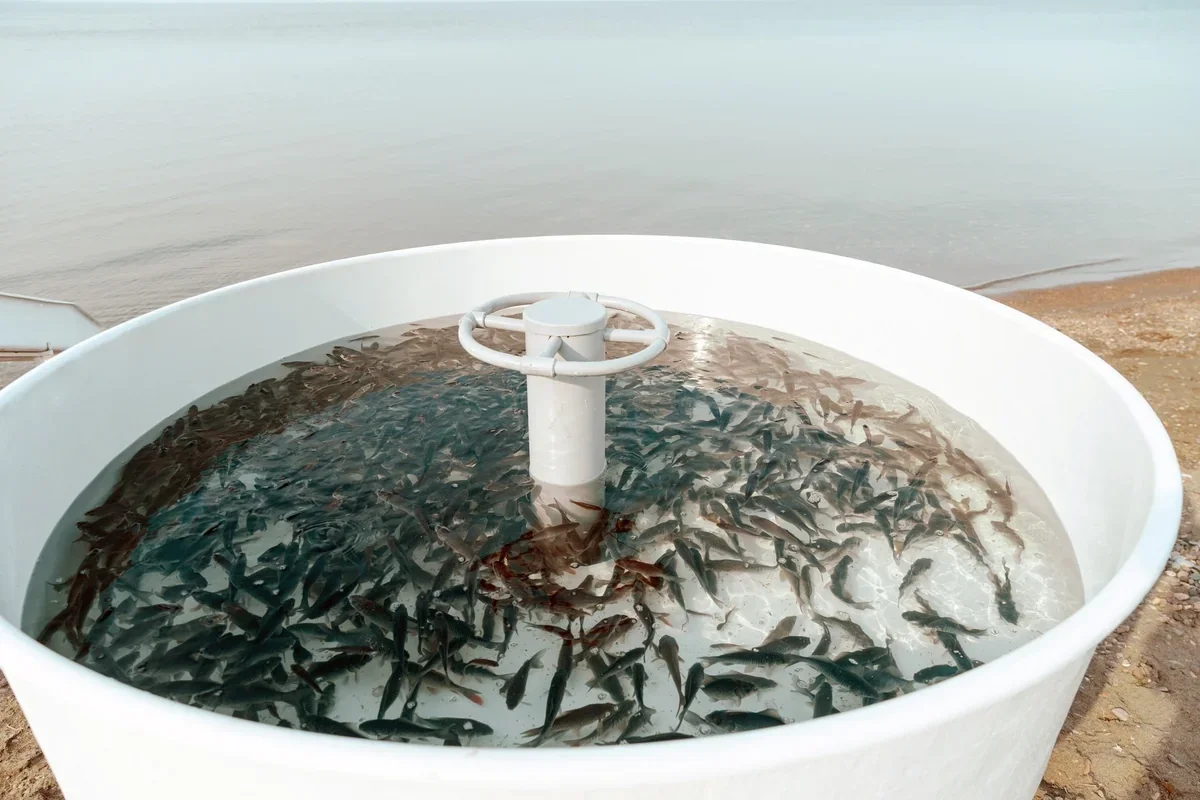
According to the Operative Information Center-OMM, the draft legislation, jointly prepared by the Ministry of Economy and the Ministry of Ecology and Natural Resources, aims to modernize the sector through sustainable practices and innovative technologies.
The 12 principles outlined in the draft law include:
- Promoting sustainable production methods and innovative technologies to increase productivity and ensure food security;
- Stimulating local production to meet domestic market demand and boost export potential;
- Developing a skilled workforce through support for scientific research and training programs;
- Ensuring a scientifically grounded balance of ecological, economic, and social interests for the sustainable development of aquaculture;
- Preventing the depletion of fish and other aquatic bioresource stocks;
- Establishing paid fishing, with specific exceptions defined by law;
- Considering ecological, social, and economic factors when setting fishing quotas;
- Implementing special protection regimes for valuable fish species, including the suspension or prohibition of fishing;
- Digitalizing management in the fisheries and aquaculture sectors;
- Ensuring the protection of the natural behavior of aquatic bioresources, minimizing pain and stress during handling and transport;
- Joint management of fish and aquatic bioresource stocks in transboundary water bodies;
- Fulfilling obligations within the framework of cooperation with regional and international organizations.
Furthermore, the draft law defines 13 specific state responsibilities, ranging from the development of national strategies and action plans to the implementation of state control, anti-poaching measures, and the protection of species listed in the Red Book of Azerbaijan. The legislation also emphasizes the importance of international cooperation and public awareness campaigns to ensure the long-term viability of the country's aquatic resources.