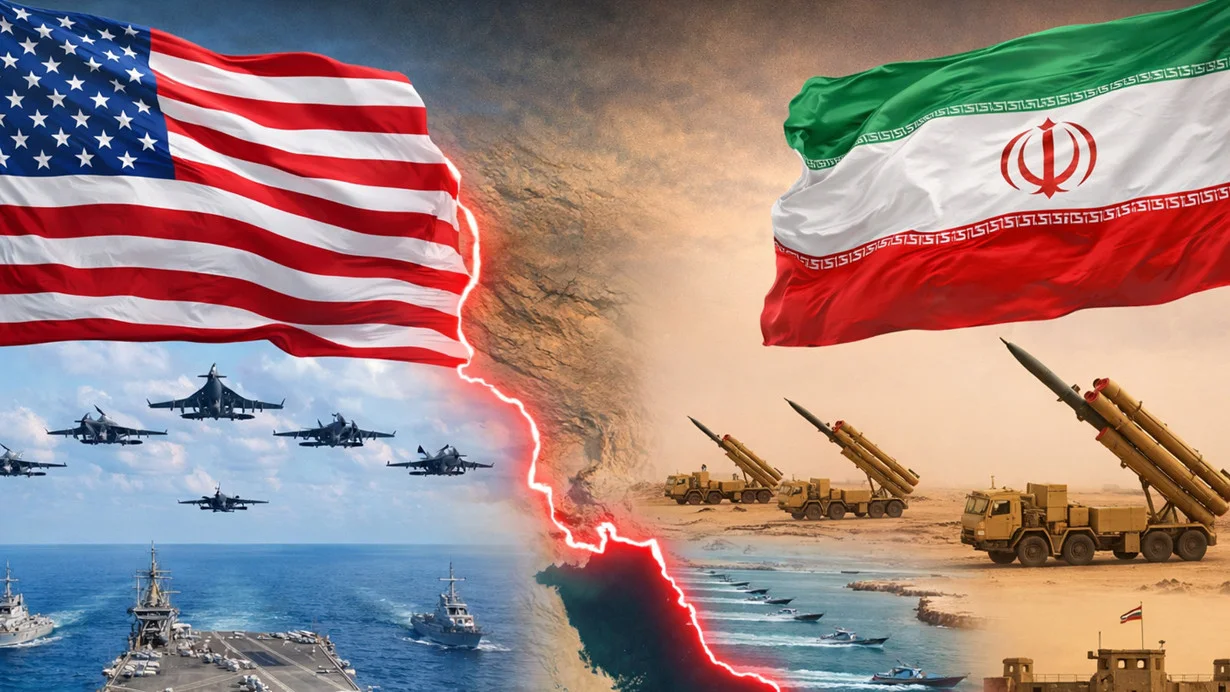
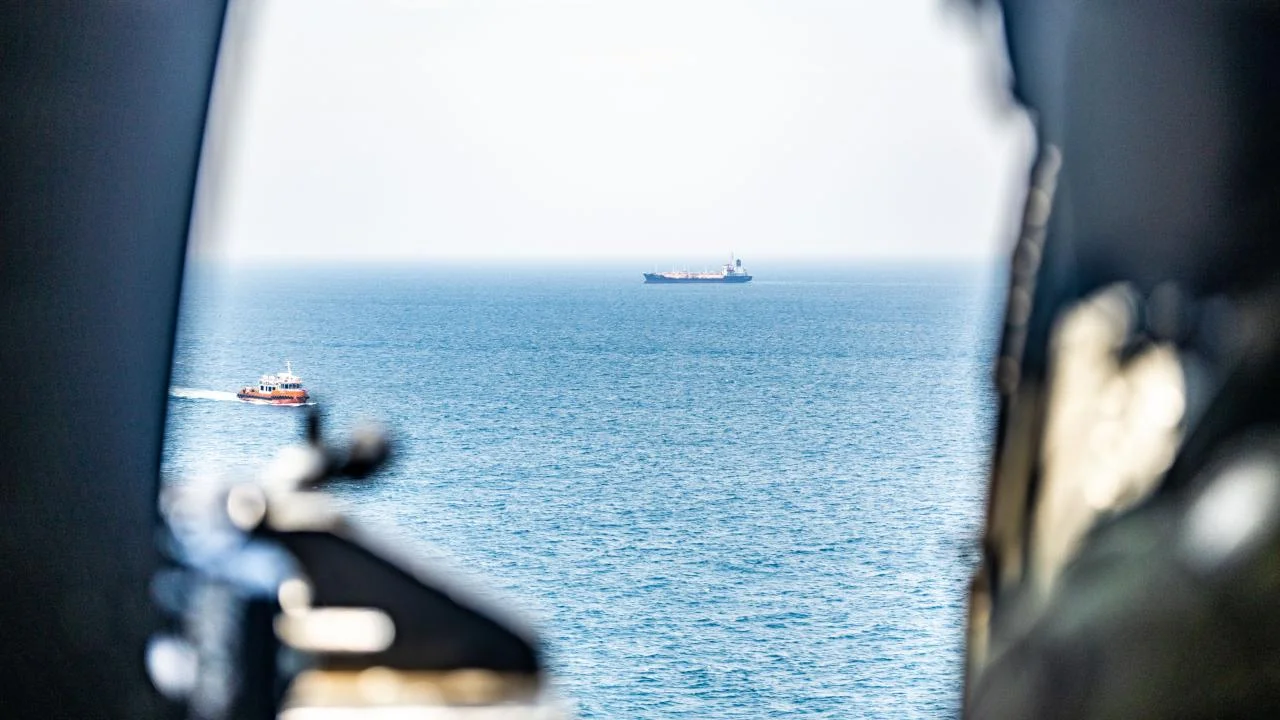
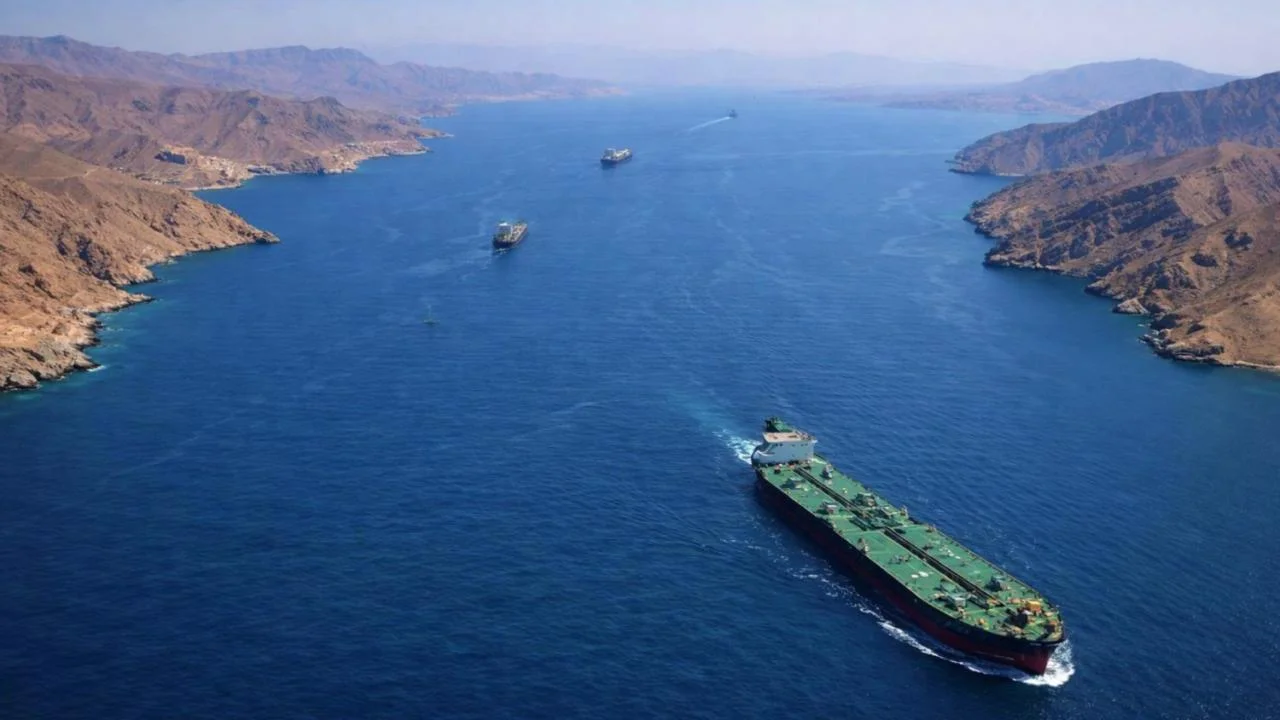
The United States military has intercepted and turned back 31 vessels attempting to access or depart from Iranian ports as part of an ongoing maritime blockade.
According to the Operative Information Center-OMM, the United States Central Command (CENTCOM) released data confirming that since the start of the naval blockade, US forces have ordered 31 ships to reverse course or return to port. This measure is part of a broader strategy to monitor and restrict maritime traffic involving the Islamic Republic.
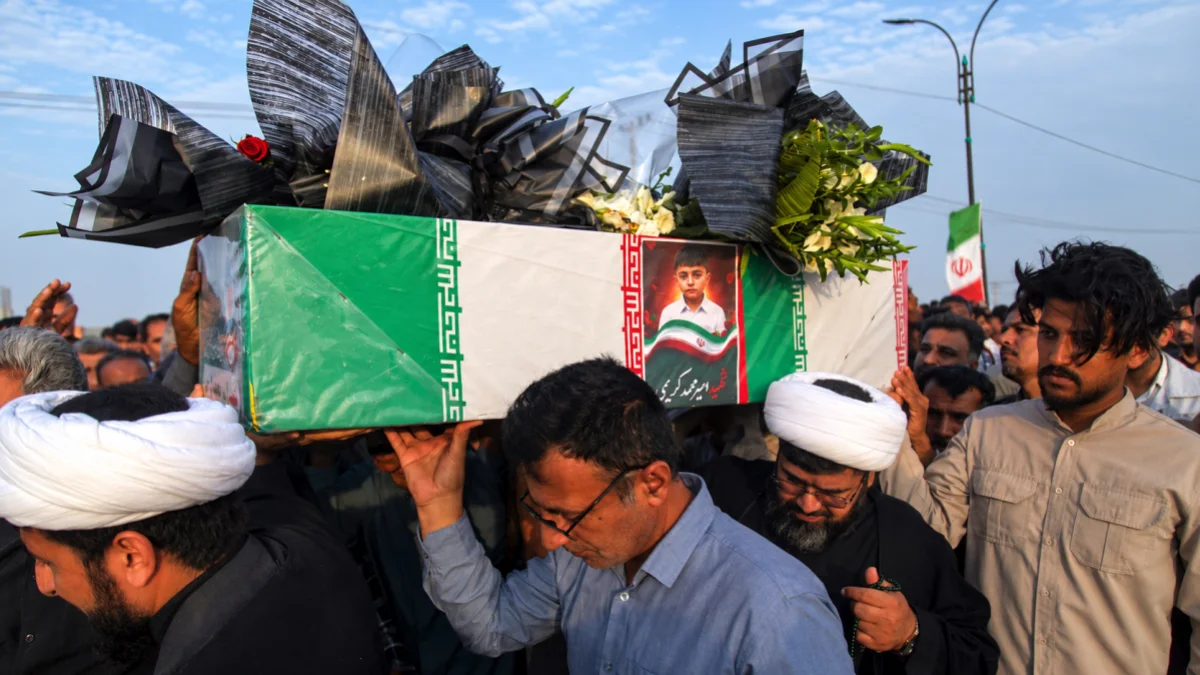
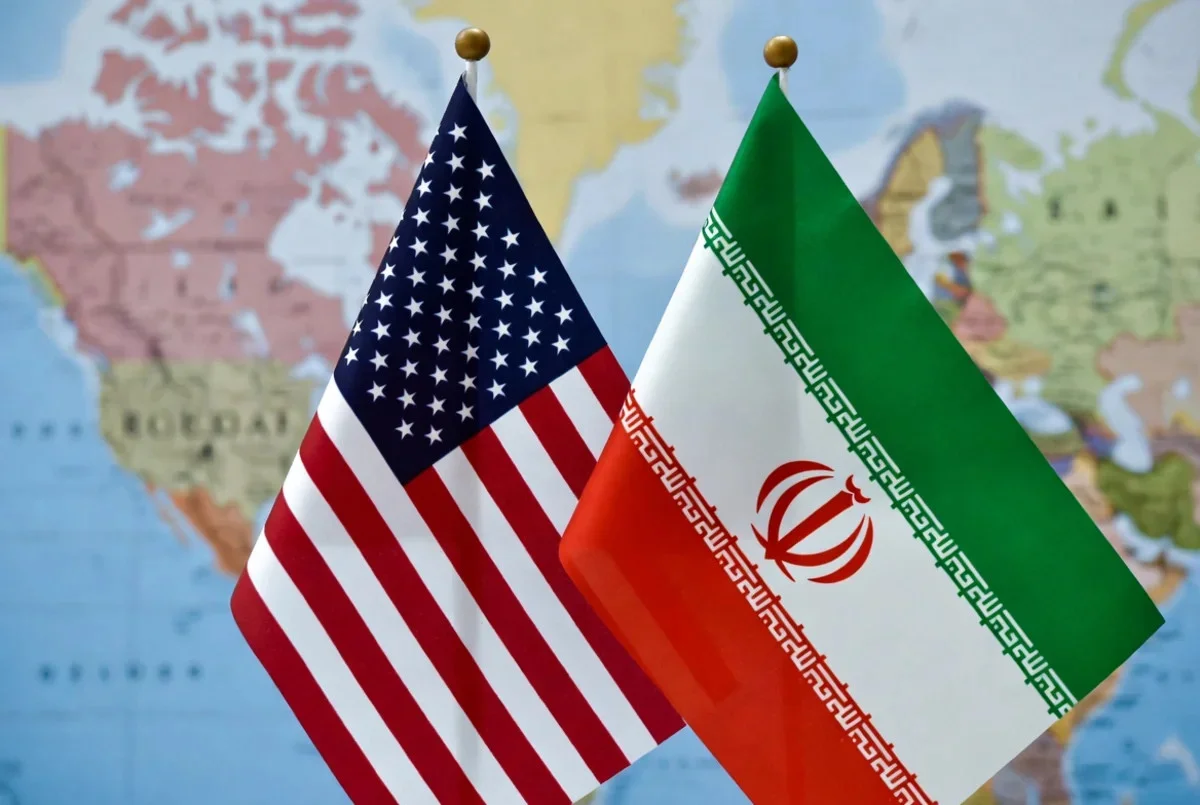
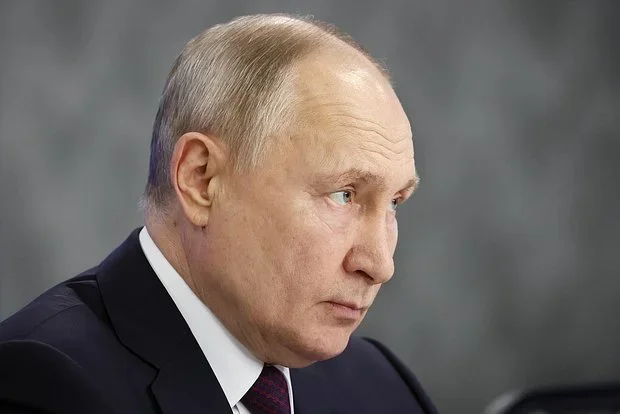
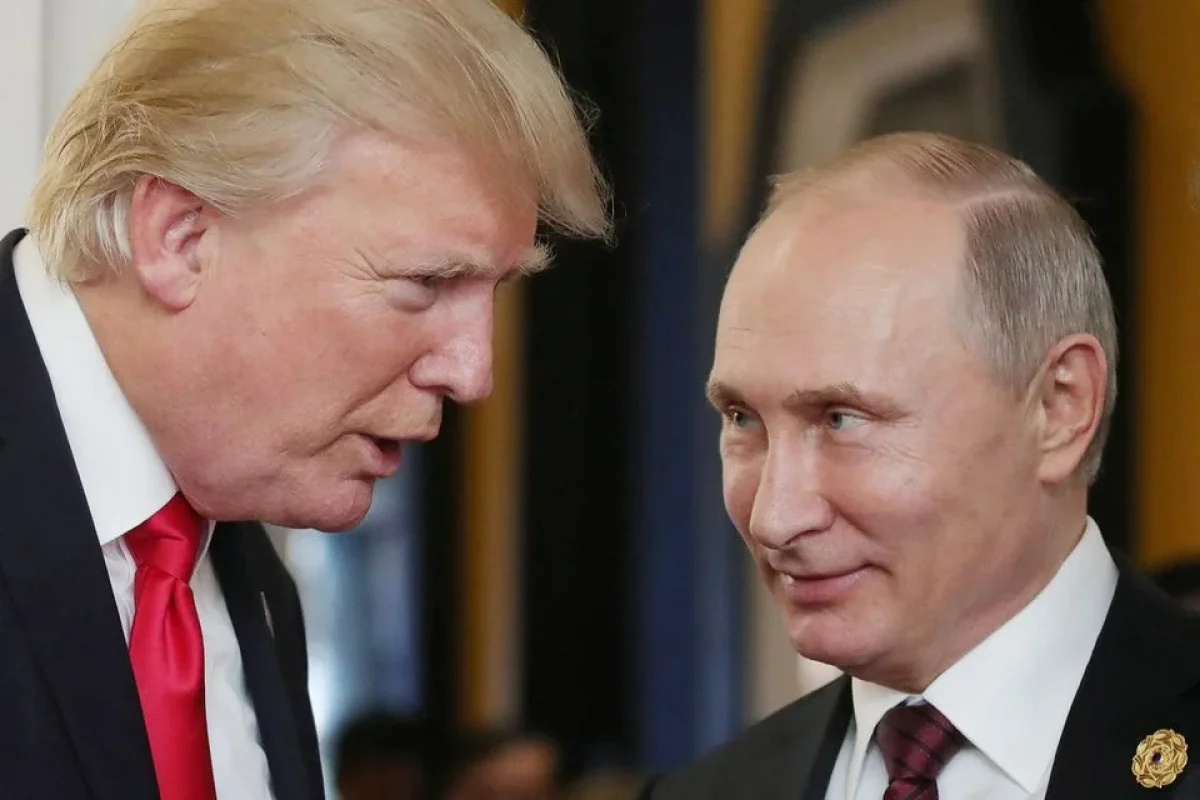
The current military escalation between the US, Israel, and Iran began on February 28. On April 7, US President Donald Trump announced a two-week mutual ceasefire with Tehran. Despite this, Iranian sources claim that 3,375 Iranians have been killed during the 40 days of military operations. While high-level negotiations were held in Islamabad on April 11, the parties failed to reach a long-term agreement due to persistent diplomatic differences. On April 21, US President Donald Trump expressed his intention to extend the ceasefire, though Iranian state television reported that Tehran does not recognize unilateral truces and will act in accordance with its own interests.
The situation remains fluid as diplomatic efforts continue in neutral territories. Amir Saeid Iravani, Iran's Permanent Representative to the UN, stated on April 22 that Tehran remains open to resuming negotiations in Pakistan, provided that the United States lifts the naval blockade. The blockade represents a significant component of regional security operations, aimed at controlling strategic shipping lanes in the Persian Gulf and surrounding waters, a region vital to global energy supplies and international trade stability.