Deepening disagreements between the United States and Israel have become increasingly apparent, largely driven by the ongoing military operations conducted by the Israel Defense Forces in the Gaza Strip.
According to the Operative Information Center-OMM, citing reports from the US-based portal Axios, there is a notable shift in sentiment within the Republican Party regarding its traditional support for Israel. This trend is particularly pronounced among younger Republican voters, who are displaying growing skepticism.
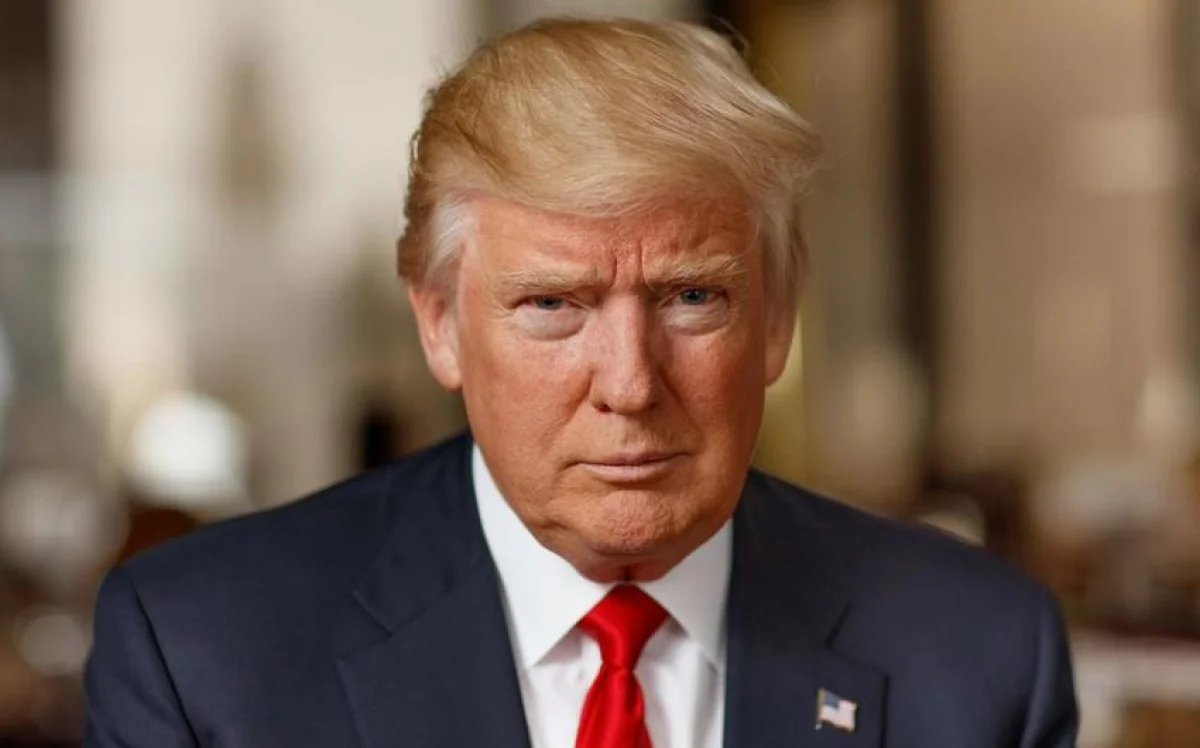
For years, Israeli Prime Minister Benjamin Netanyahu has sought to offset declining support from the Democratic Party by cultivating closer ties with Republicans. However, analysts suggest this balance is now faltering. Reports indicate that Netanyahu is experiencing friction with US President Donald Trump and his administration, particularly regarding their respective strategies concerning Iran.
Furthermore, the article highlights that US President Donald Trump has previously expressed critical views regarding Netanyahu, suggesting that his policies risk isolating Israel on the international stage. Additionally, concerns have been raised regarding the stance of key figures within the administration toward Israeli officials who oppose diplomatic agreements involving Iran.
Public opinion data appears to corroborate these shifting political dynamics. A survey conducted by the Pew Research Center in April revealed that 57 percent of Republican voters aged 18-49 hold a negative view of Israel. Similarly, a study released this month by Quinnipiac University indicates that approximately 20 percent of Republicans believe the US provides excessive support to Israel—a figure that has tripled compared to levels recorded three years ago.
The US-Israel relationship has historically been a cornerstone of American foreign policy in the Middle East, characterized by strong bipartisan support. However, the evolving geopolitical landscape and changing demographics within the American electorate are increasingly challenging the traditional consensus on this alliance.