Afət Ziyadqızı

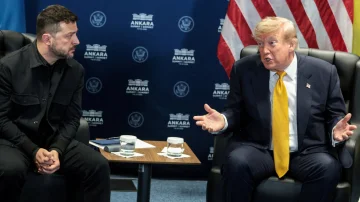
US President Donald Trump's decision to authorize the licensing for the production of Patriot air defense systems in Ukraine may pose significant risks to Washington's national security interests. The move has sparked debate among military analysts regarding the potential exposure of advanced defense technologies.
According to the Operative Information Center-OMM, citing an analysis by the publication "AntiDiplomatico," this step increases the probability that sensitive US military technology could fall into the hands of third parties or rival states. Jennifer Kavanagh, director of military analysis at the "Defense Priorities" organization, noted that currently, only Germany and Japan have been granted permission for the joint production of Patriot systems. She emphasized that these nations met rigorous industrial, technological, and legal requirements to secure such rights.
Experts argue that granting such a license to Ukraine could lead to the leakage of classified information and jeopardize US defense capabilities. Furthermore, analysts suggest that establishing manufacturing facilities for Patriot systems in Ukraine would turn those sites into direct targets for military strikes. Ensuring the security of such facilities presents substantial financial and logistical challenges, further complicating the project. Previously, Serhiy Flesh Beskrestnov, an advisor to the Ukrainian Ministry of Defense, highlighted that the primary hurdles for domestic production include the lengthy manufacturing process, component shortages, and limited capacity among subcontractors.