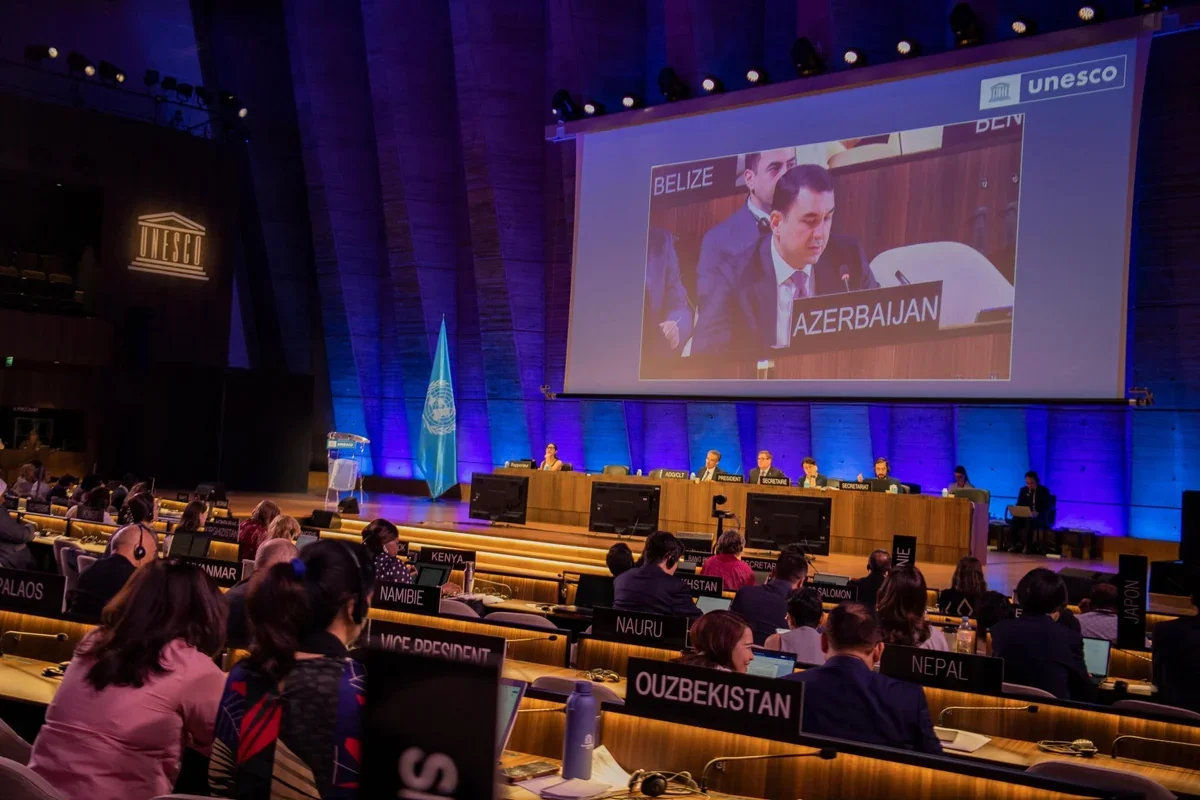
The UNESCO World Heritage Committee, during its session in Busan, South Korea, has simultaneously inscribed six cultural sites onto both the World Heritage List and the List of World Heritage in Danger. This decision was announced following reports from international media outlets, including Al Jazeera, as cited by the Operative Information Center-OMM.
According to the committee, the decision was reached through an emergency procedure due to the imminent threat of destruction facing these monuments, which are located within active conflict zones. The designation aims to mobilize international support and resources for the preservation of these irreplaceable cultural assets.
Among the sites added to the list is the Sebastia archaeological complex, located near the city of Nablus in the West Bank. This site encompasses structures dating from the Iron Age through the Islamic period. Palestinian authorities have sought international protection for the site amid concerns regarding plans to expropriate adjacent lands for the establishment of a national park.
Additionally, the list includes five fortresses in southern Lebanon, situated in the Mount Amel region, notably the medieval Beaufort Castle. The inclusion of these sites highlights the ongoing challenges in safeguarding cultural heritage during periods of regional instability. UNESCO's List of World Heritage in Danger is designed to inform the international community of conditions which threaten the very characteristics for which a property was inscribed on the World Heritage List and to encourage corrective action.