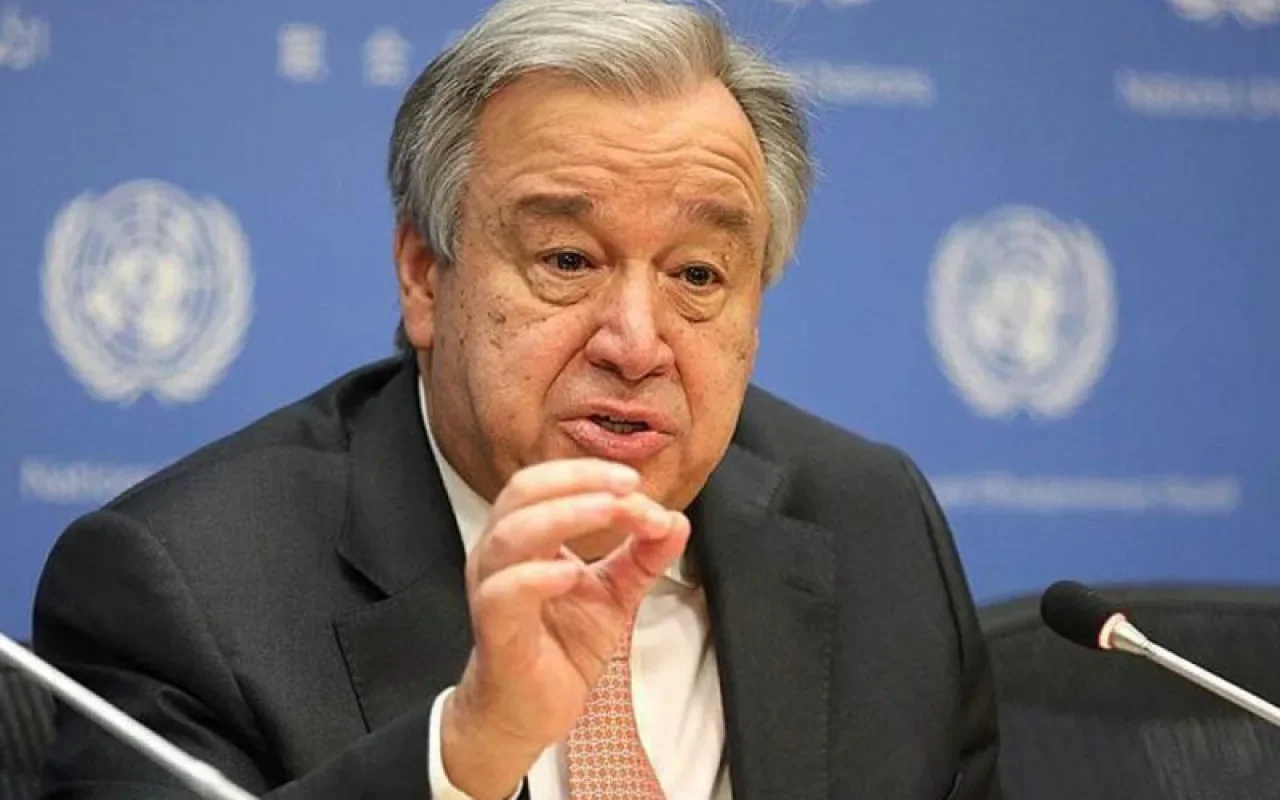
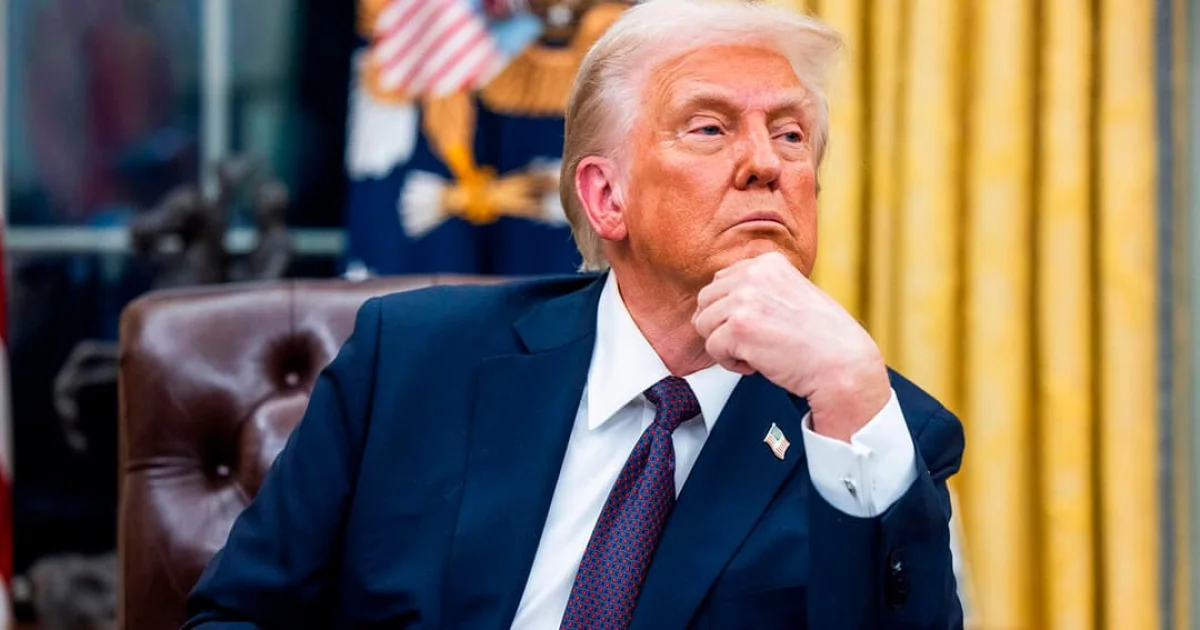
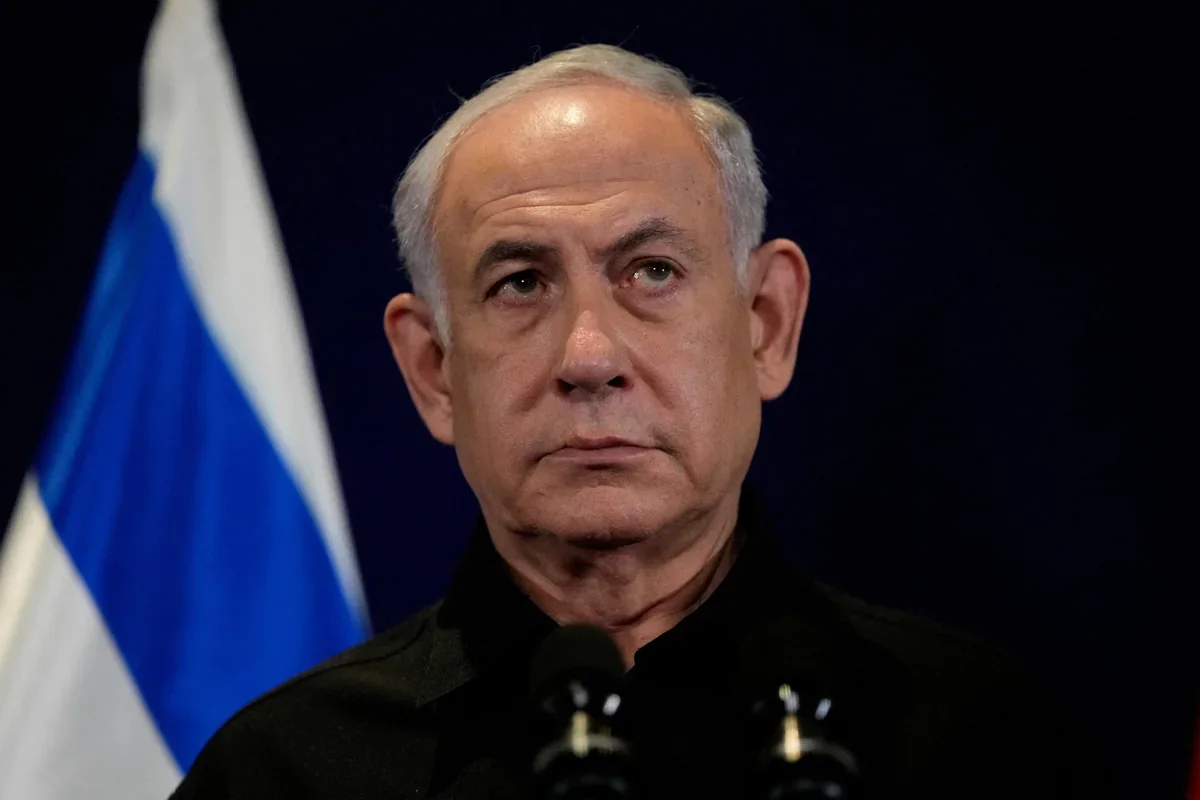
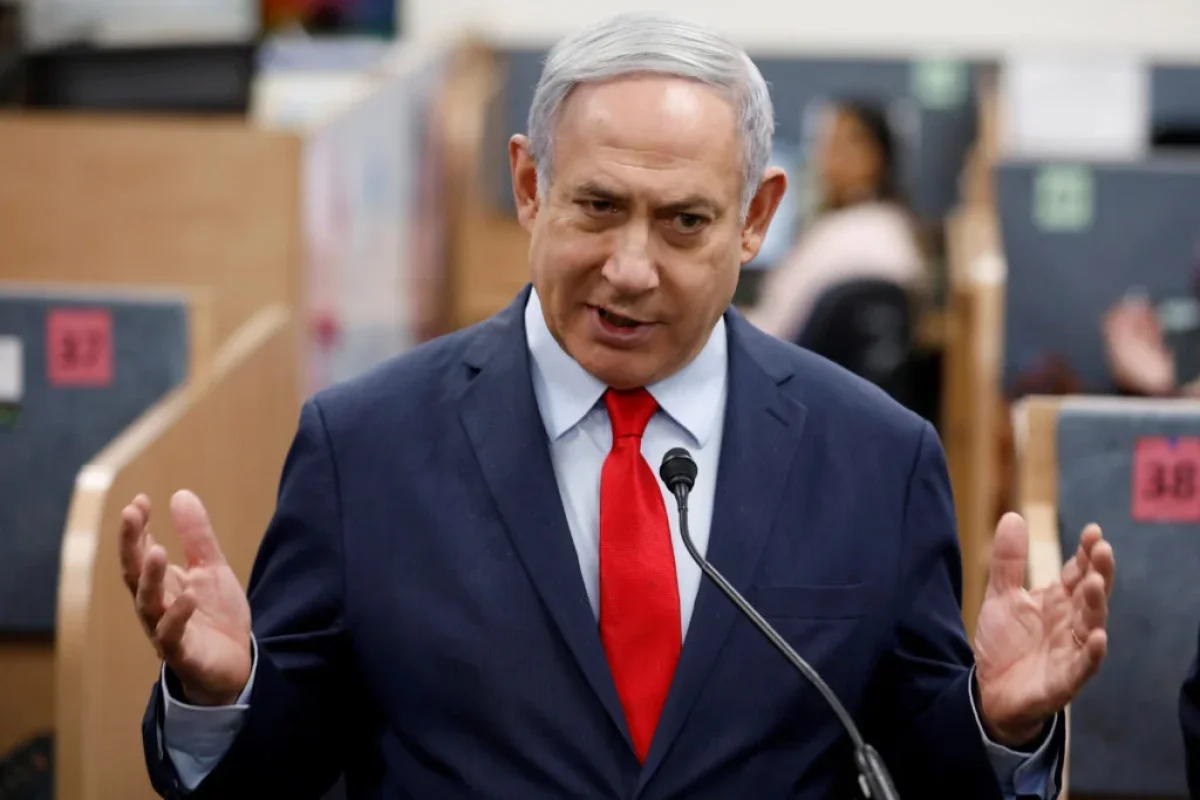
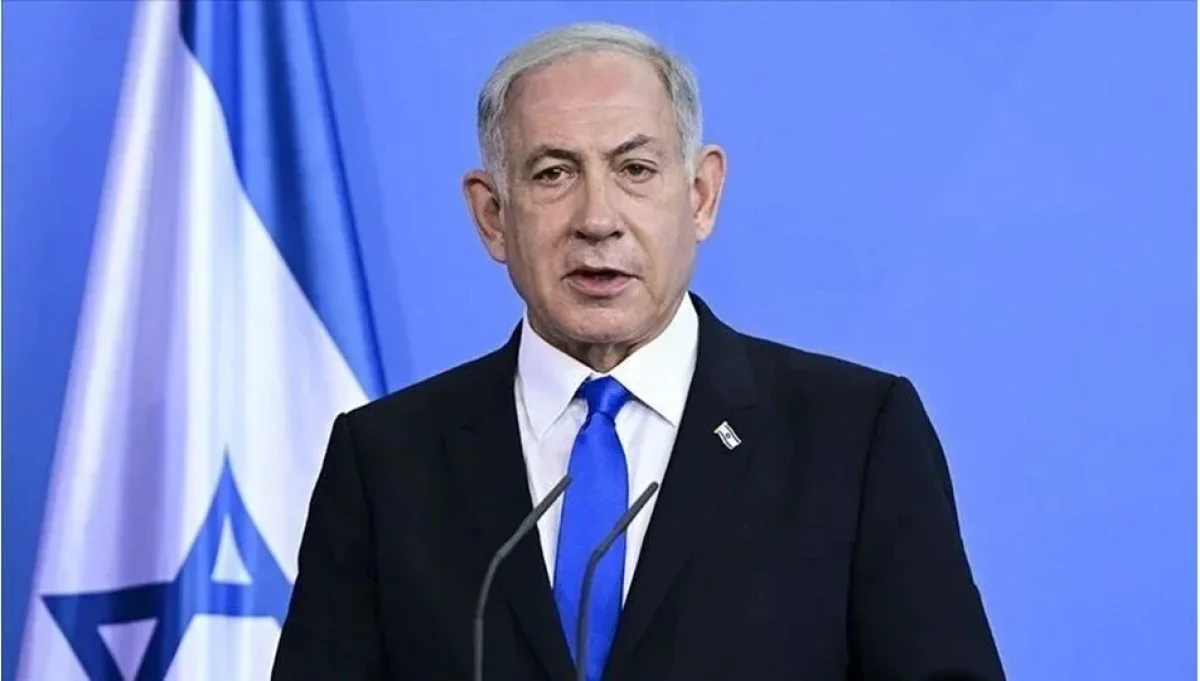
Significant shifts in public opinion regarding Israel and Prime Minister Benjamin Netanyahu are being observed in the United States, signaling a potential transformation in the long-standing bilateral alliance. According to the Operative Information Center-OMM, while a vast majority of Democrats share a critical stance, the most notable divergence is appearing across generational lines, with even younger Republicans showing a weakening of traditional support.
Data indicates that approximately 60 percent of Americans express a lack of confidence in Netanyahu's international policies. Jose Maria Peredo, an expert in international politics at the European University, noted that the decisions made in Gaza have resonated deeply with both voters and political leaders. Similarly, Mariano Aguirre, a researcher at CIDOB, highlighted a shift among the young Jewish population in the U.S., who have become increasingly critical of the Israeli government since October 2023. These concerns extend beyond the Palestinian issue to include operations in Lebanon and the potential for the U.S. to be drawn into a direct conflict with Iran.
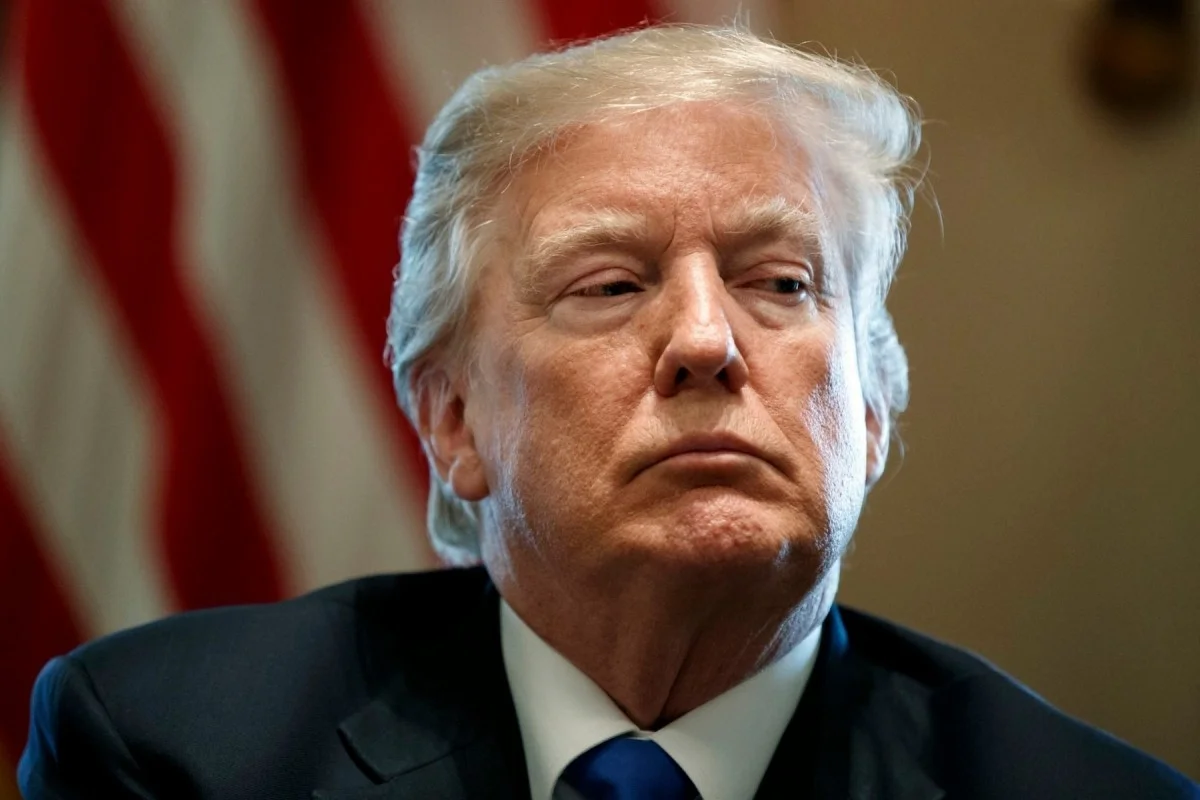
This trend is increasingly reflected in legislative actions within the U.S. capital. Recently, the U.S. Senate voted on proposals aimed at blocking the sale of heavy weaponry to Israel. Although the initiatives, supported by Independent Senator Bernie Sanders, were not adopted, 40 senators supported at least one of the measures. Sanders emphasized that three-quarters of Democrats and two-thirds of independents oppose sending weapons to Israel. Under the administration of US President Donald Trump, the debate over "unconditional support" continues to intensify, with growing calls to link military aid to human rights standards. Analysts suggest that while a total break in relations is unlikely, the current structural shifts represent the first major crack in a decades-old diplomatic balance.