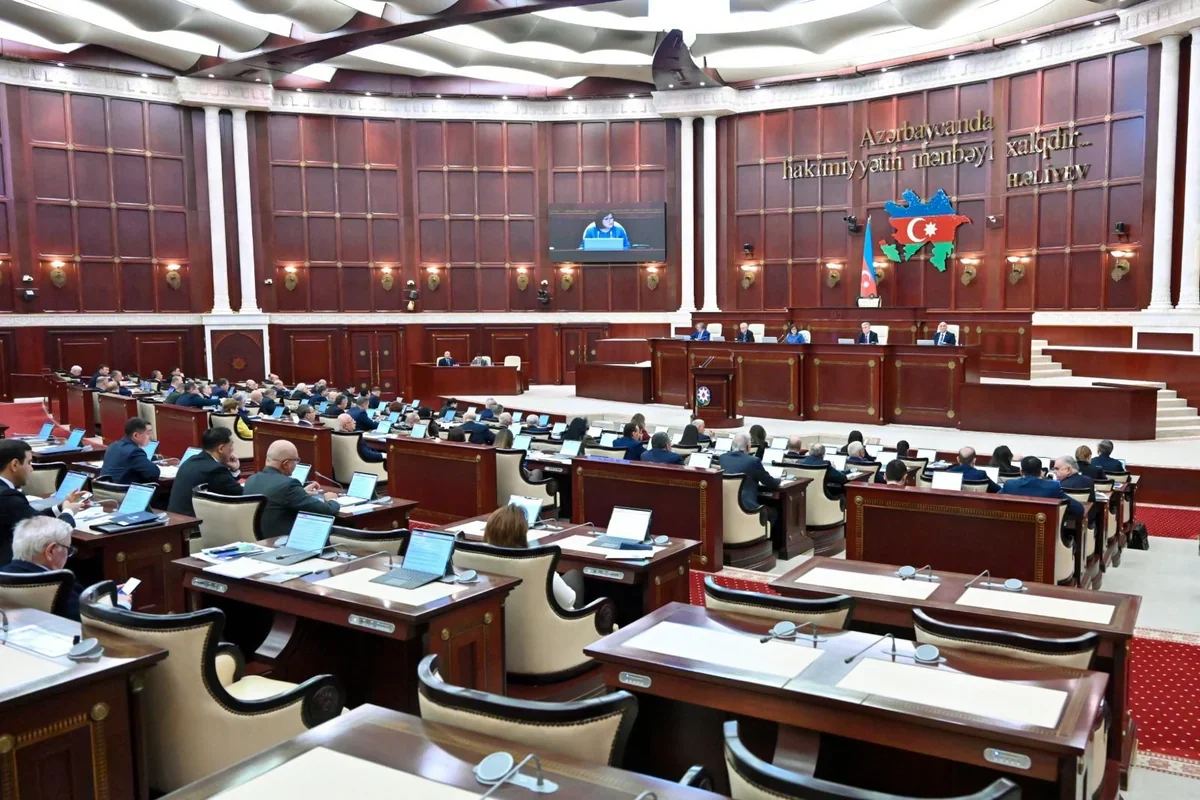
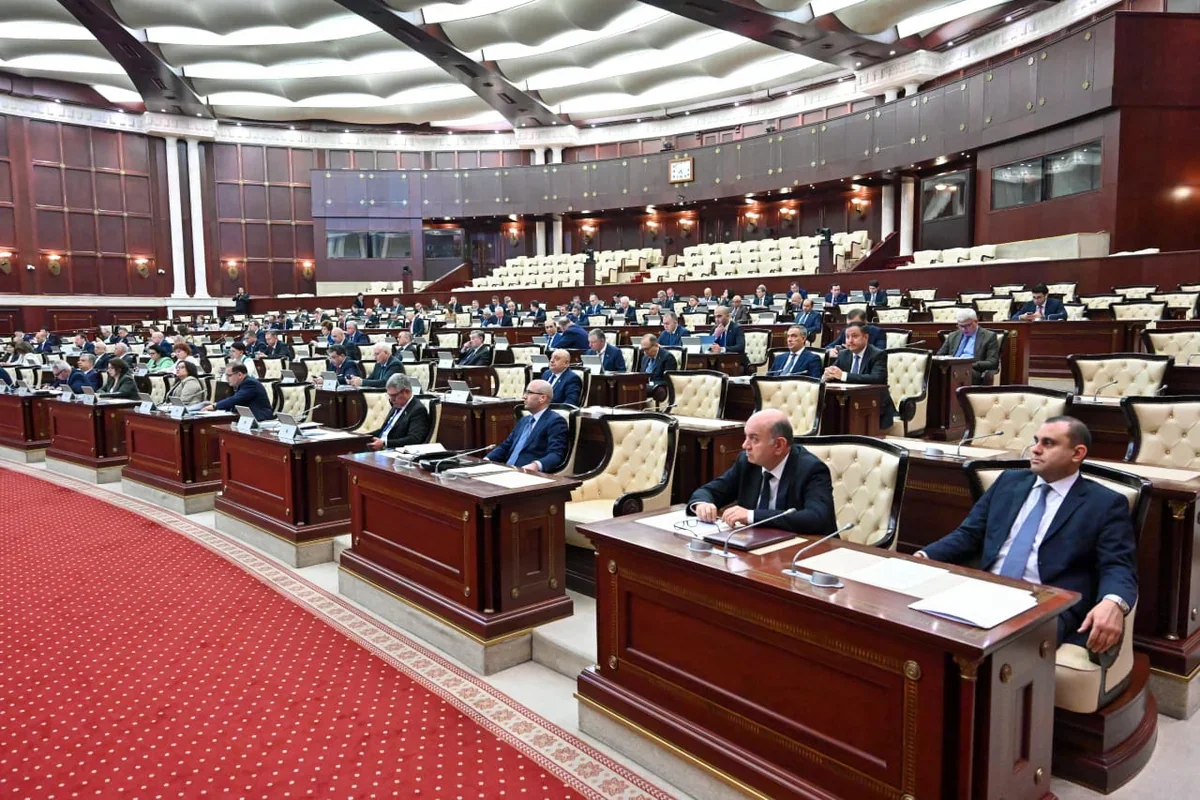
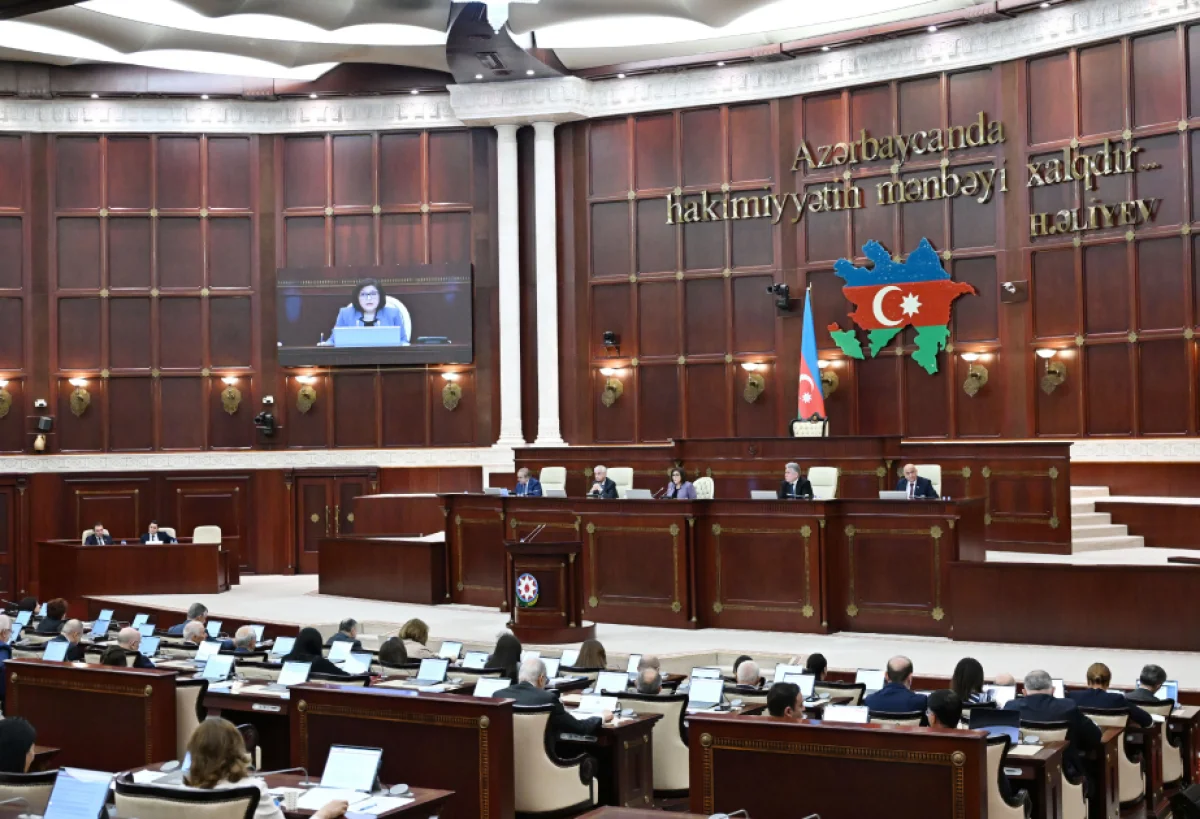
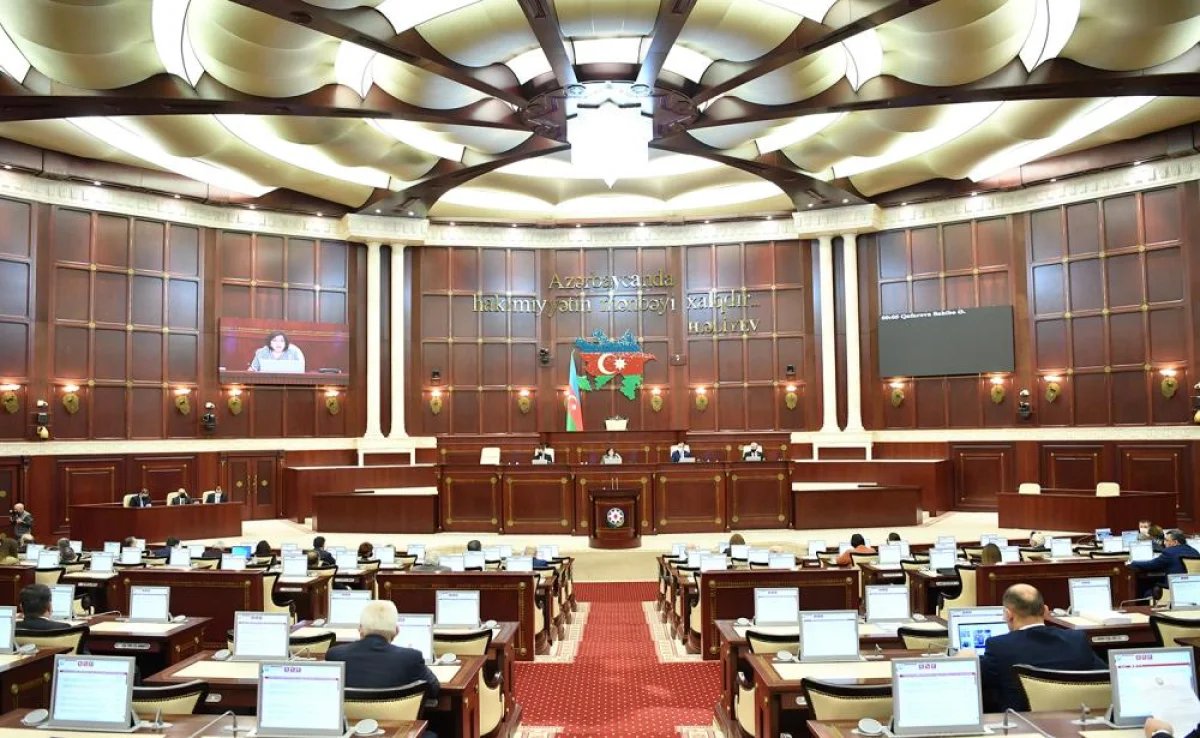
The Milli Majlis (National Assembly) of the Republic of Azerbaijan has approved a series of legislative amendments in the first reading, aligning various existing laws with the overarching "Law on Seed Production." This legislative update is designed to modernize the regulatory framework governing the agricultural sector.
Operative Information Center-OMM reports that the adjustments primarily concern the laws "On Selection Achievements," "On State Duty," "On Licenses and Permits," and "On Technical Regulation."
The approved legislative package introduces several key mechanisms intended to improve agricultural productivity and ensure the quality of planting materials:
- Information Registry: The "Law on Selection Achievements" will now incorporate an information system (Registry) to consolidate data on selection achievements—such as plant varieties, hybrids, and breeds—alongside records of registered seed operators and relevant contractual agreements.
- State Duty Standardization: Amendments to the "Law on State Duty" establish specific fees for the registration of seed operators and the issuance of certificates verifying the varietal and sowing qualities of seeds. This measure is aimed at enhancing the quality of administrative services provided to the agricultural sector.
- Regulatory Oversight: By adding a new provision to the "Law on Licenses and Permits," the legislation mandates that extracts from the relevant information system for seed operators be included in the list of permits for entrepreneurial activity. This change is expected to establish an effective tracking mechanism for seed circulation, prevent violations, and mitigate the entry of low-quality products into the market.
- Technical Standardization: The "Law on Technical Regulation" has been updated to clarify that mandatory requirements for plant variety seeds are governed by the "Law on Seed Production," thereby streamlining the regulatory compliance process.
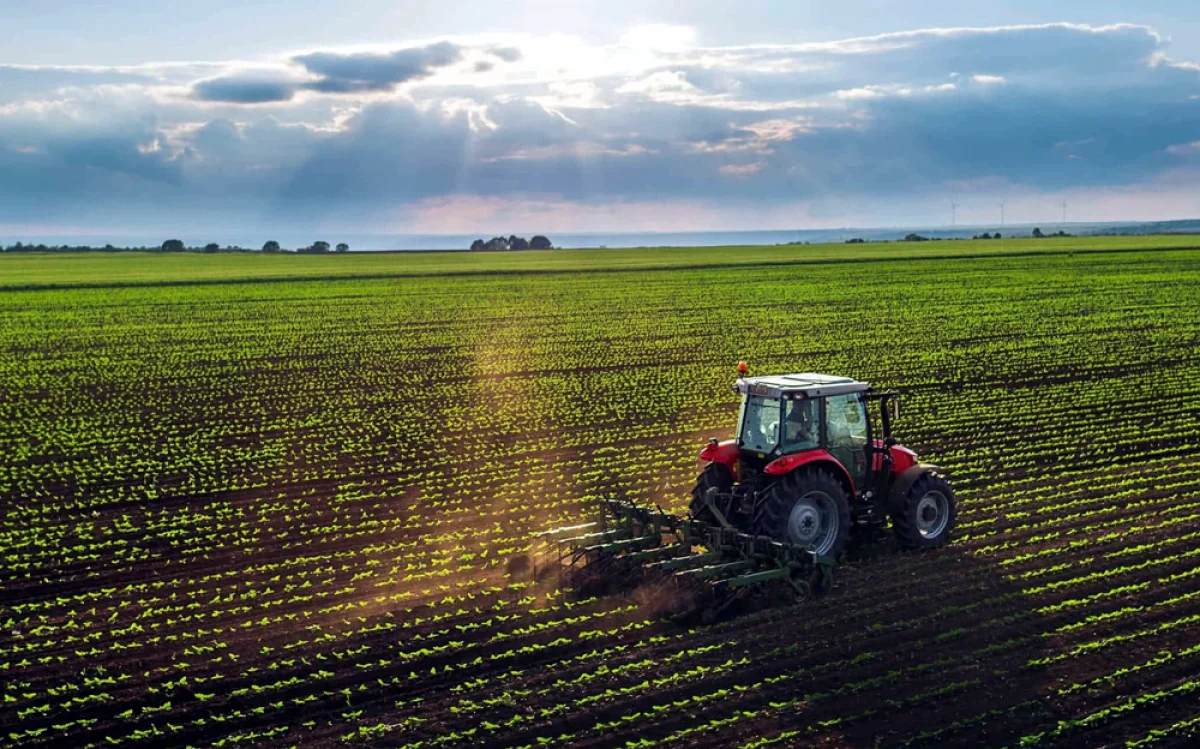
The agricultural sector remains a strategic priority for Azerbaijan, particularly as the country focuses on food security and the revitalization of liberated territories. By strengthening the legal framework for seed production, the government aims to support farmers with high-quality inputs, ultimately increasing crop yields and fostering sustainable development within the national economy.