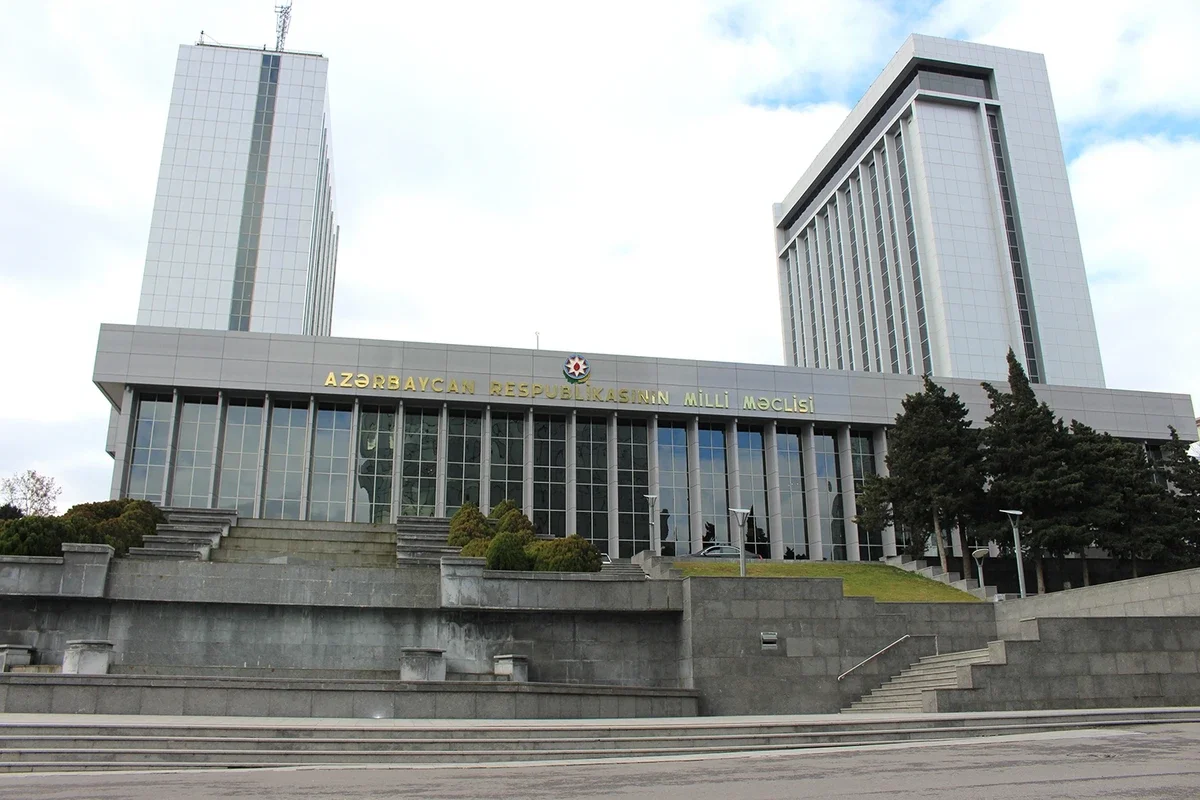
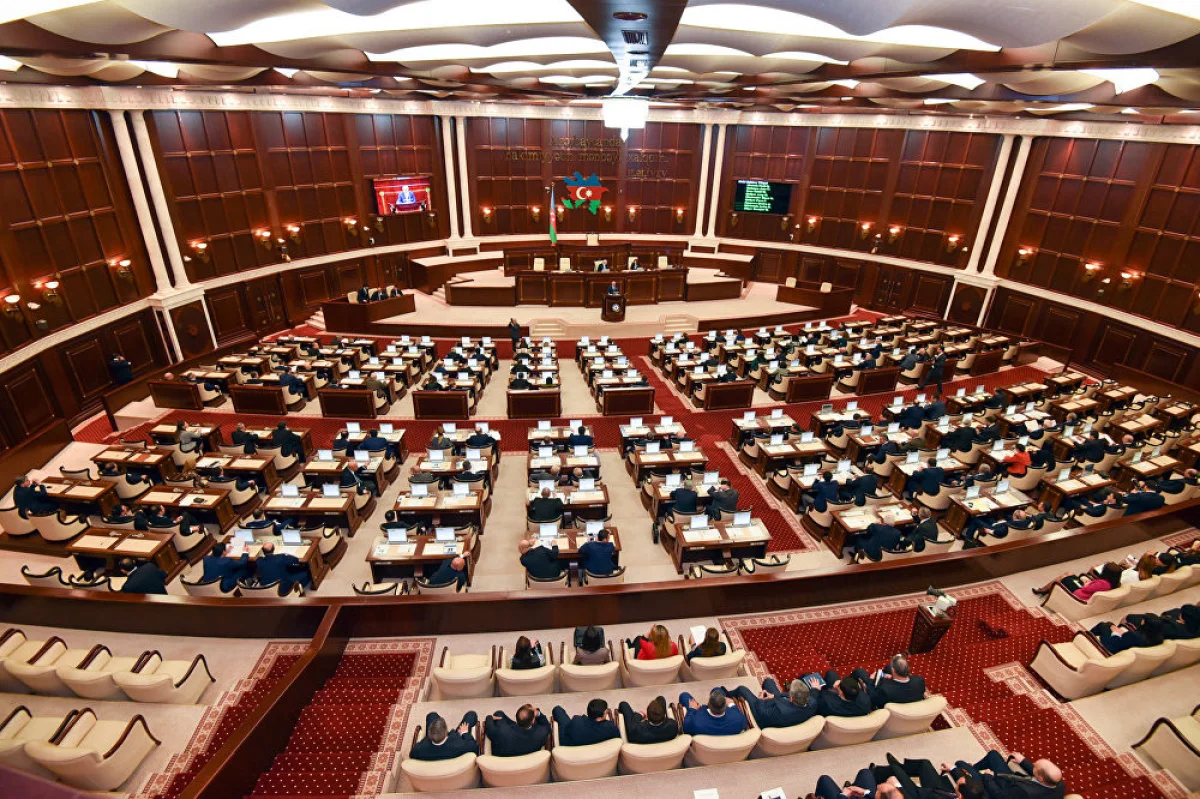
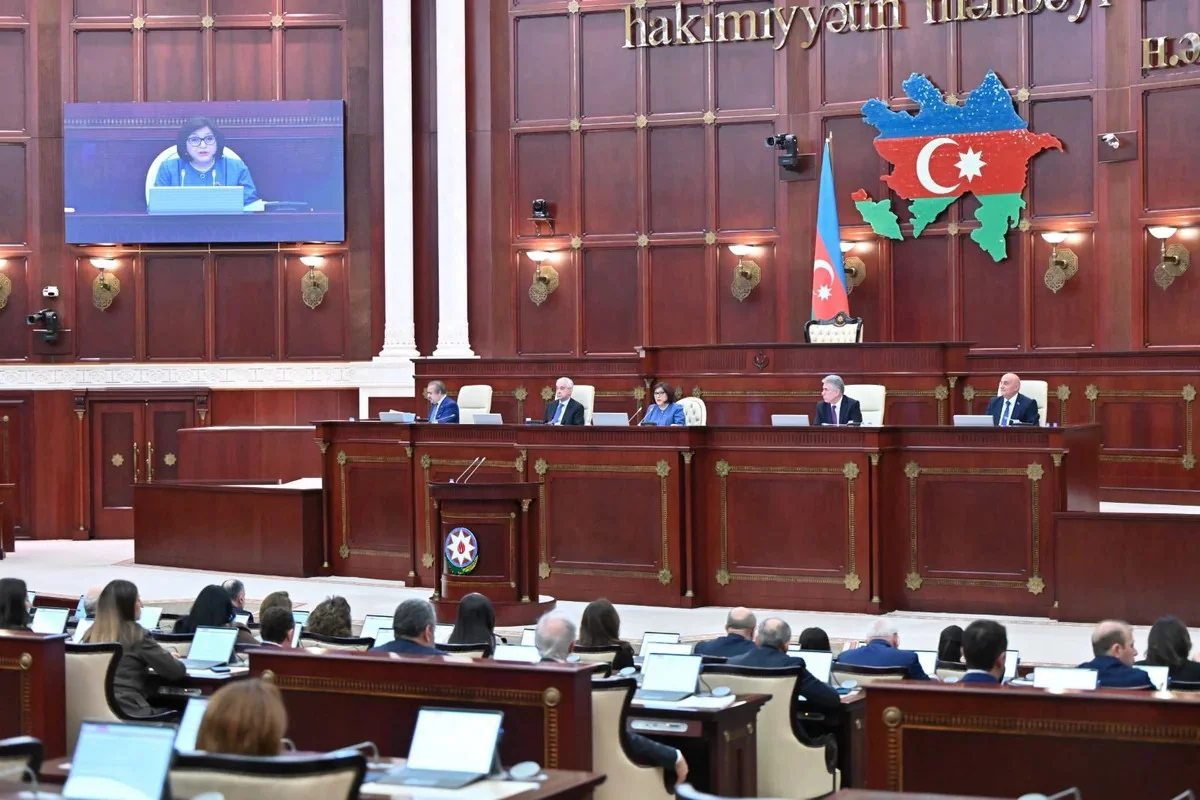
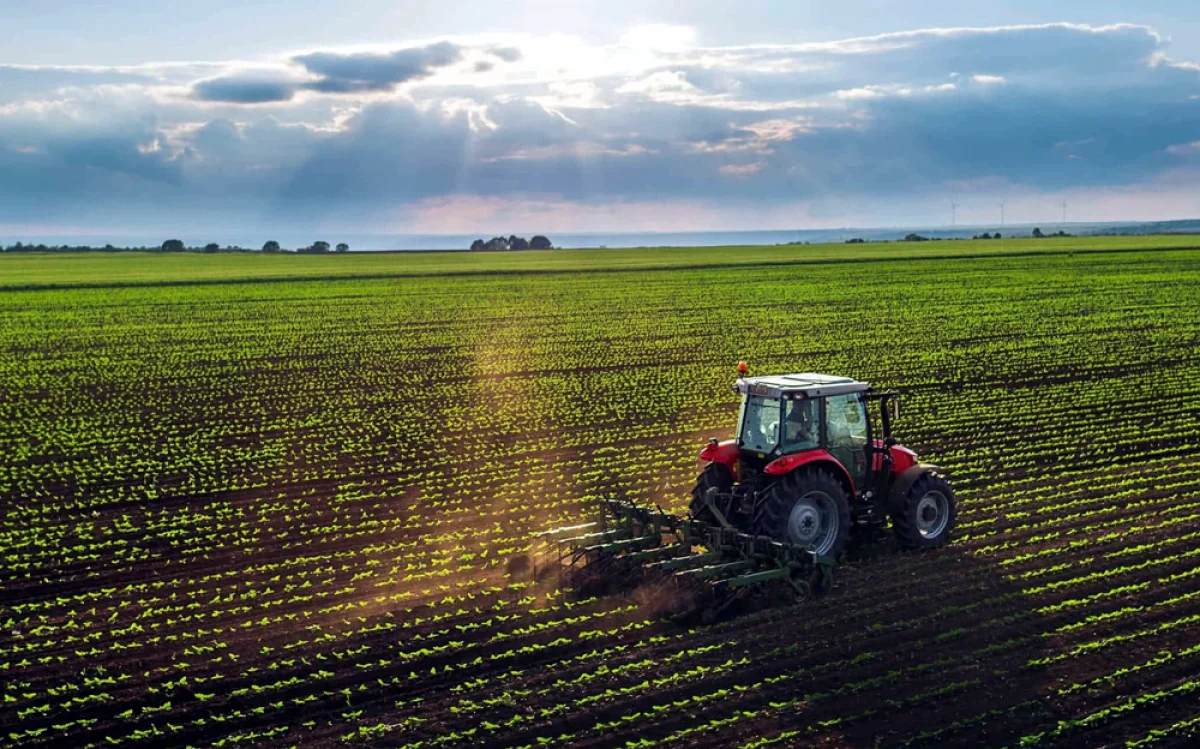
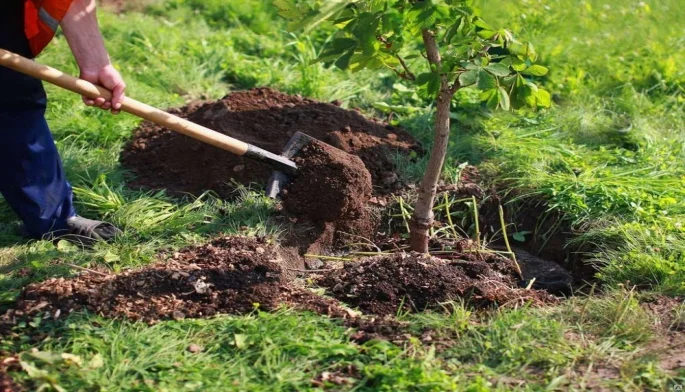
The Milli Majlis (National Assembly) has adopted, in the third reading, amendments concerning the removal of vegetation on agricultural lands designated for cultivation and perennial plantings. This legislative update is part of broader efforts to optimize land management and support the agricultural sector in Azerbaijan.
According to the Operative Information Center-OMM, the draft law on amendments to the "Law on Protection of Greenery" was discussed during today's session of the parliament's extraordinary session.
Under the new regulations, restoration costs will no longer be required for the cutting of shrubs, flowers, and grasses on agricultural lands specifically designated for cultivation or perennial crops. This measure is expected to reduce bureaucratic hurdles for farmers seeking to manage their land more effectively.
The legislation also clarifies the definitions of trees and shrubs. A tree is now defined as a perennial plant with a single woody main trunk and a crown, branching above the soil surface. A shrub is defined as a perennial plant with woody stems and a crown, lacking a clearly defined main trunk and branching directly from the soil surface (root collar).
The draft law mandates a notification procedure for the removal of shrubs. Applicants must provide detailed information, including the quantity, species, height, and photographs of the shrubs, as well as the area size in hectares. Additionally, proof of ownership, lease, or usage rights for the land must be submitted through the designated information system of the relevant executive authority.
The law strictly prohibits the submission of false or distorted information by applicants. If the relevant executive authority does not issue an objection within 10 calendar days, the applicant is authorized to proceed with the removal of the shrubs. Any objections raised must be substantiated with specific references to normative legal acts and the violated requirements.
These changes reflect the government's ongoing commitment to modernizing agricultural legislation, ensuring that land use policies are both transparent and conducive to the development of the country's agrarian economy.