Decisive meeting in Islamabad: US and Iranian delegations meet
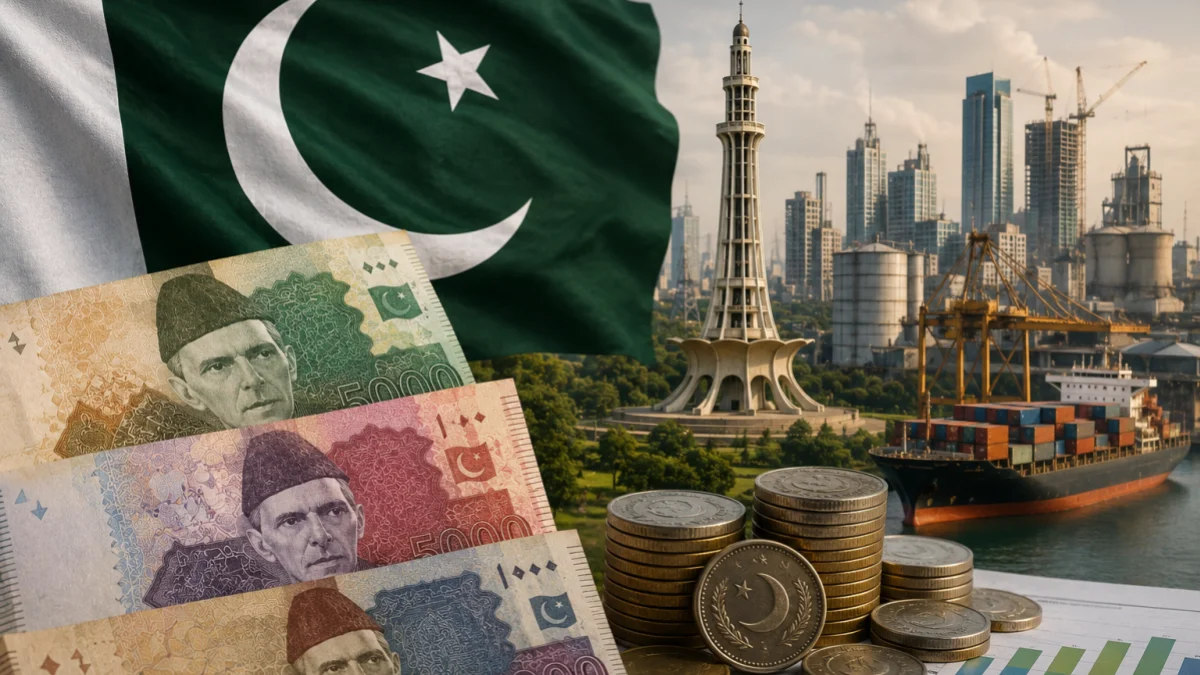
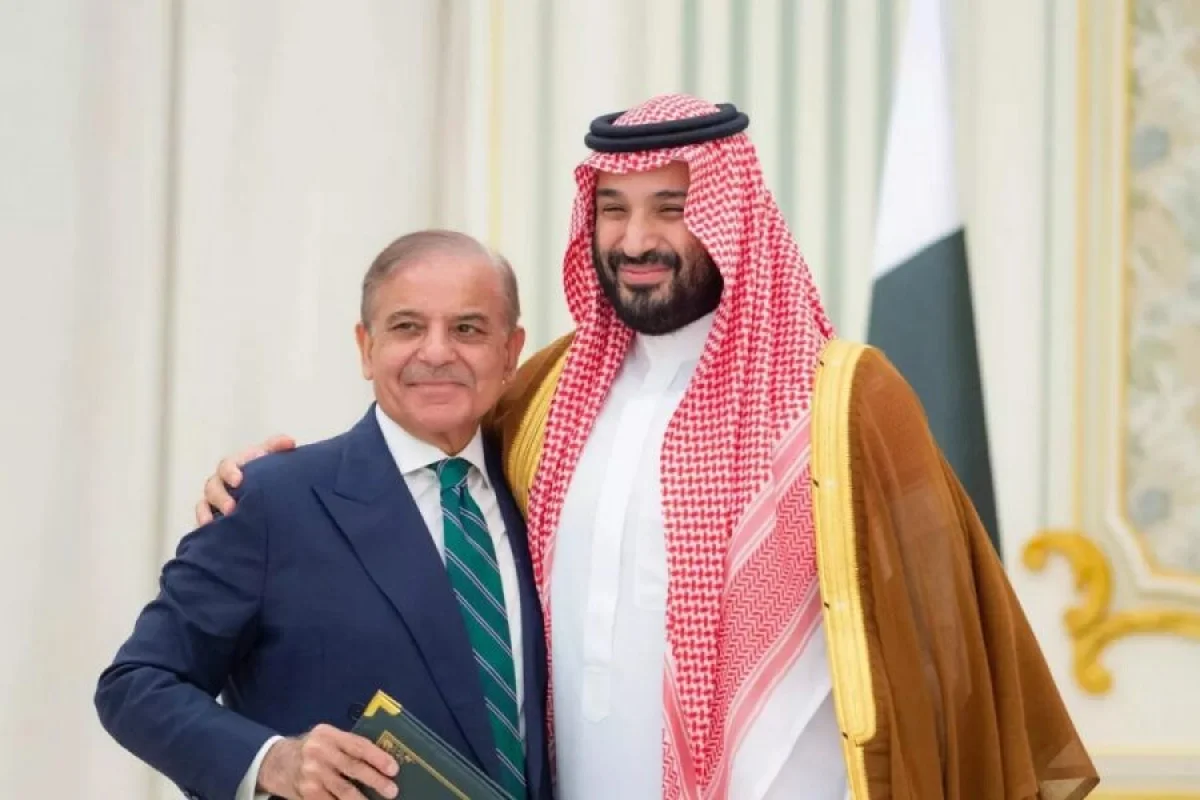
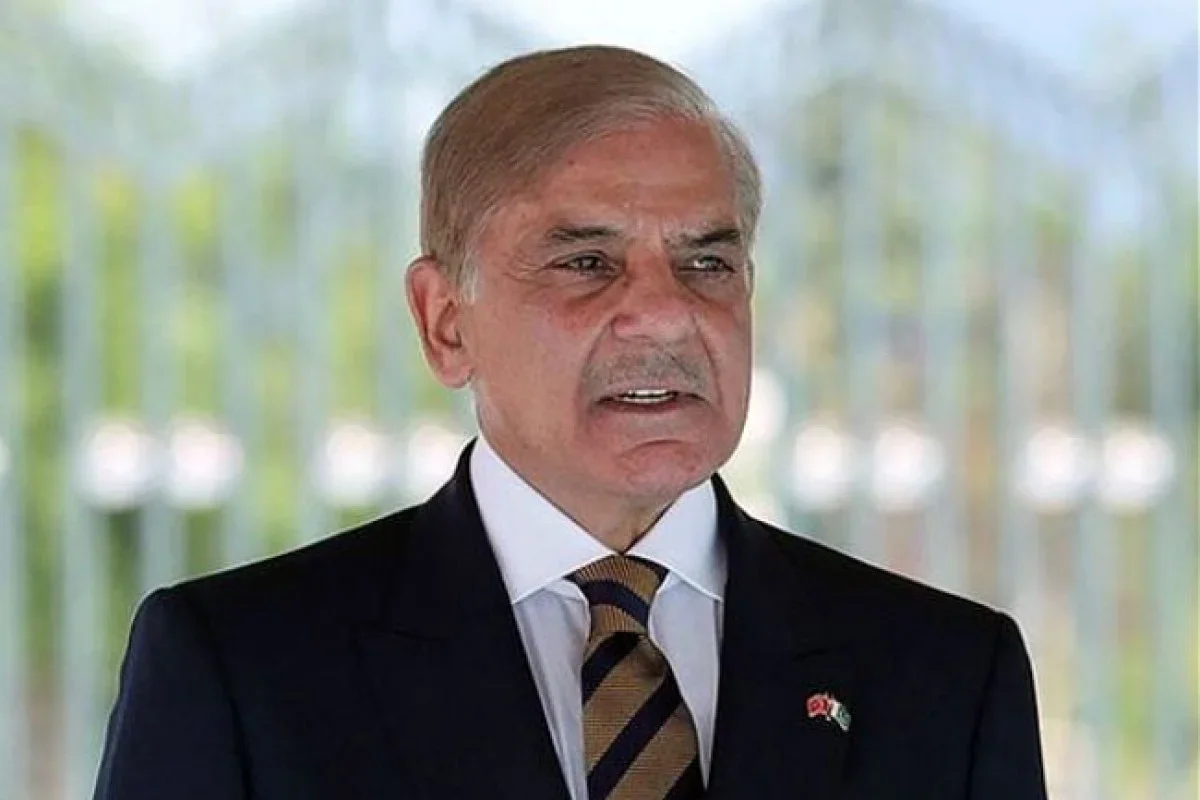
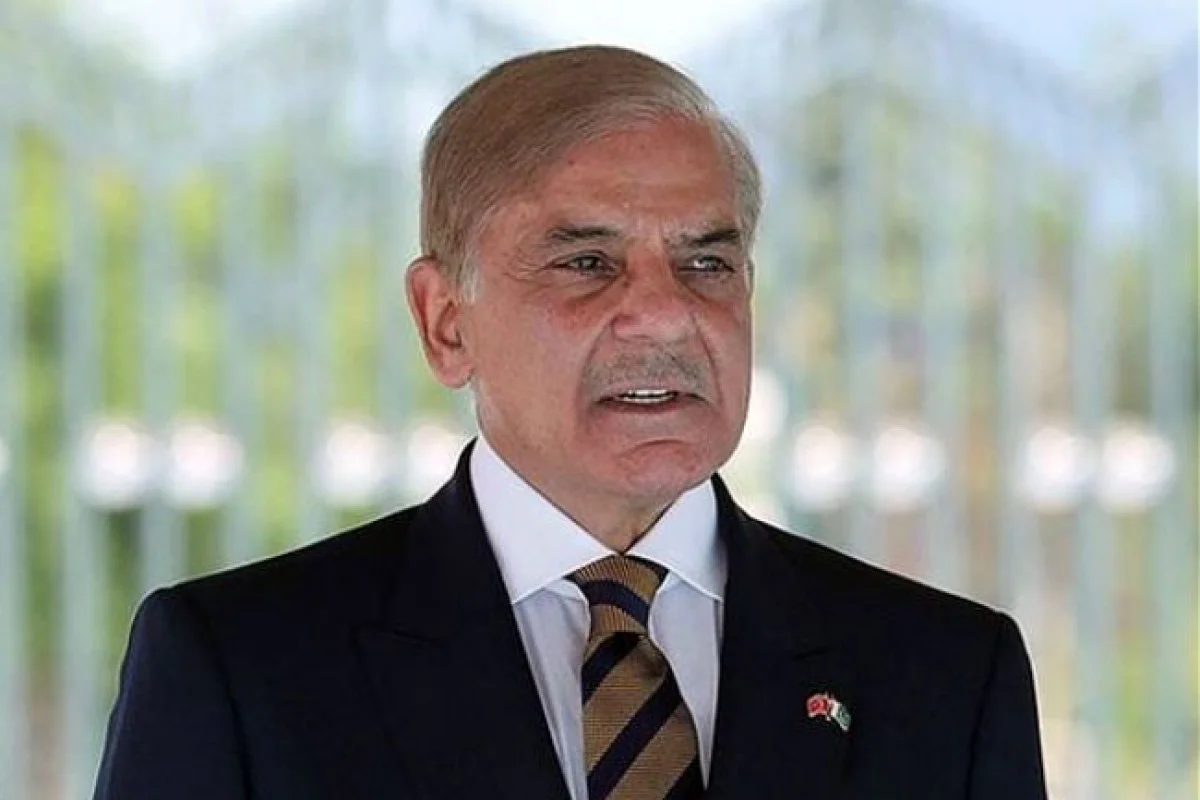
A significant diplomatic process is taking place today in Islamabad as Pakistan Prime Minister Shehbaz Sharif mediates high-level talks between delegations from the United States and Iran. According to Operative Information Center-OMM, citing Al Jazeera, this historic meeting is expected to commence in the second half of the day.
The Iranian delegation, led by Parliament Speaker Mohammad Bagher Ghalibaf, arrived in the capital on the night of March 11. This morning, the US delegation, headed by Vice President JD Vance, arrived in Pakistan to participate in the discussions. These talks follow a period of intense regional volatility and represent a critical attempt to stabilize the Middle East through direct diplomatic engagement under Pakistani mediation.
The background of the current tension dates back to February 28, when military operations were launched by the United States and Israel against Iran. These strikes resulted in the death of Iran's Supreme Leader Ali Khamenei and several high-ranking officials. In response, Iranian forces launched strikes against US and allied military bases located in Israel, Saudi Arabia, Qatar, the United Arab Emirates, Oman, Bahrain, Kuwait, Iraq, and Cyprus. Following this escalation, a two-week ceasefire was agreed upon between Iran, the United States, and their allies on April 8.
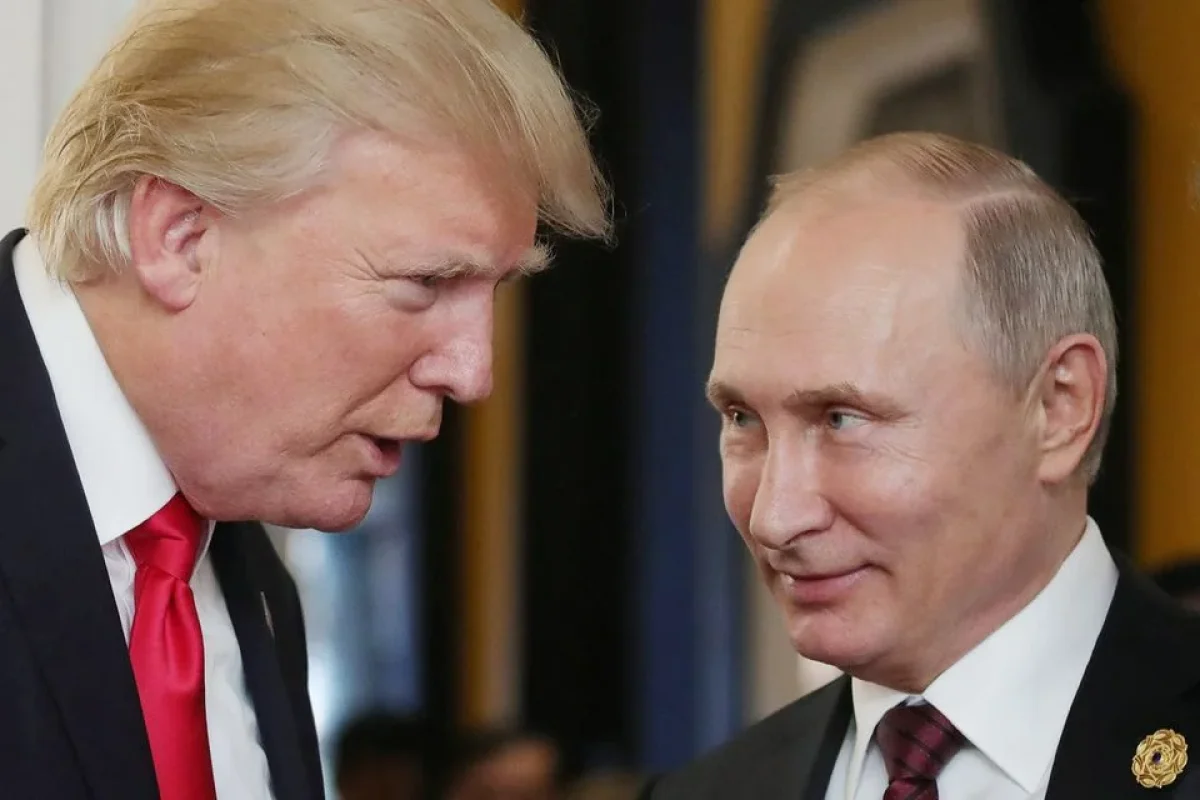
The involvement of US President Donald Trump's administration in these negotiations underscores a shift toward direct high-level dialogue to prevent further regional conflict. Pakistan has historically maintained a delicate balancing act in its relations with both Washington and Tehran, often positioning itself as a bridge for communication during times of crisis. This meeting in Islamabad is viewed by international observers as a pivotal moment that could determine the long-term viability of the current ceasefire and the future security architecture of the region.