Russian Deputy Foreign Minister Sergey Ryabkov emphasized during a press conference in Havana that Moscow will never abandon Cuba and will continue its support to overcome the energy crisis caused by United States sanctions.
According to Operative Information Center-OMM, citing foreign media, Ryabkov stated that Russia has no intention of withdrawing from its strategic, economic, and military interests in the Western Hemisphere.
Addressing the expansion of energy support, the diplomat noted that Cuba's macroeconomic situation has deteriorated, and the de facto oil blockade imposed by the United States has caused serious problems in the country. The Russian official added that Moscow's logistical support would not be limited to the crude oil delivered to the island last month. He characterized US sanctions as a violation of international norms, stating, "We cannot betray Cuba; it is impossible."
On March 31, the Russian vessel "Anatoly Kolodkin" delivered approximately 700,000 barrels of oil to Matanzas Bay despite heavy sanctions. While the US State Department suggested such moves should be viewed through a humanitarian lens, the event has once again highlighted the competition between global powers.
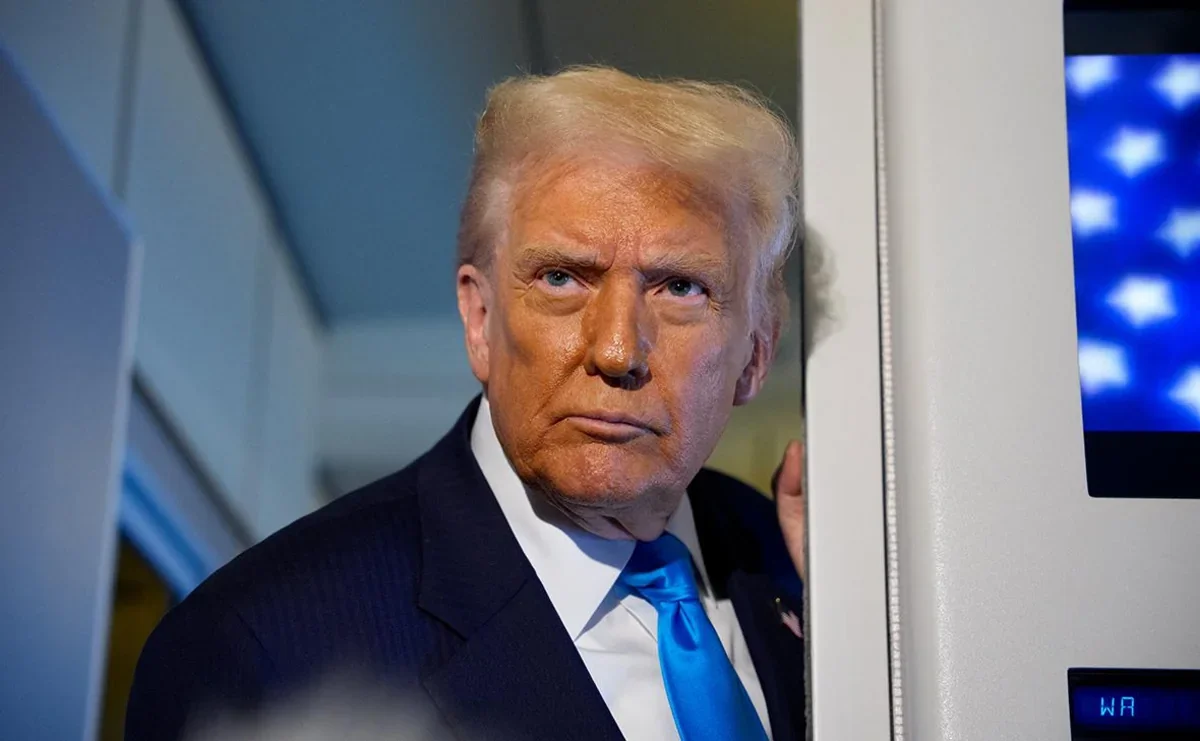
Ryabkov also criticized US policy in the Western Hemisphere, claiming that Washington is attempting to squeeze Russia and China out of the region. He emphasized that Moscow views Cuba as a strategic partner in response to the influence of NATO and the US in Eastern Europe. This geopolitical positioning comes at a time of heightened global tensions, as US President Donald Trump maintains a firm stance on international trade and regional security alliances.
Historically, Cuba and Russia have maintained deep-rooted ties dating back to the Cold War era, with Moscow serving as a primary economic and political benefactor for the island nation. In recent years, this partnership has seen a resurgence as Azerbaijan and other international observers monitor the shifting dynamics of global energy security and the impact of unilateral sanctions on regional stability.