Journalists will no longer be permitted to move within the Pentagon building without an official escort following a recent judicial ruling.
"Operative Information Center-OMM" reports that the US Court of Appeals for the District of Columbia Circuit has issued a decision supporting the Department of Defense's measures to restrict media access, according to ABC News.
The judicial panel voted two-to-one in favor of the Pentagon's actions, reversing a previous legal trajectory. In March, a lower court had initially ruled in favor of a lawsuit filed by The New York Times (NYT), ordering the department to restore credentials for seven reporters and lift accreditation restrictions that had been imposed in October 2025. In response to that earlier ruling, the Pentagon leadership ordered the immediate closure of the media workspace located at its headquarters and strictly limited unescorted entry for all press members.
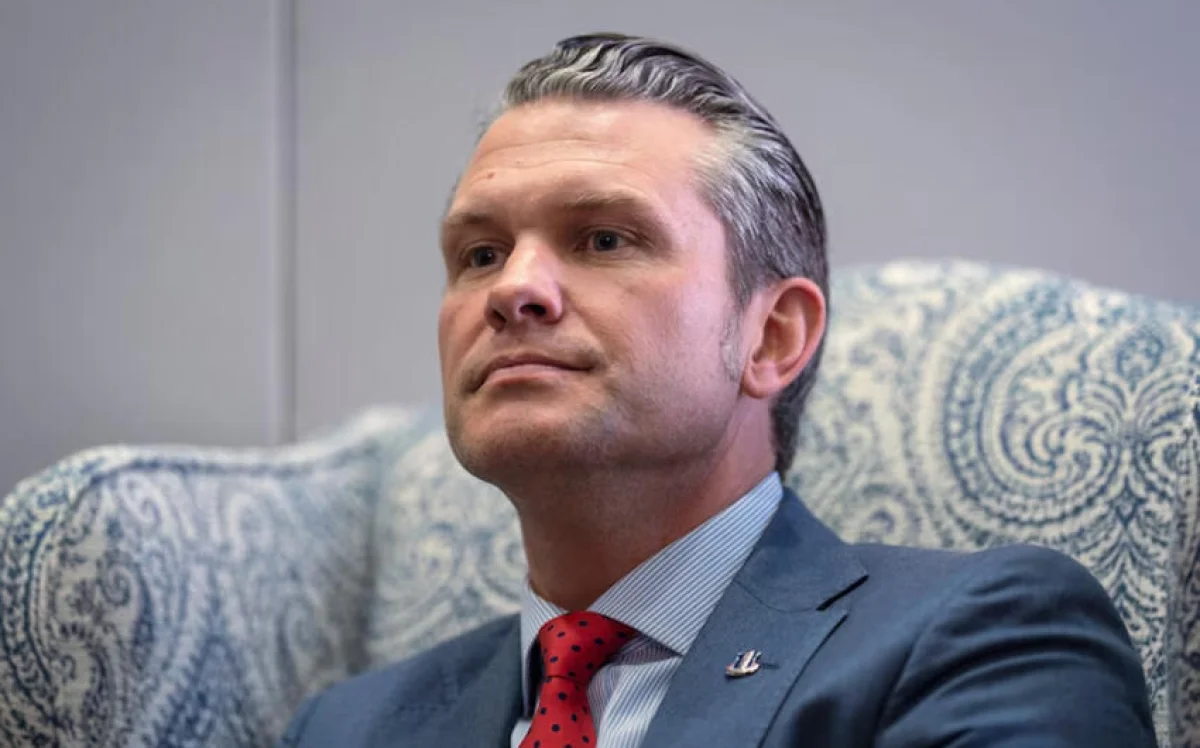
The restrictions, implemented under the leadership of Defense Secretary Pete Hegseth, have faced significant backlash from major news organizations. On October 16, 2025, the Associated Press (AP) announced that dozens of journalists decided to return their press passes due to the new limitations. The NYT has characterized Hegseth's actions as "unprecedentedly hostile," alleging that the Pentagon has evicted established media outlets from their workspaces to lease the areas to conservative publications. In December, the NYT filed a further lawsuit against the Pentagon, asserting that the restrictions on covering military affairs violate the constitutional rights of journalists.
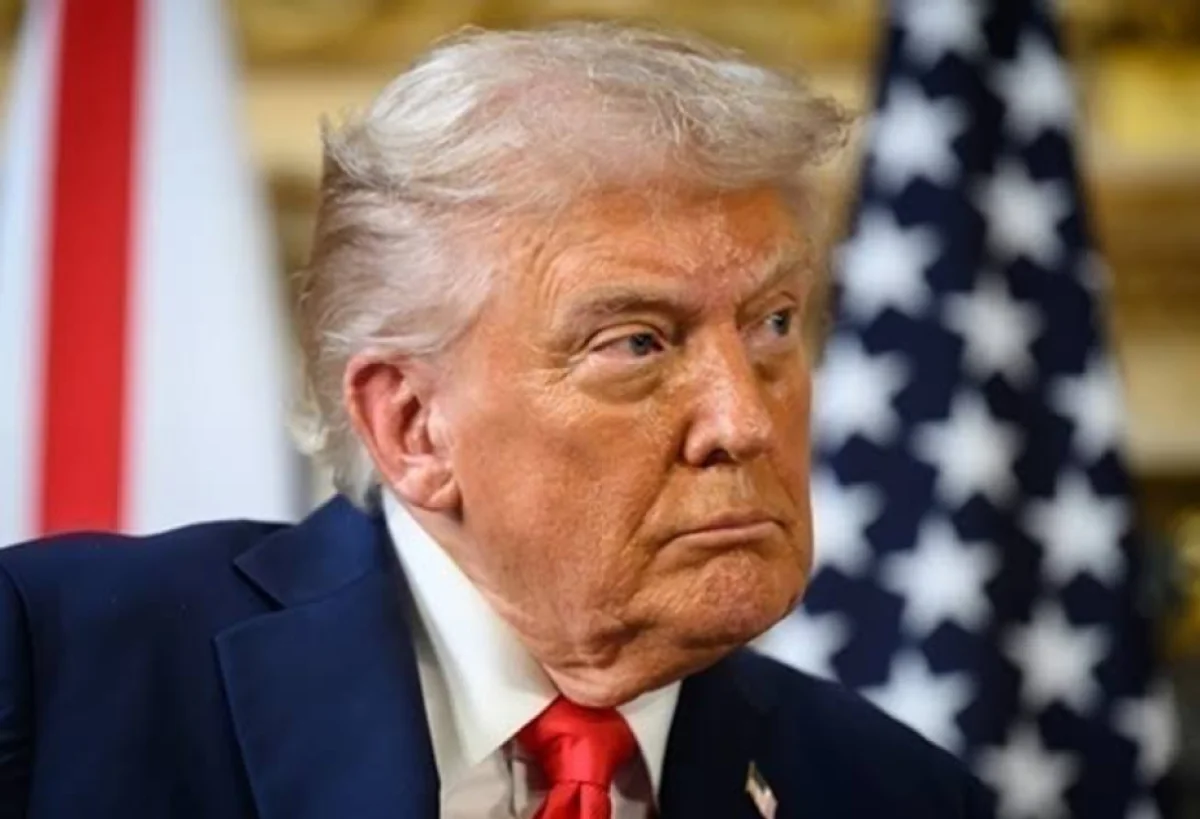
These developments occur under the administration of US President Donald Trump, who assumed office in January 2025. The Pentagon, as the headquarters of the US Department of Defense, serves as a critical hub for global security communications. Changes to its media policy are often viewed as significant indicators of the administration's approach to government transparency and press relations. The current legal battle highlights the ongoing tension between national security protocols and the freedom of the press in the United States.