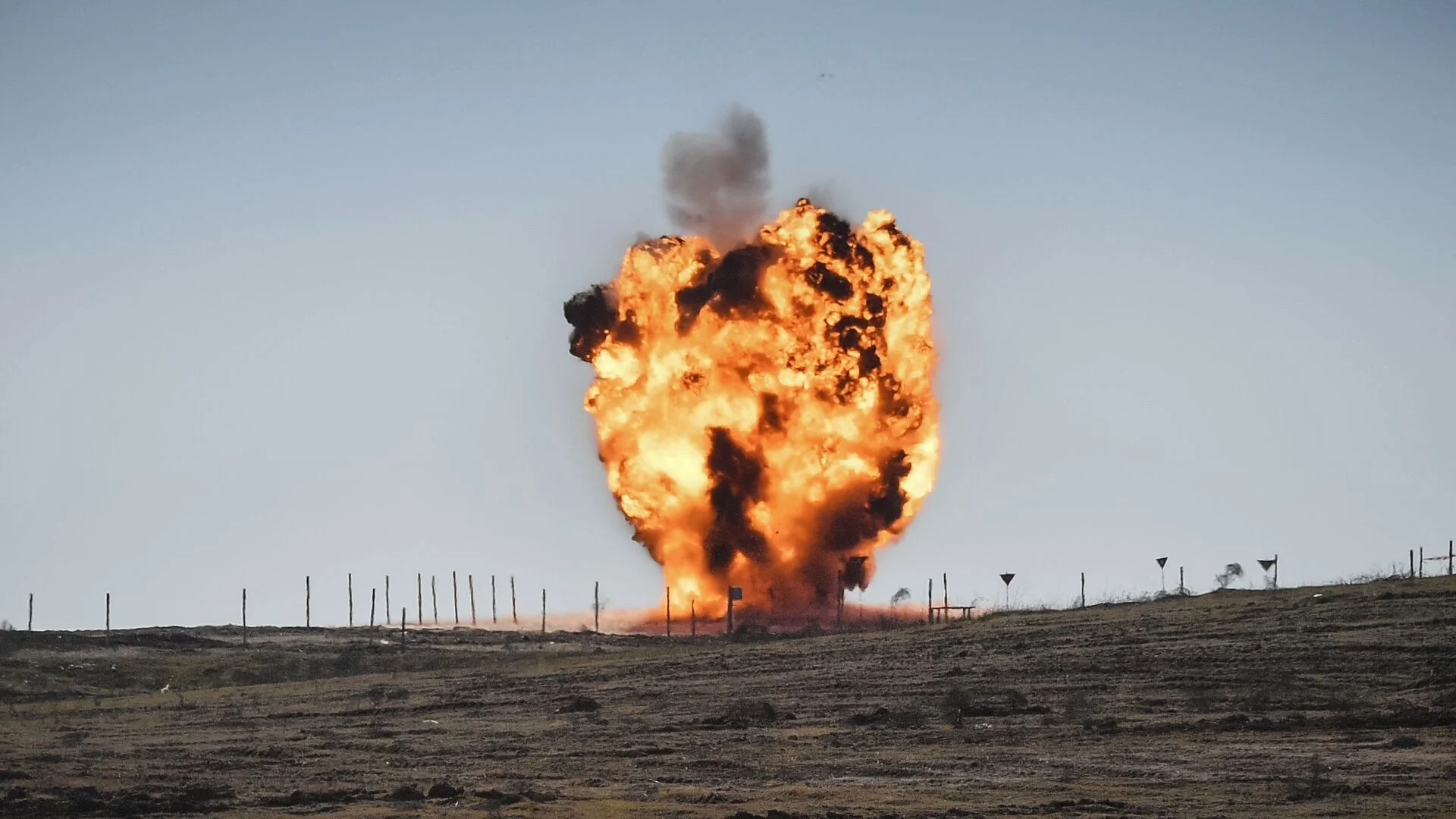
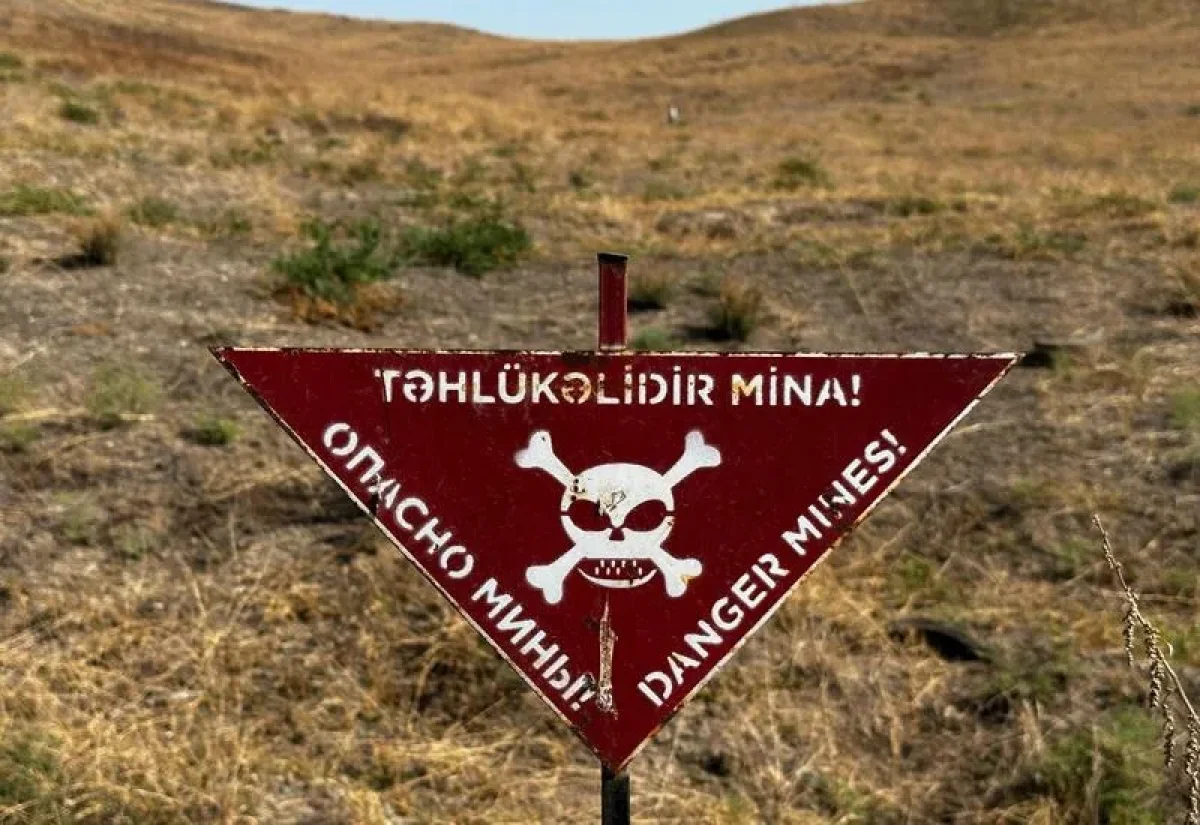
More than one million landmines have been identified in the liberated territories of Azerbaijan during initial assessments, highlighting the massive scale of the threat facing the region. Over 300 children and young people are among the thousands of victims affected by these explosive devices since the conflict began.
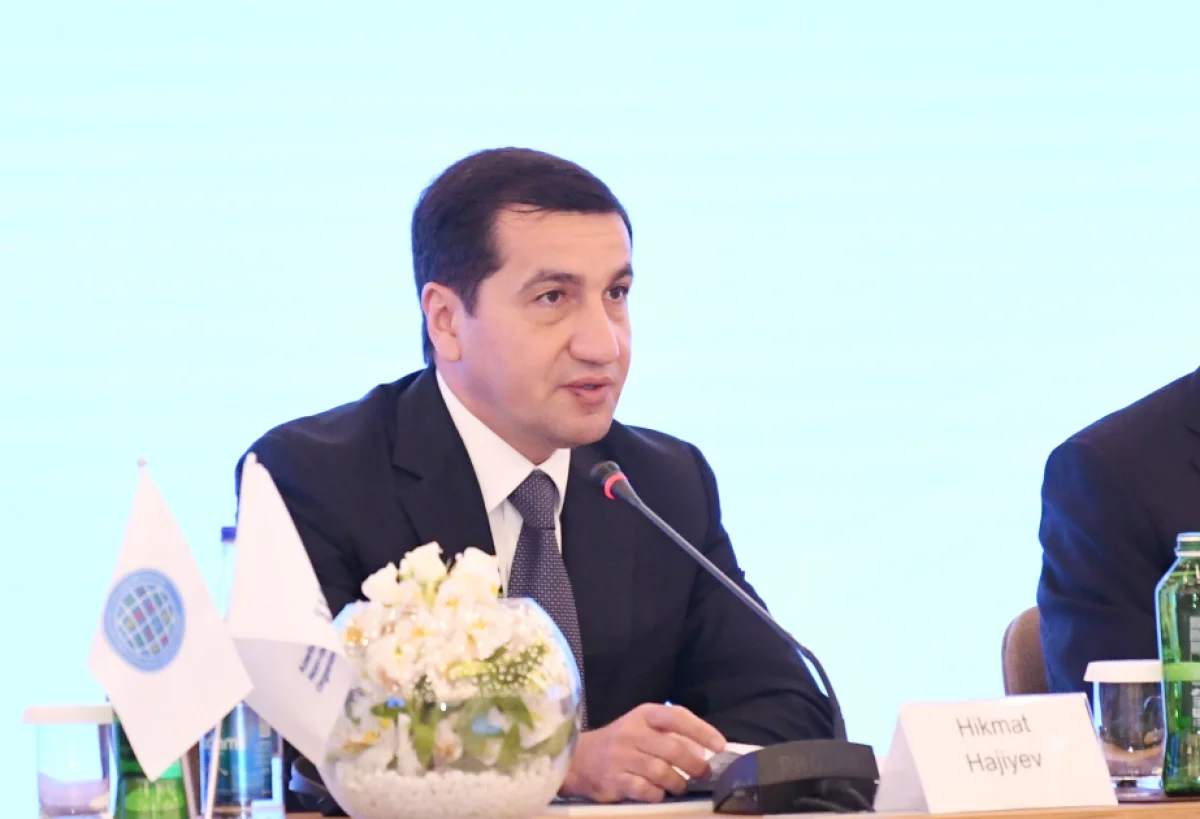
According to Operative Information Center-OMM, Samir Poladov, Deputy Chairman of the Board of the Azerbaijan National Agency for Mine Action (ANAMA), disclosed these figures during an event titled "Reconstruction in Post-Conflict Cities: The Critical Role of Humanitarian Mine Action." The session was held at the Azerbaijan Pavilion as part of the 13th Session of the World Urban Forum (WUF13) in Baku. Poladov noted that from 1991 to November 10, 2020, landmines caused 2,418 injuries and 530 deaths, while cluster munitions accounted for an additional 131 casualties. Since the end of the 44-day war on November 10, 2020, until May 22, 2025, another 352 people have been injured and 73 killed. "The total number of mine victims exceeds 3,500. Among them, 302 are children and youth, and 38 are women," Poladov stated.
Azerbaijan remains one of the most heavily mine-contaminated countries in the world following decades of occupation. The presence of these "silent killers" significantly hinders the large-scale reconstruction efforts and the safe return of internally displaced persons to the Garabagh and East Zangezur regions. The government of Azerbaijan has prioritized humanitarian demining as a primary component of its national development goals, frequently calling for increased international support and technical assistance to accelerate the clearance of these lethal hazards and ensure the safety of its citizens.