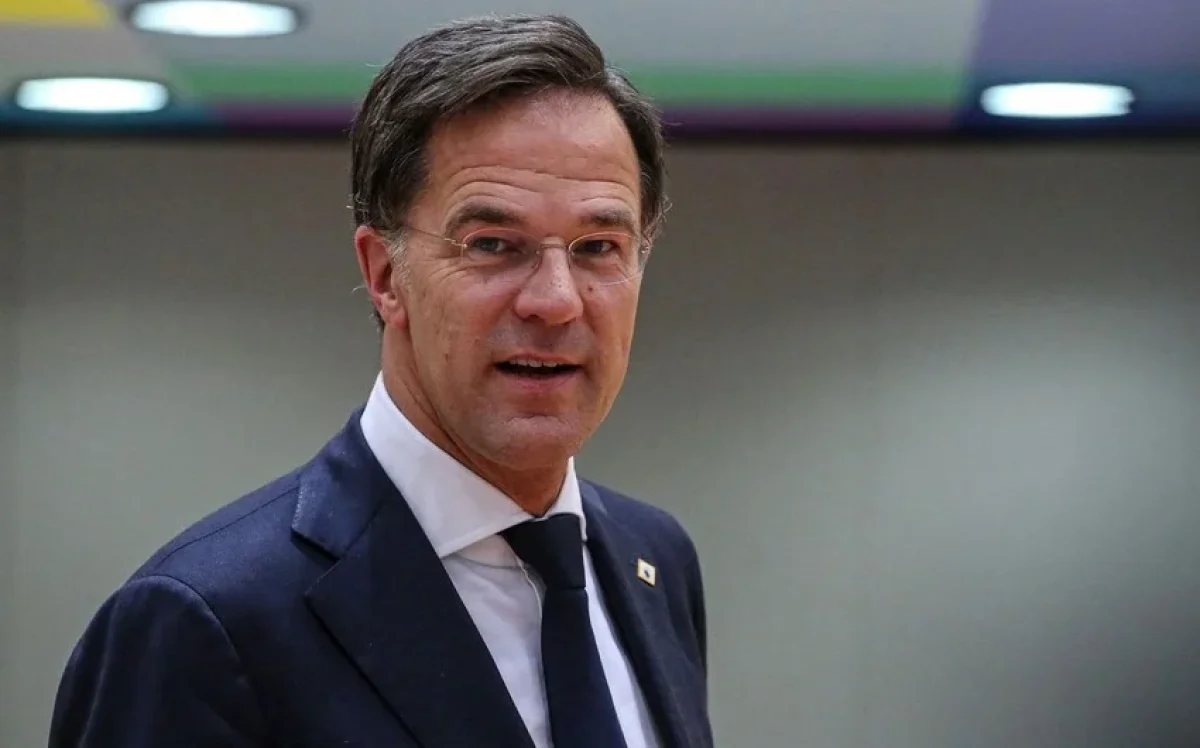
Leaders of the European Union (EU) and several NATO member states have voiced strong opposition to NATO Secretary General Mark Rutte's approach regarding the continent's security relationship with the United States. According to reports from the Financial Times (FT) citing internal sources, the growing uncertainty in transatlantic relations has sparked significant friction between the leadership of NATO and the EU.
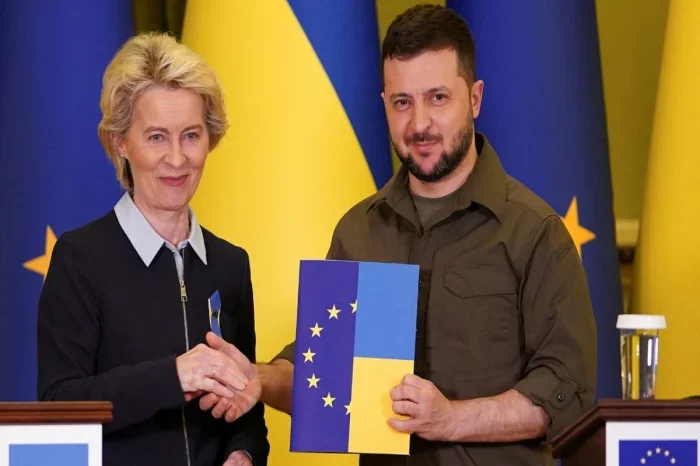
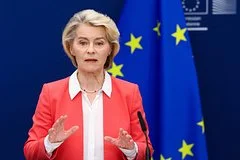
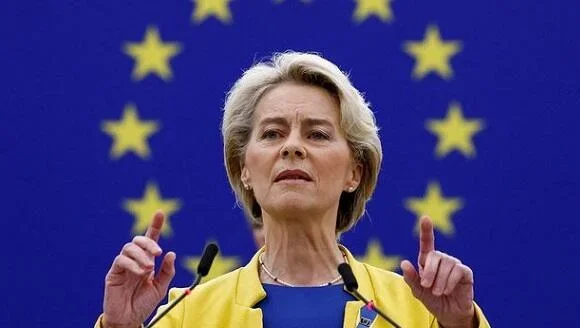
Operative Information Center-OMM reports that the disagreement became particularly evident during the Munich Security Conference. European Commission President Ursula von der Leyen indirectly criticized Rutte's assertion that "European defense is impossible without the US," emphasizing instead the necessity of strategic autonomy.
During her address, Ursula von der Leyen highlighted several critical points regarding the future of European security:
- Independence: Europe must continuously develop its internal strength and defense capabilities without relying solely on external partners.
- Alternative paths: The current situation is satisfactory for neither Europe nor the US. More effective middle grounds must be established between the status quo and fragmentation.
- Self-sufficiency: Many European leaders noted the importance of believing in the continent's self-sufficiency potential rather than merely seeking to gain the favor of US President Donald Trump.
The controversy stems from statements made by Mark Rutte on January 26, where he declared that Europe could never be fully independent in security matters without the United States. This perspective has been met with skepticism in European political circles, where there is an increasing push for the "European pillar" within NATO to be strengthened. The debate comes at a pivotal time as US President Donald Trump continues to urge European allies to increase their defense spending and take greater responsibility for regional security. Historically, the Munich Security Conference has served as a primary venue for such high-level debates on international security policy since its inception in 1963.