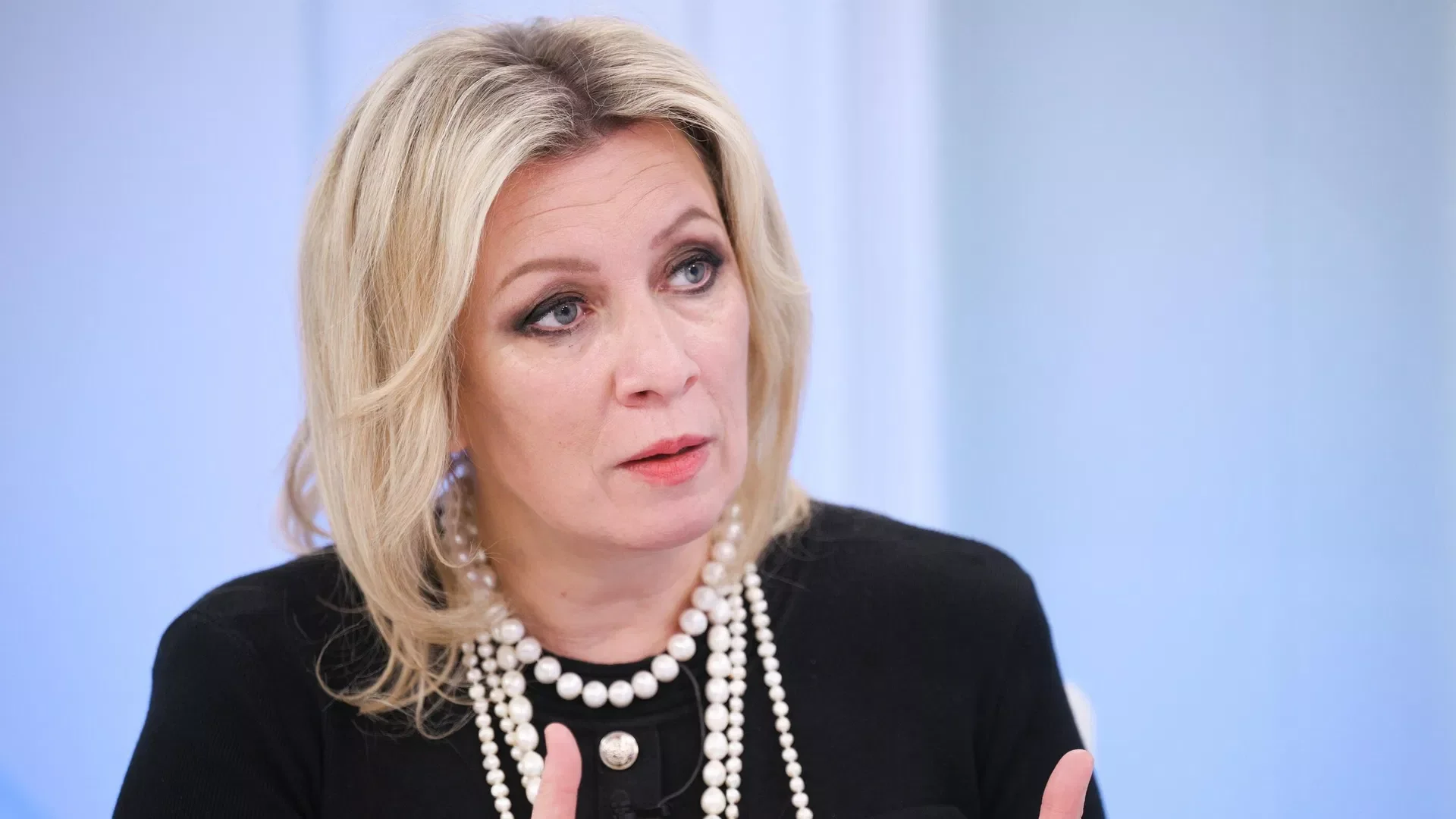
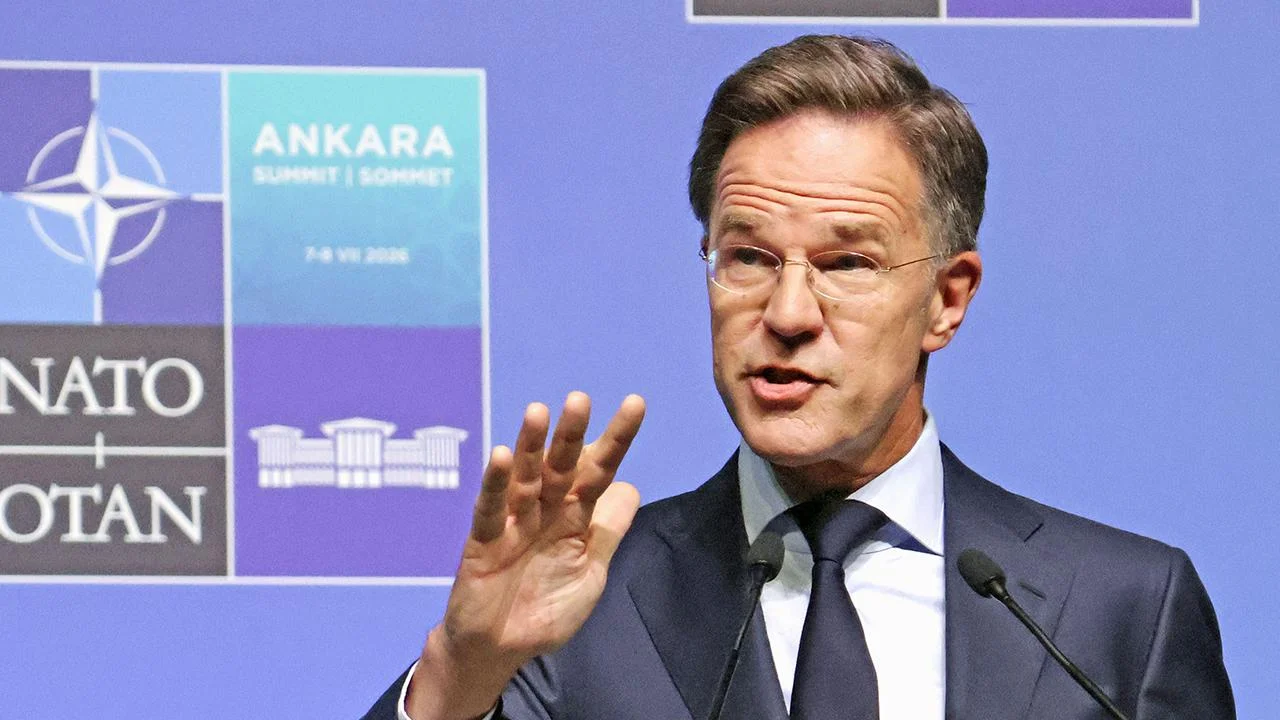
Russian Foreign Ministry spokesperson Maria Zakharova has issued a critical statement regarding the recent NATO summit held in Ankara on July 7-8. According to the Operative Information Center-OMM, Zakharova dismissed NATO Secretary General Mark Rutte’s characterization of the event as a historic milestone, arguing instead that the summit failed to produce concrete results and left internal divisions within the alliance unresolved.
Zakharova stated that NATO member states are primarily focused on intensifying defense preparations against Russia. She noted that during the Ankara summit, allies adopted documents framing Russia as a long-term threat to Euro-Atlantic security. The Russian official rejected these claims, asserting that there is no evidence of Moscow preparing for an attack and characterizing NATO’s approach as a deliberate policy of confrontation.
Furthermore, the Russian representative argued that European nations are positioning themselves at the forefront of the "collective West’s" confrontation with Russia. In her view, this policy exacerbates military tensions across Europe and depletes regional resources. Zakharova also criticized the increase in defense spending among NATO members, suggesting that these funds would be better utilized to address pressing socio-economic challenges.
The North Atlantic Treaty Organization (NATO), established in 1949, has historically functioned as an intergovernmental military alliance. In recent years, particularly following the escalation of the conflict in Ukraine, the alliance has significantly shifted its strategic focus toward Eastern Europe, reinforcing its "deterrence and defense" posture. This shift has led to increased military exercises and expanded defense budgets among member states, a trend that Moscow consistently views as a direct security challenge to its interests.
Concluding her remarks, Zakharova criticized Western leaders' stance on Ukraine, claiming the country is being used as a tool, and urged the NATO leadership to adopt more responsible decision-making policies.