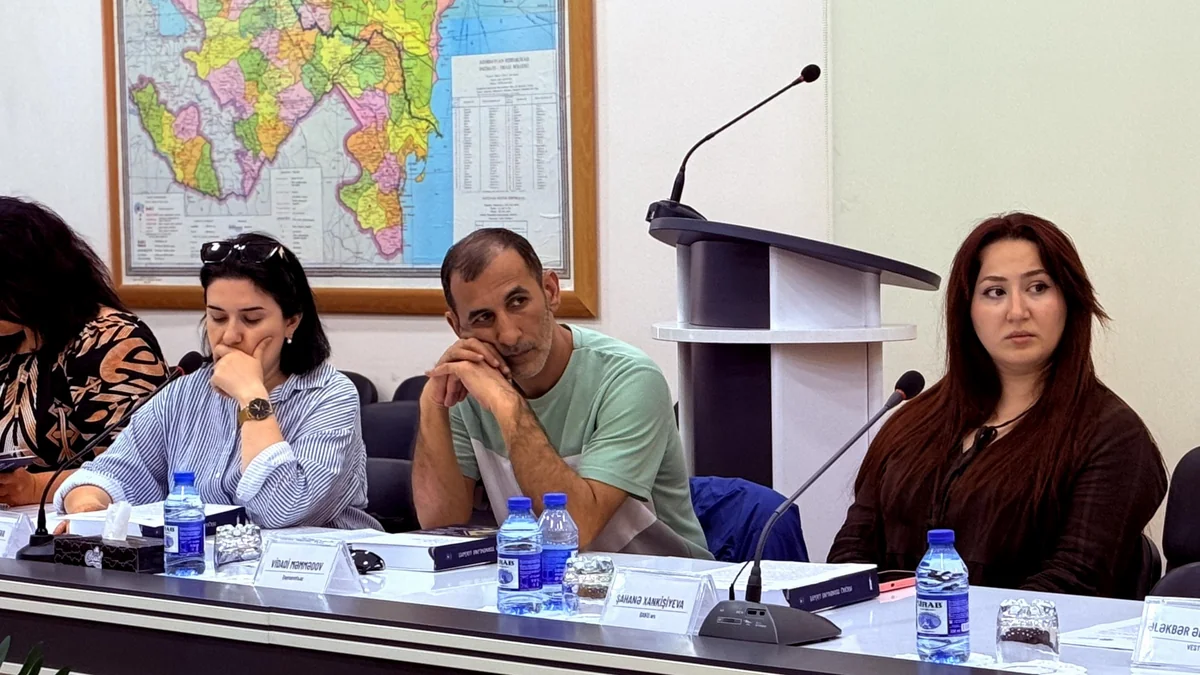
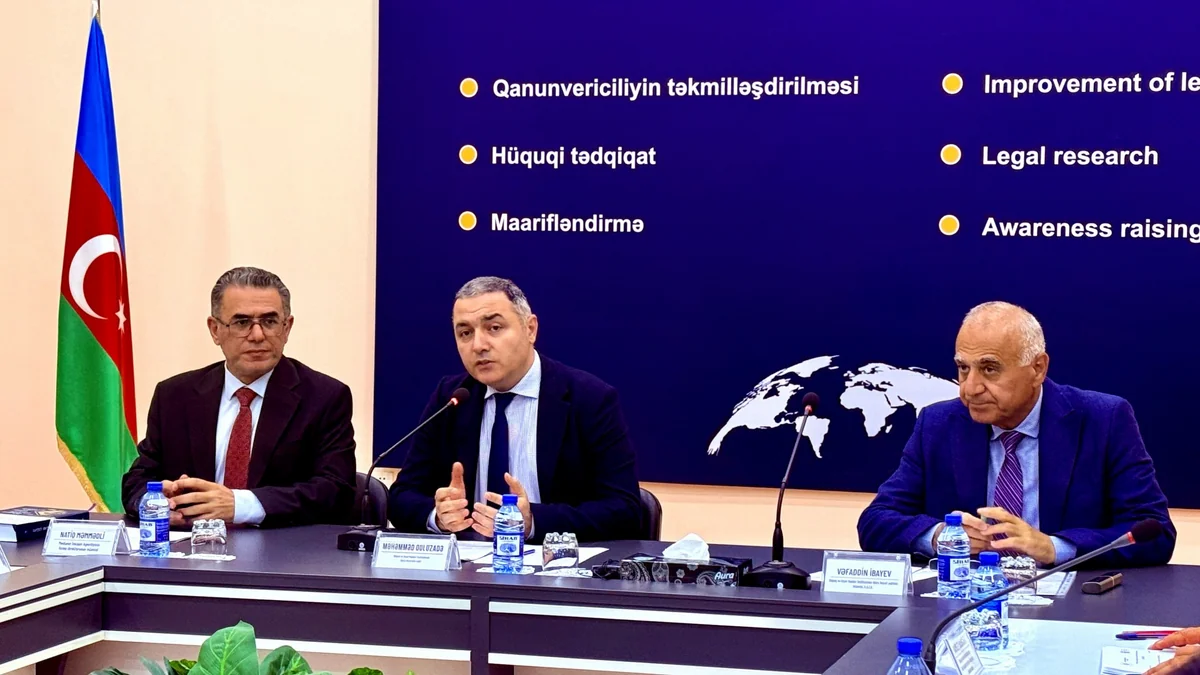
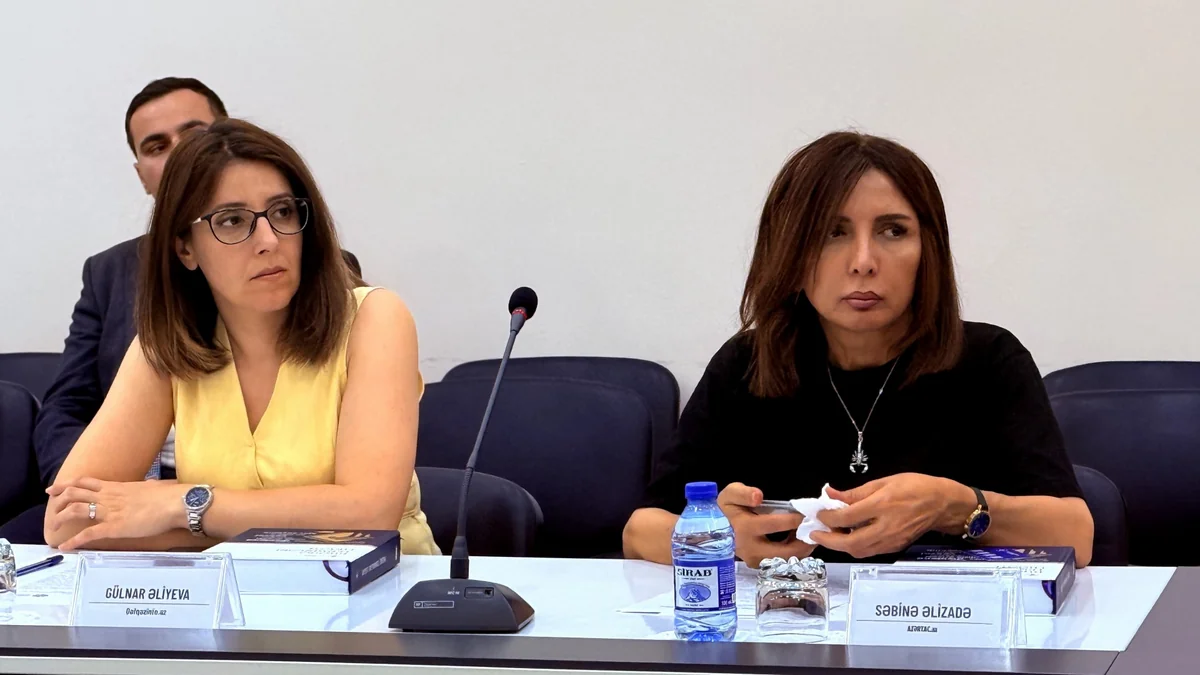
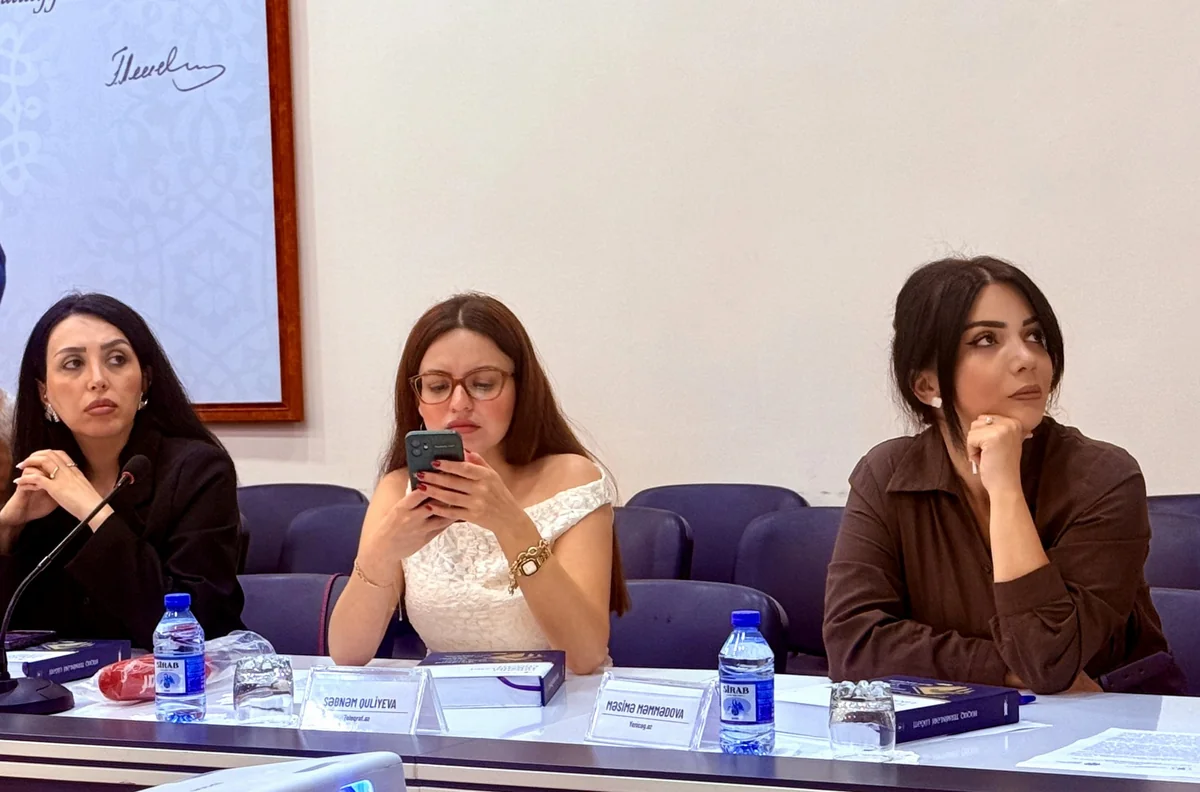
The Institute of Law and Human Rights, in collaboration with the Media Development Agency, has organized an educational session titled "Media and Human Rights" for media representatives as part of the "Human Rights Month" initiative.
Operative Information Center-OMM reports that the primary objective of the event was to increase journalists' awareness regarding the legislative requirements and ethical standards for protecting human rights while carrying out their professional duties.
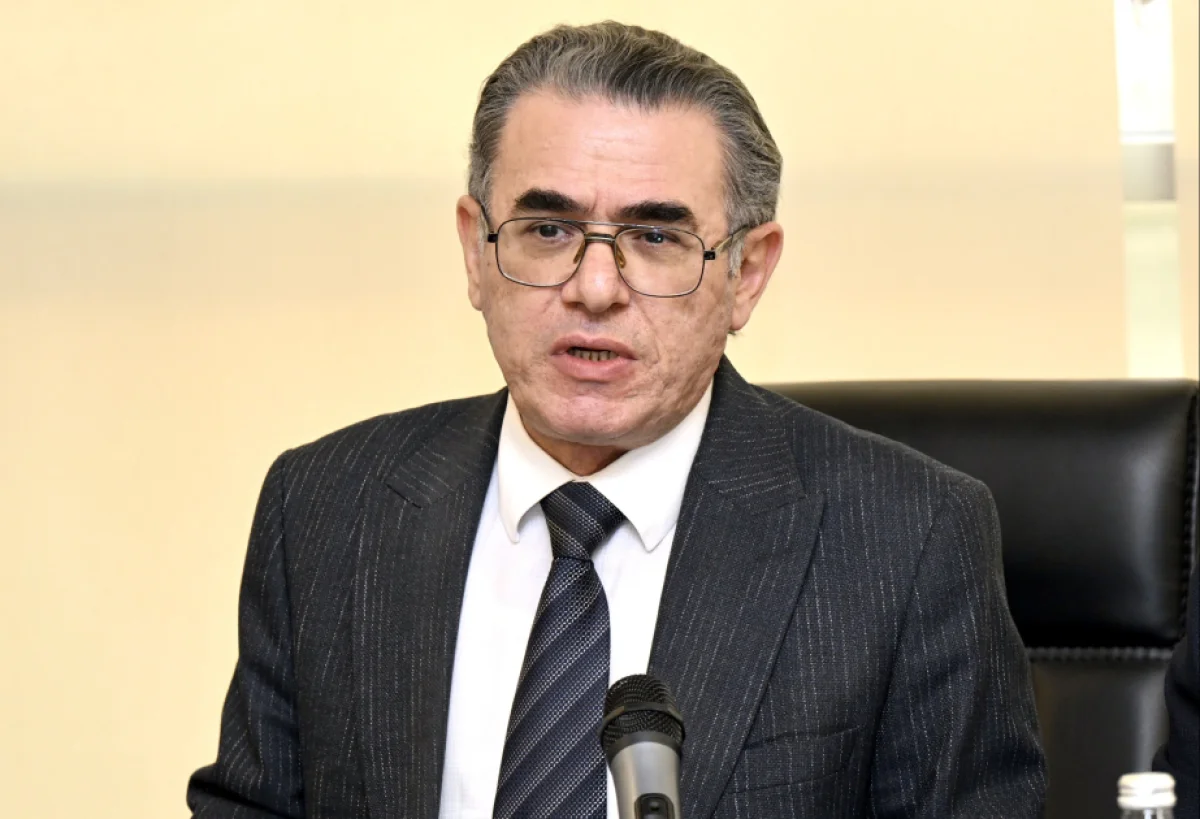
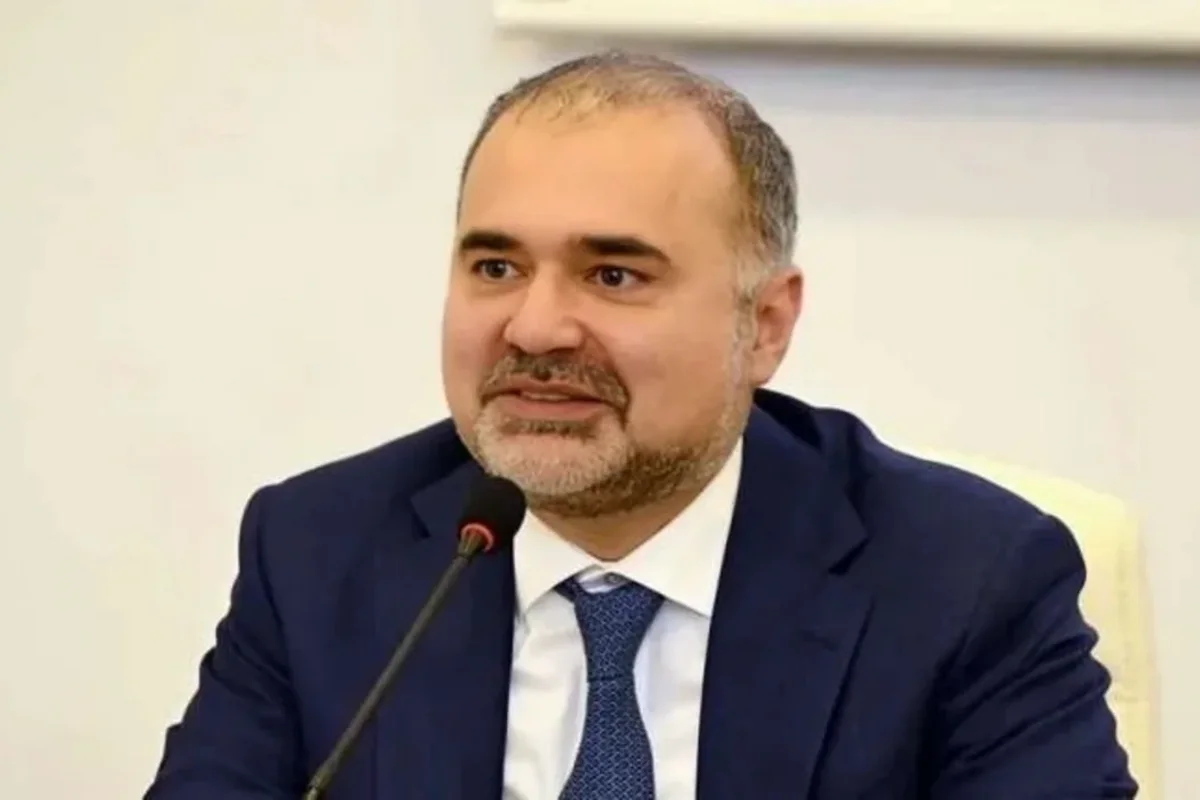
Mahammad Guluzade, Chairman of the Board of the Institute of Law and Human Rights, emphasized that media representatives play a crucial role in promoting human rights and shaping public consciousness.
"We regularly conduct analyses and monitor materials published across various media resources to assess the current approach to human rights within the media landscape. While our findings indicate that journalists' awareness and professional skills in the field of human rights are improving, there are still instances in some news reports that require additional attention regarding the protection of human rights and the application of ethical journalism principles," Guluzade stated.
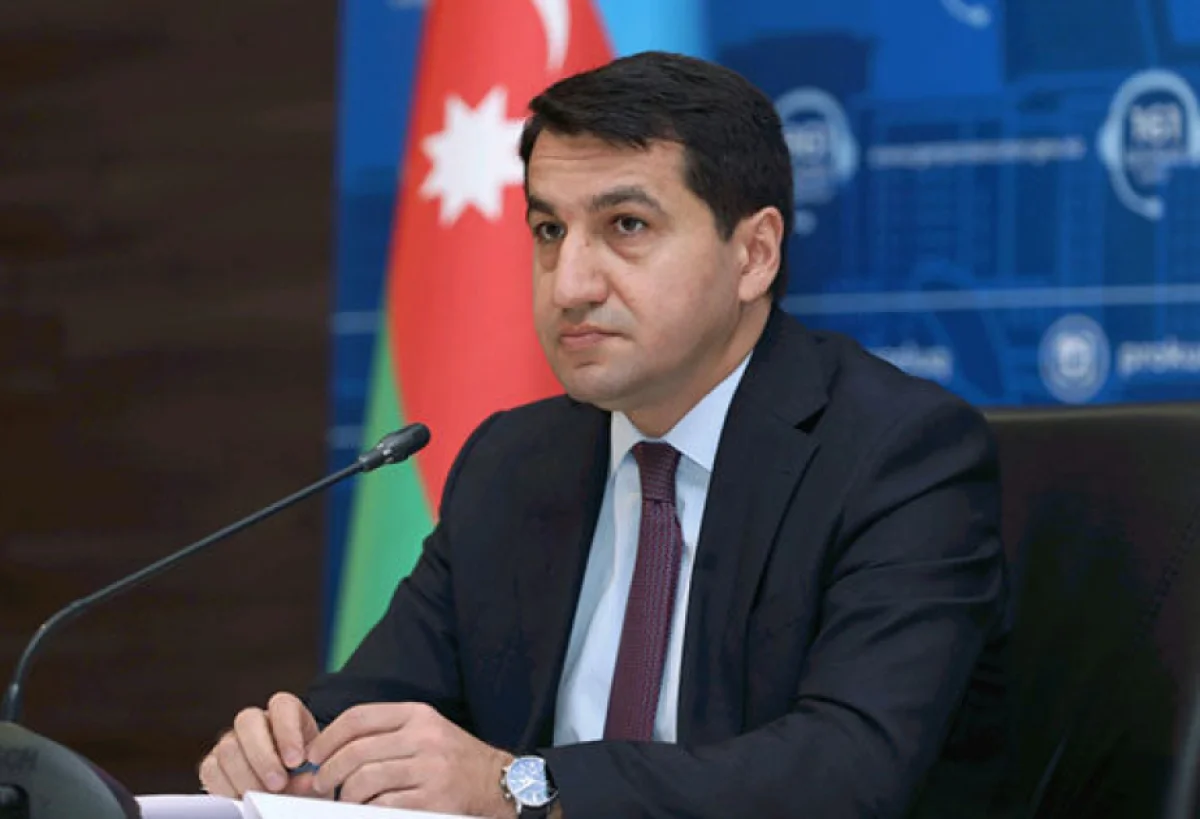
Natiq Mammadli, Deputy Executive Director of the Media Development Agency, highlighted the significant responsibility media outlets bear in protecting human rights.
"Journalists must respect human rights, adhere to professional ethics, and comply with legislative requirements when preparing and disseminating information. These principles must be an integral part of their daily activities. Responsible conduct by media representatives in the defense and protection of human rights must be consistent and ongoing," Mammadli noted.
During the session, expert trainers from the Institute of Law and Human Rights provided detailed information on common human rights violations in journalistic practice and their legal consequences. Participants were specifically cautioned against violating the presumption of innocence, interfering in personal and family life, unauthorized disclosure of personal data, and infringing on children's rights. The session also addressed the inadmissibility of disseminating materials that promote discrimination or hate speech, the importance of adhering to ethical guidelines when reporting on suicides, and the legal repercussions of publishing defamatory or insulting content. It was emphasized that actions leading to human rights violations carry legal liability as established by the legislation of Azerbaijan.
The Institute of Law and Human Rights frequently engages in such capacity-building initiatives to foster a more professional and rights-conscious media environment in Azerbaijan, aligning national media practices with international standards.