Italy is currently grappling with severe consequences stemming from an ongoing, anomalous heatwave. According to the Operative Information Center-OMM, citing international media reports, preliminary data indicates that at least five people have died due to the sharp rise in temperatures across the country.
Among the victims are outdoor workers and elderly individuals, who are particularly vulnerable to the extreme conditions. Meteorological forecasts suggest that temperatures are expected to reach 41 degrees Celsius over the weekend. Consequently, authorities have issued a "red alert," the highest level of danger, in 18 cities across Italy.
The extreme heat is impacting not only public health but also the country's critical infrastructure. Disruptions in electricity supply and technical failures have complicated daily life. In Milan, fire brigades have conducted over 60 rescue operations to assist citizens trapped in elevators. Cultural institutions are also affected; the renowned Uffizi Gallery in Florence has temporarily suspended ticket sales due to malfunctions in its air conditioning system.
The agricultural sector has also suffered significant damage from the natural disaster, with projections suggesting that water shortages and heat could cause losses amounting to 1.5 billion euros.
Italian Health Minister Orazio Schillaci convened an emergency meeting at the ministry to address the crisis. The minister emphasized the necessity of implementing essential protective measures, particularly for vulnerable groups such as the elderly, children, and those with pre-existing health conditions.
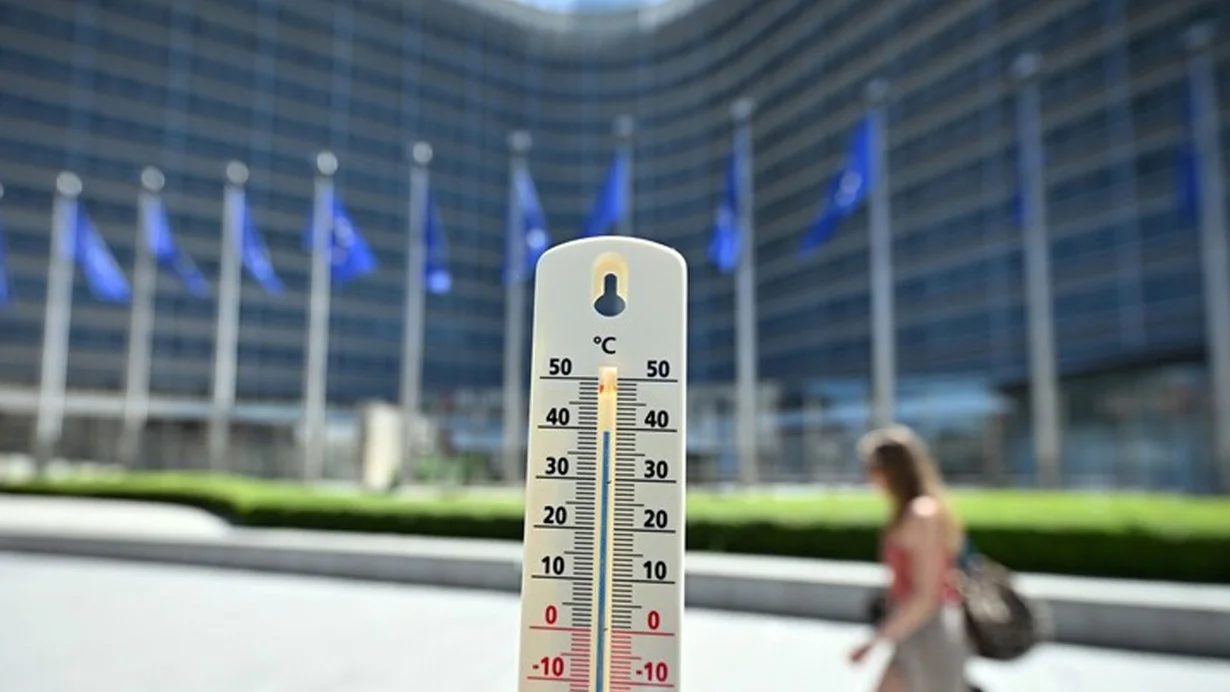
It is worth noting that similar extreme weather conditions are currently being observed in Belgium, where a "red alert" has also been implemented. Heatwaves in Europe have become increasingly frequent and intense in recent years, a trend that climate scientists attribute to broader global climate change patterns, necessitating long-term adaptation strategies for urban infrastructure and public health systems.