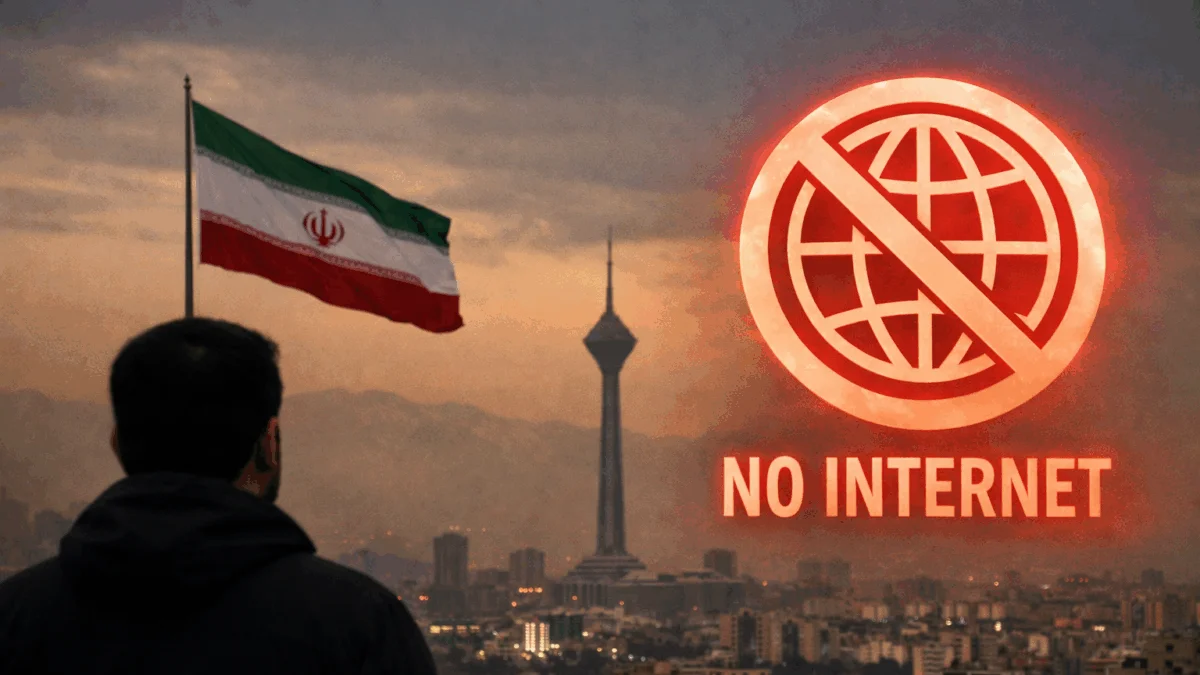
The global internet monitoring service NetBlocks has announced that Iran has been largely disconnected from the global internet for 74 days, with the total duration of the disruption reaching 1,752 hours.
Operative Information Center-OMM reports that the organization shared this data on the X social media platform, noting that the systematic internet restrictions began on February 28. According to NetBlocks, these digital limitations have persisted across the country, creating a significant technological gap as digital infrastructure continues to advance rapidly in other regions of the world.
The monitoring group further noted that the Iranian authorities have accompanied these restrictions with the arrest and imposition of severe penalties on several technologists and digital activists. Official sources in Tehran have justified the ongoing internet disruptions by citing "security reasons," maintaining that the measures are temporary in nature despite the prolonged duration of the blackout.
Internet shutdowns and digital censorship are frequently utilized by various administrations to control the flow of information during periods of domestic unrest or political sensitivity. Such measures often impact not only social communication but also the broader economy, affecting banking, education, and international trade. International human rights organizations have repeatedly criticized these blockades, emphasizing that access to information is a fundamental right in the modern digital era.