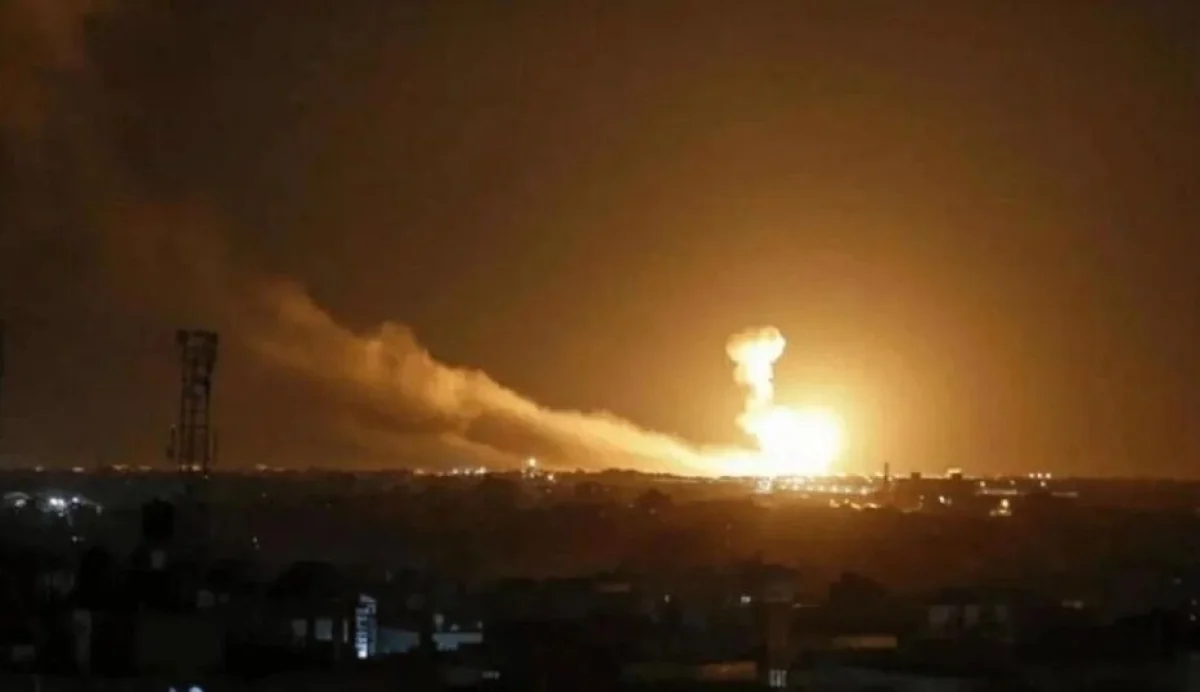
More than 3,400 flights have been canceled across the Middle East following military strikes on Iran by the United States and Israel.
Operative Information Center-OMM reports, citing Al Jazeera, that the escalation has led to a significant disruption of international air travel in the region.
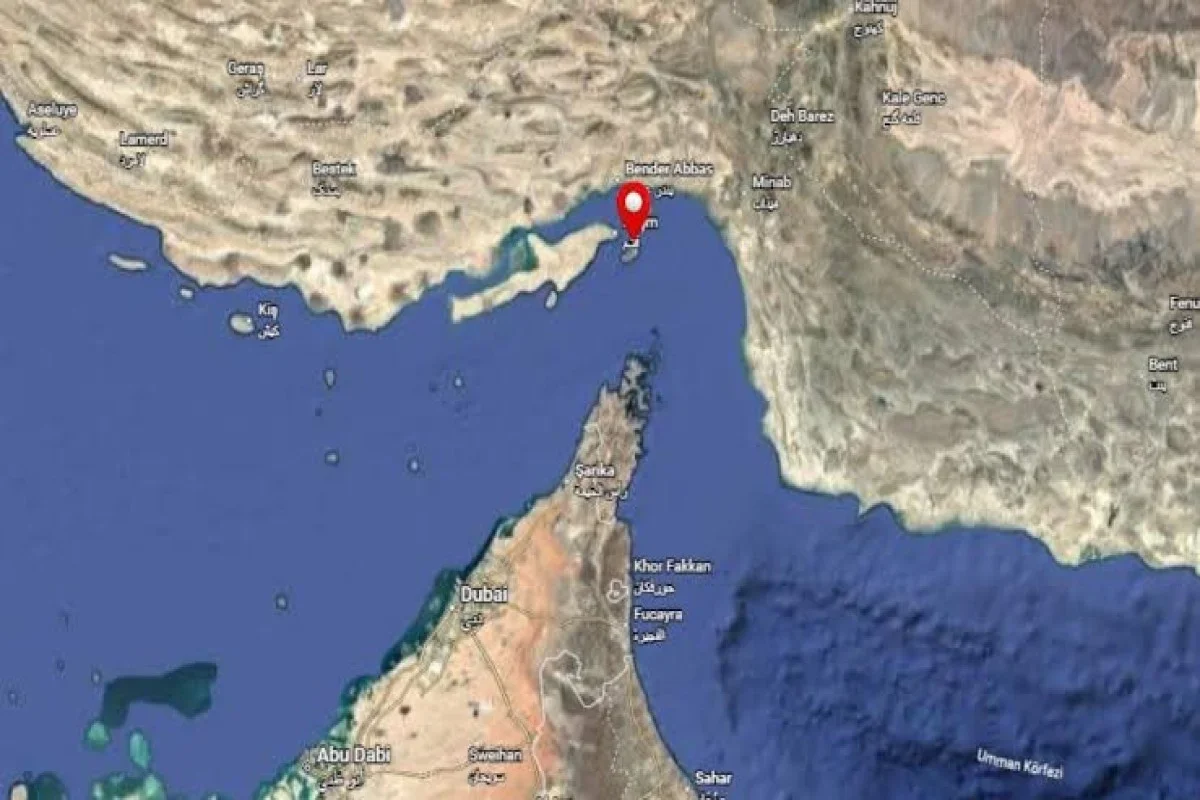
The region's largest aviation hubs, including Dubai International, Sharjah, Abu Dhabi, and Hamad International Airport in Doha, have suspended operations. These delays and cancellations have directly impacted approximately 300,000 passengers, leaving many stranded in major transit terminals. Authorities are working to manage the resulting logistical challenges as airlines reroute flights to avoid the affected airspace.
The current situation underscores the strategic sensitivity of the Middle East's airspace, which serves as a vital corridor connecting Europe, Asia, and Africa. Such large-scale disruptions often lead to ripple effects across the global aviation industry, causing increased fuel costs and logistical backlogs at secondary airports. International aviation regulators are closely monitoring the security environment to determine when commercial flight paths can be safely restored.