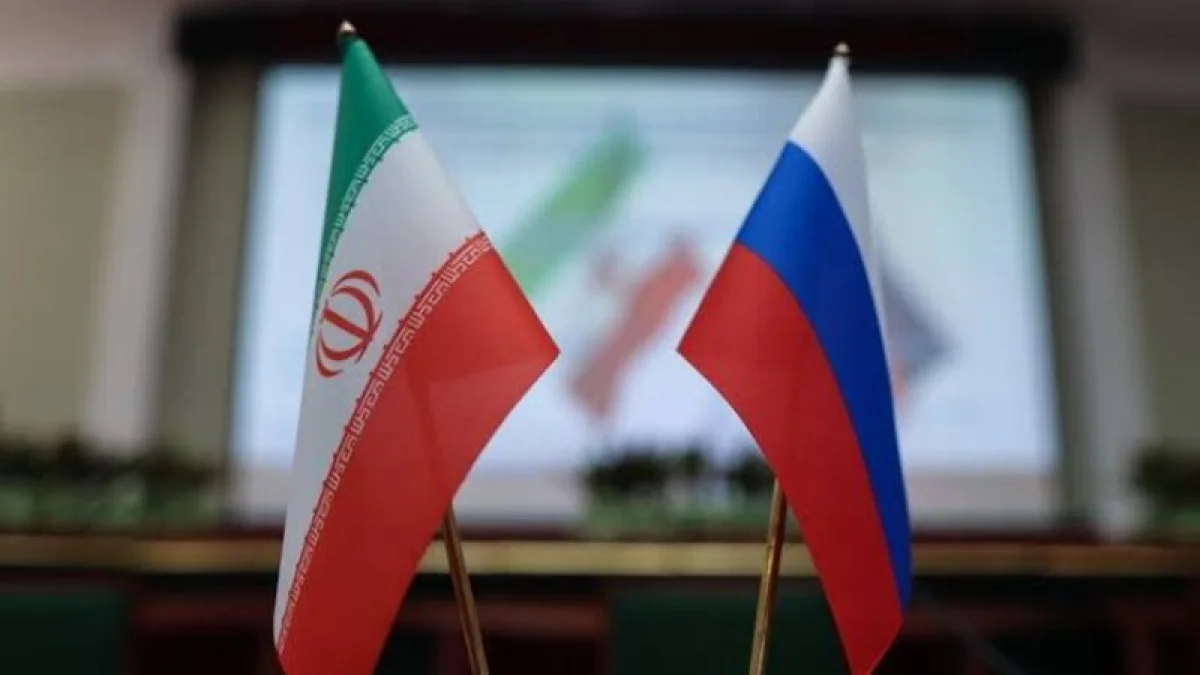
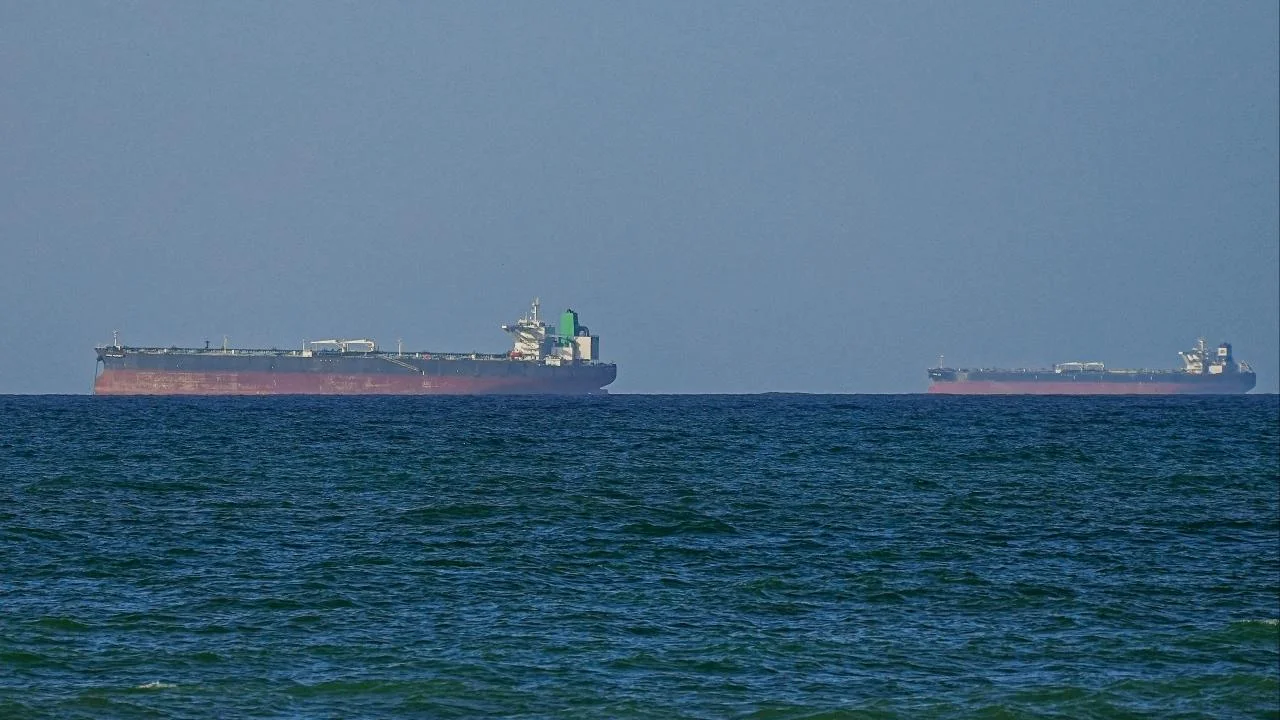
Iran continues to prevent vessels owned by or affiliated with the United States and Israel from passing through the Strait of Hormuz, citing a response to what it describes as aggressive actions against the Iranian people.
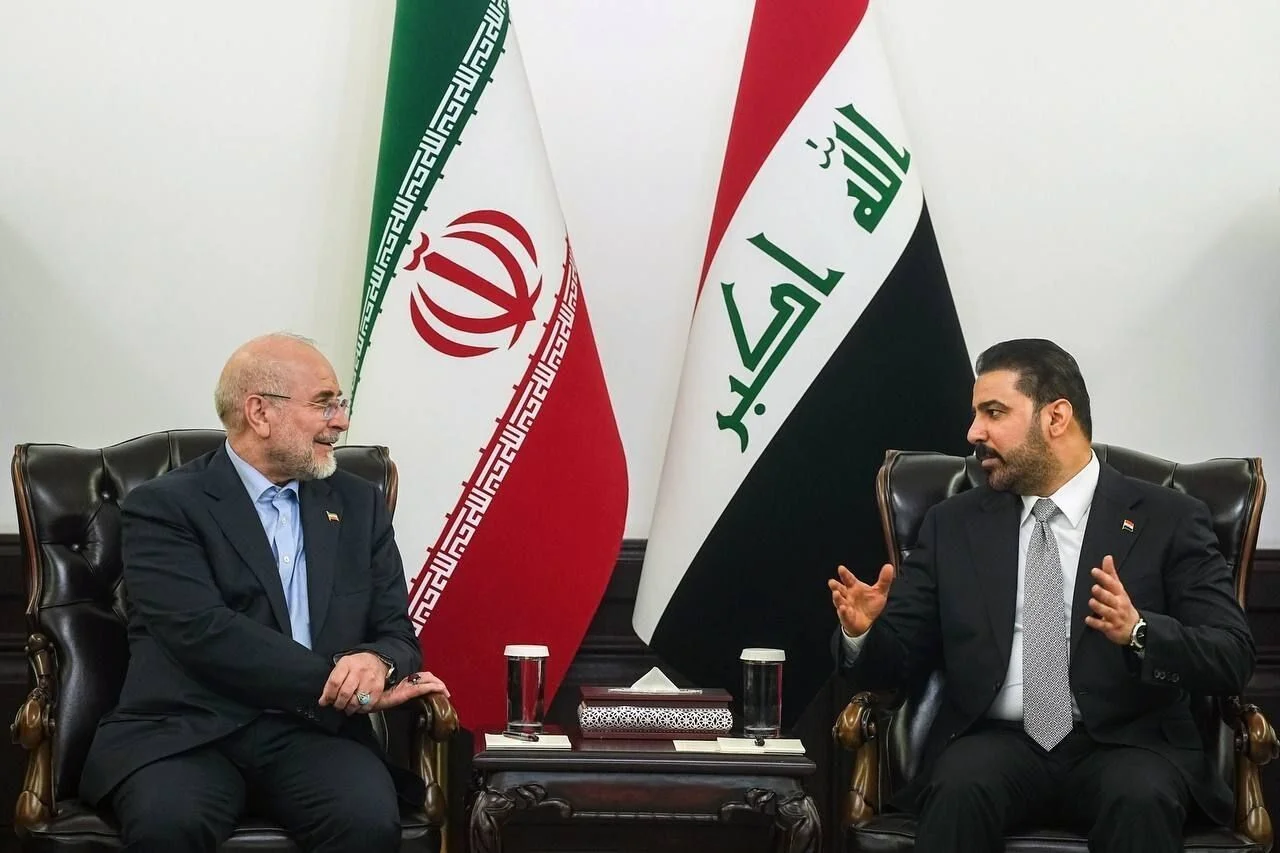
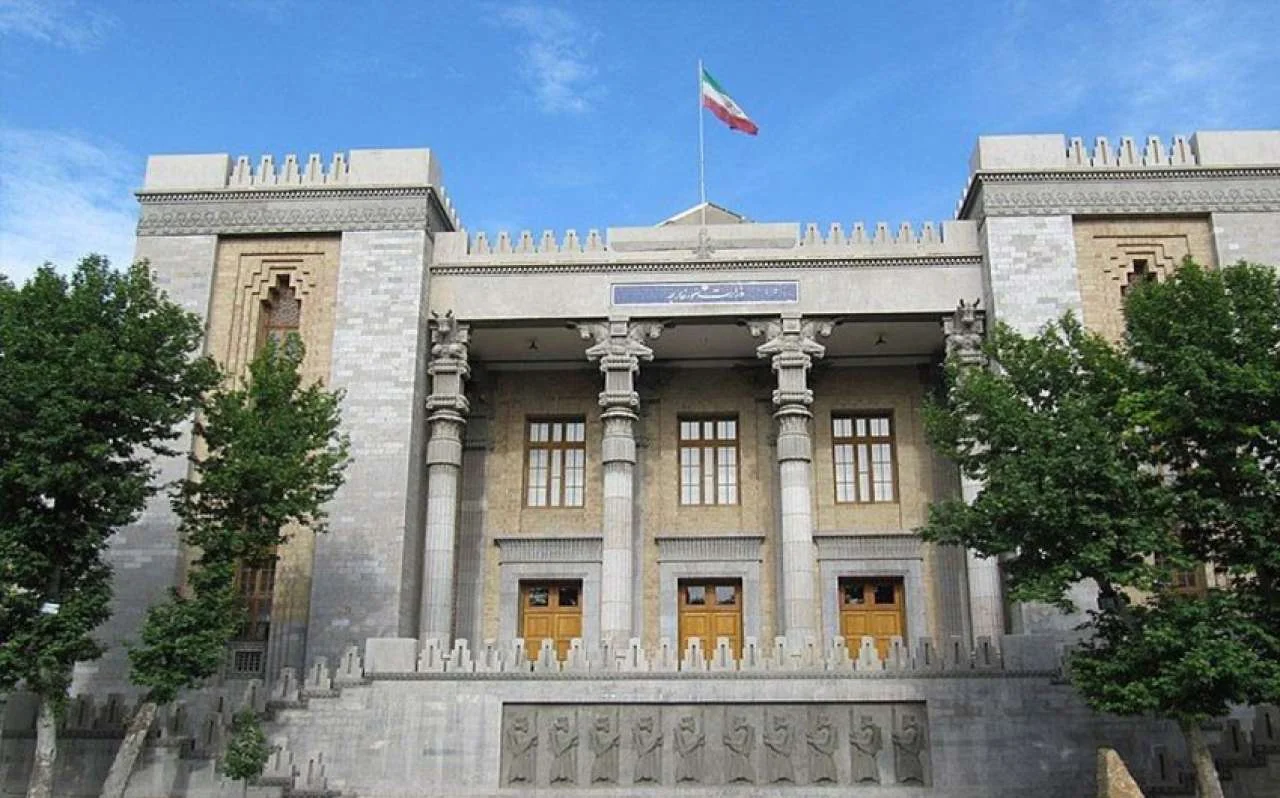
Operative Information Center-OMM reports that this was announced by Esmaeil Baghaei during a press conference. Baghaei stated that recent discussions regarding the situation in the Strait of Hormuz took place at the level of deputy foreign ministers between Iran and Oman, emphasizing that both nations share mutual concerns as coastal states responsible for ensuring safe passage through the strategic waterway.
The spokesperson noted that Iran has implemented a series of "security measures" based on international law and will not permit the transit of hostile vessels. Simultaneously, specific protocols are being applied to facilitate the passage of non-hostile ships. Baghaei added that consultations with Oman are ongoing to ensure the secure navigation of vessels and will continue until satisfactory results are achieved. Regarding Pakistani vessels, he clarified that Iran maintains monitoring measures to prevent criminal actions by adversaries, confirming that Pakistani ships are among those designated for safe passage.
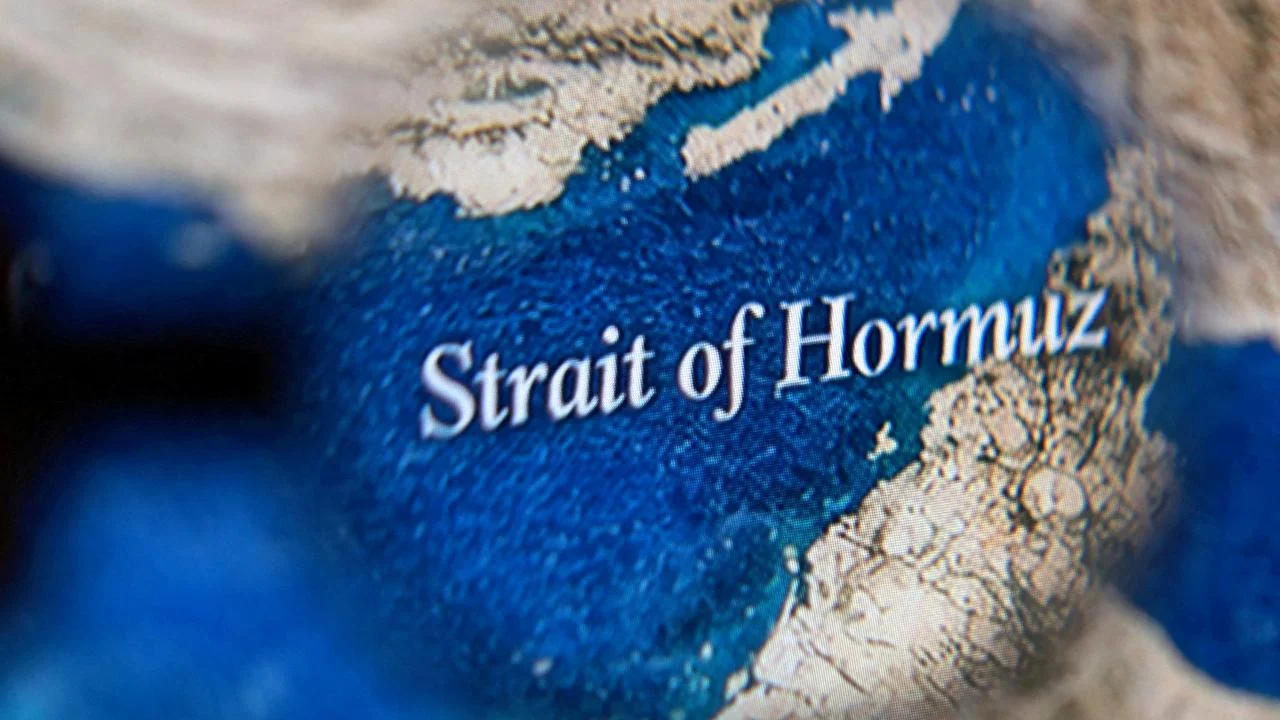
The Strait of Hormuz is one of the world's most vital maritime chokepoints, situated between Oman and Iran. It connects the Persian Gulf with the Gulf of Oman and the Arabian Sea, serving as the primary route for approximately one-fifth of the world's total oil consumption. Given its strategic importance, any restrictions on transit through the strait often lead to increased regional tensions and fluctuations in global energy markets. Iran has historically asserted its role as a primary guardian of security in these waters, frequently conducting naval exercises and monitoring international shipping traffic to assert its sovereign interests.