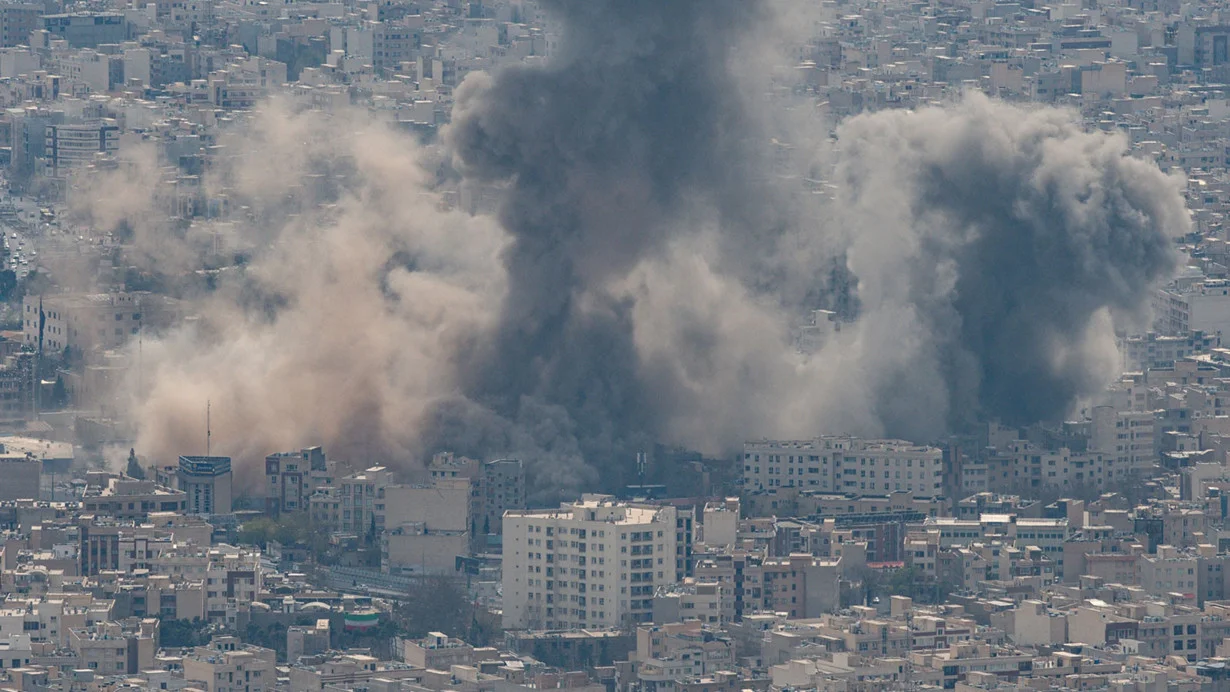
Official Tehran has issued conflicting messages regarding a United States peace proposal reportedly delivered to Iran via Pakistan on Wednesday. While the Iranian government has put forward its own counter-proposal to end the ongoing regional conflict, the international community remains watchful of the escalating tensions in the Middle East.
Uncertainty surrounds response to peace plan
Unnamed Iranian officials have provided varying statements concerning the 15-point peace plan presented by the administration of US President Donald Trump. While one official informed state media that Iran had rejected the proposal, another source told "Reuters" that the document is still under review. Despite the discrepancy, both sources emphasized that Tehran's initial stance toward the US proposal was not positive. Simultaneously, Iran has outlined its own conditions for a cessation of hostilities, which include a total end to aggression and the payment of reparations.
Gulf nations demand action from Iraq
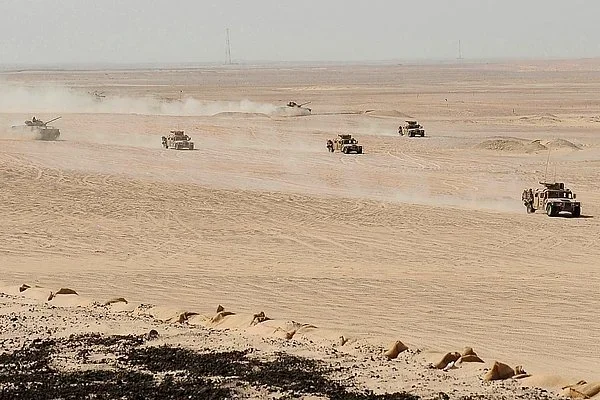
In a coordinated diplomatic move, five Gulf nations and Jordan have demanded that the Iraqi government take decisive action to prevent Iran-backed groups within its borders from launching attacks on neighboring states. The joint statement specifically condemned the activities of groups such as "Hezbollah." In response to the regional pressure and recent strikes, Iraqi Prime Minister Mohammed Shia al-Sudani summoned the US chargé d'affaires in Baghdad to discuss attacks targeting Iraqi military units.
Energy concerns and airspace restrictions in Europe and Middle East
- The French Finance Minister stated that France is better prepared to handle the energy crisis resulting from the Middle East conflict compared to previous years.
- The German Chancellor noted that the government would not be able to compensate for every price increase resulting from the regional instability.
- Bahrain and Kuwait have extended the closure of their airspace for a 26th consecutive day due to the volatile security situation in the Middle East.
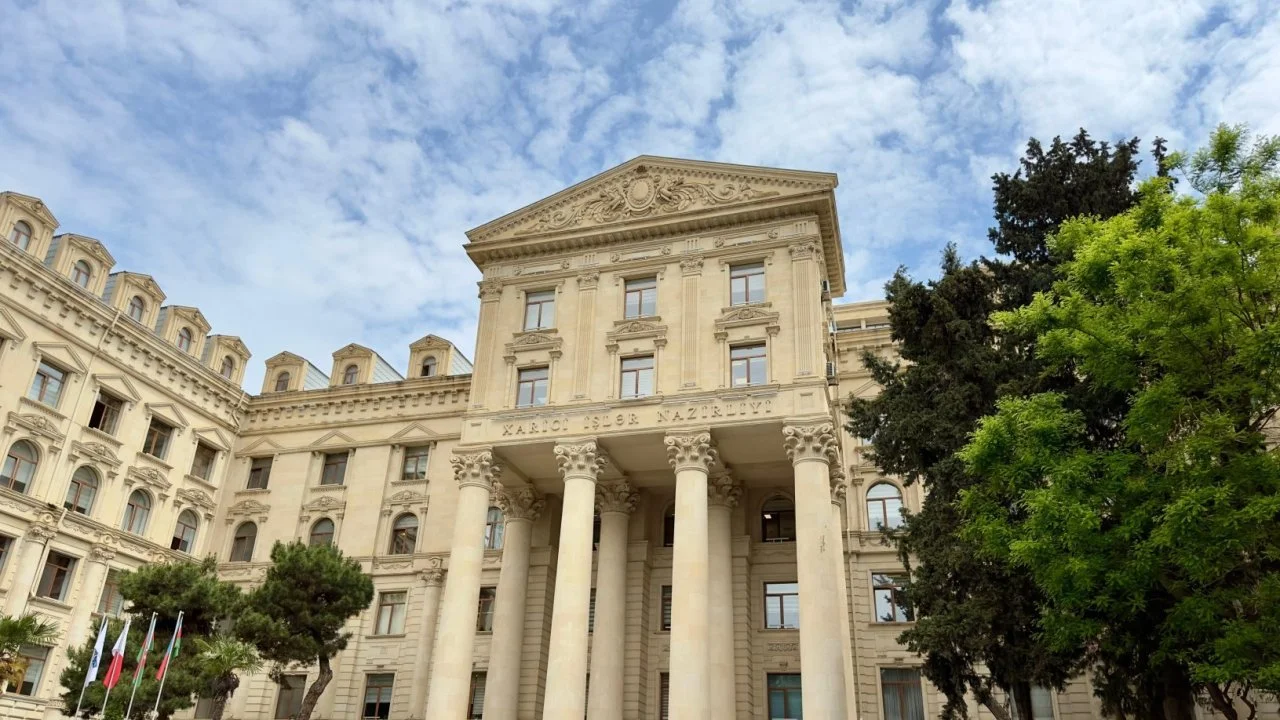
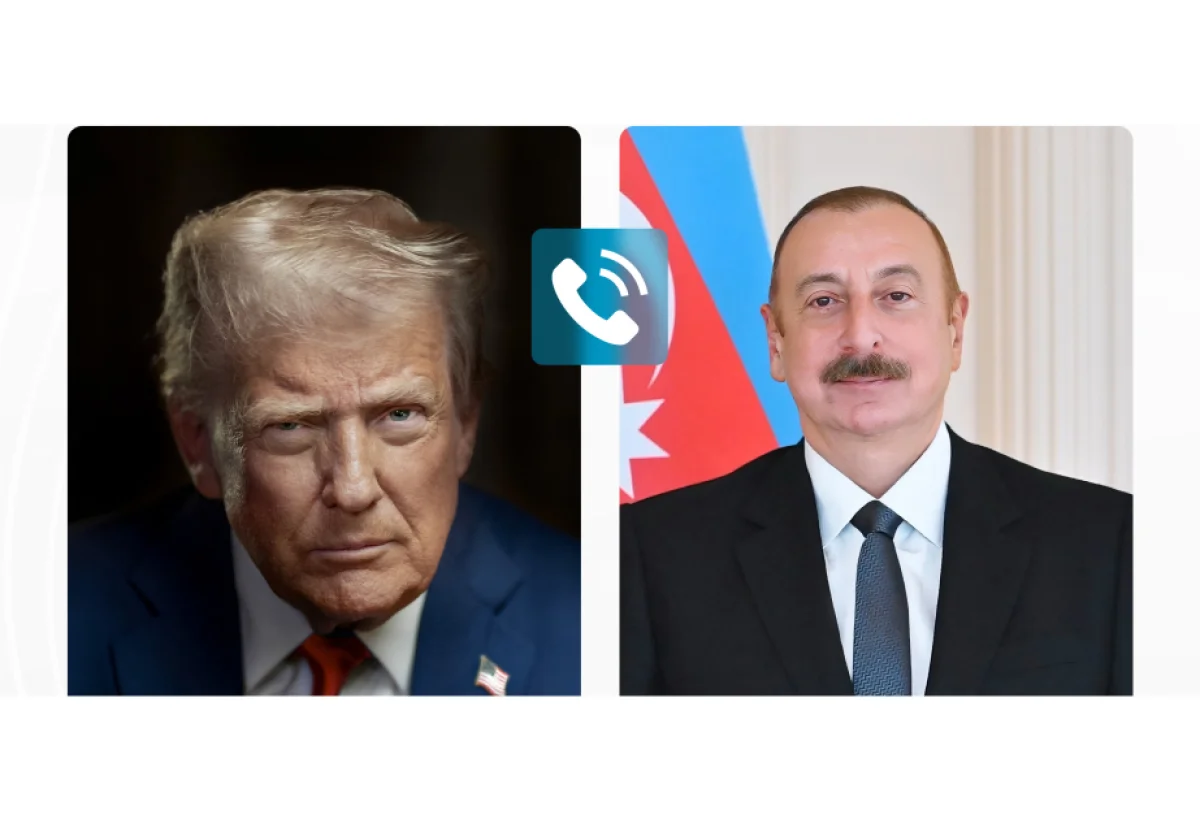
The diplomatic standoff comes at a time of heightened regional sensitivity. The involvement of Pakistan as a mediator highlights the complex web of international relations currently at play in the Middle East. As US President Donald Trump continues to shape American foreign policy in the region, observers note that the outcome of these negotiations will have significant implications for global energy markets and international security corridors, including those affecting the South Caucasus and Azerbaijan.