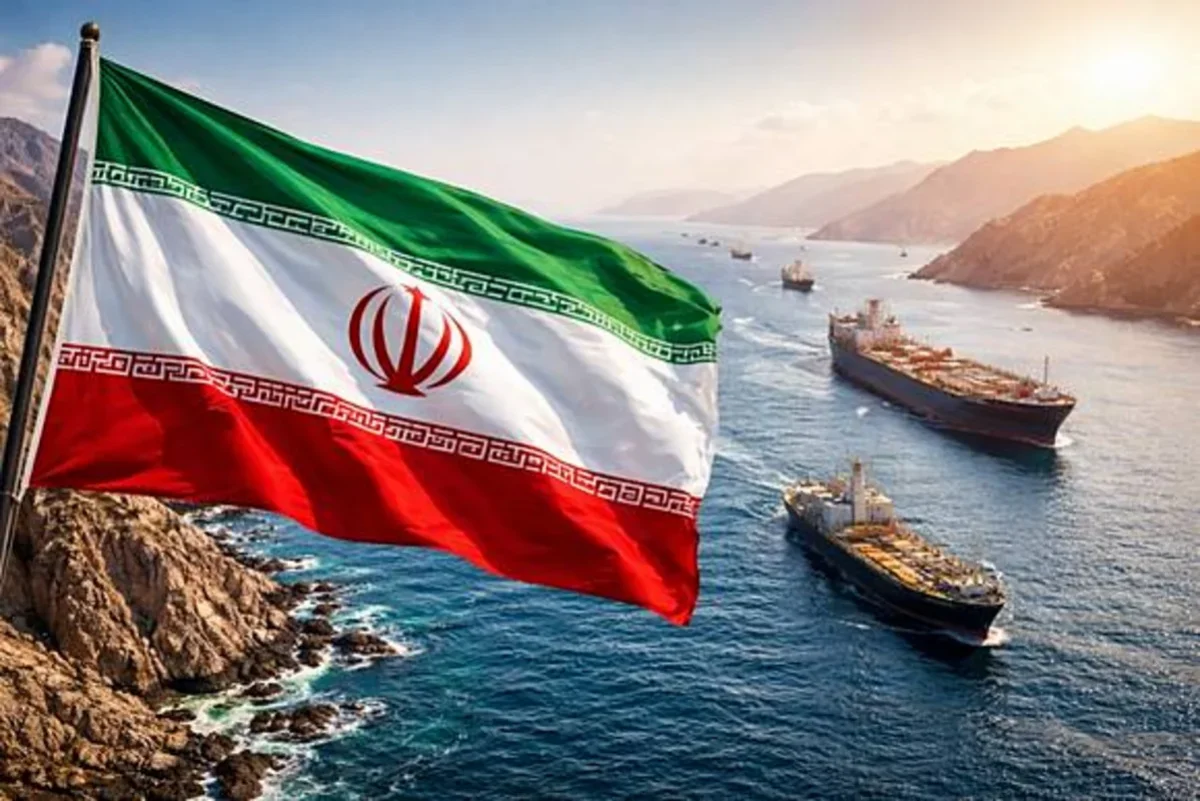
The Ansar Allah (Houthi) movement and Shia militia groups in Iraq may become active participants in the escalating conflict between Iran, the US, and Israel following the blockade of the Strait of Hormuz.
According to an analytical report by CNN, Operative Information Center-OMM reports that the closure of the strategic strait could further intensify the ongoing military confrontation in the region.
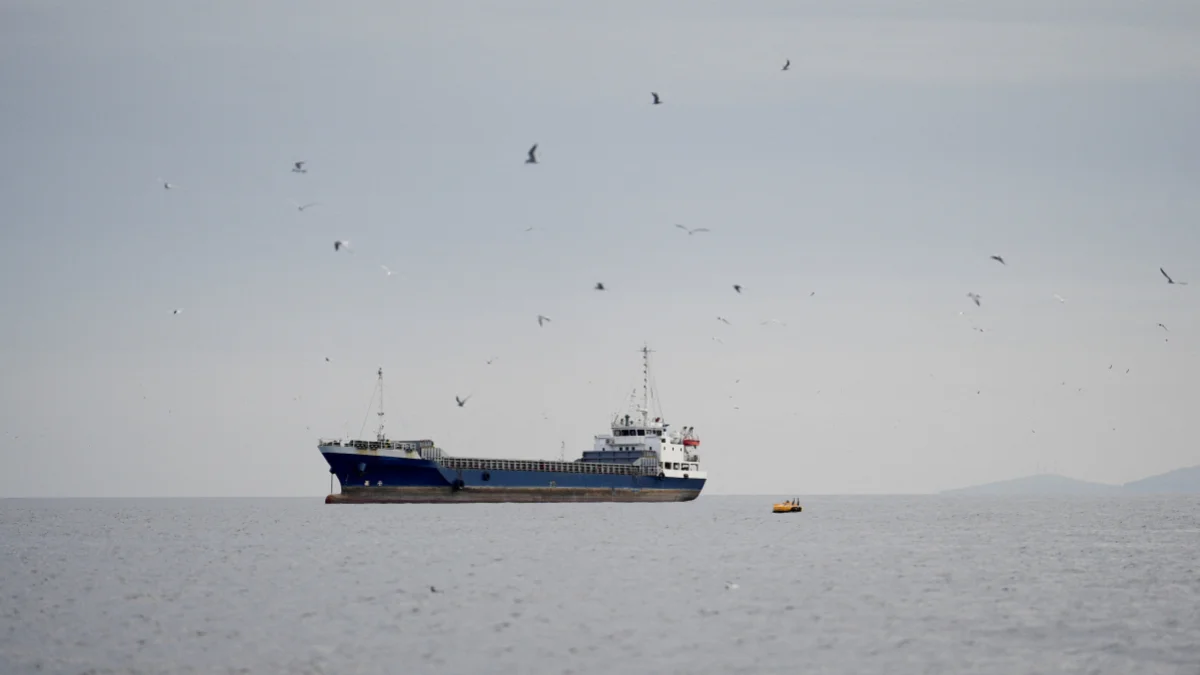
The report notes that while Iran has previously targeted energy infrastructure and US military bases in the territories of Qatar and Saudi Arabia, regional forces supported by Tehran—specifically the Houthis in Yemen and Shia militias in Iraq—could now join the conflict by launching attacks on US vessels and oil tankers, significantly expanding the theater of operations.
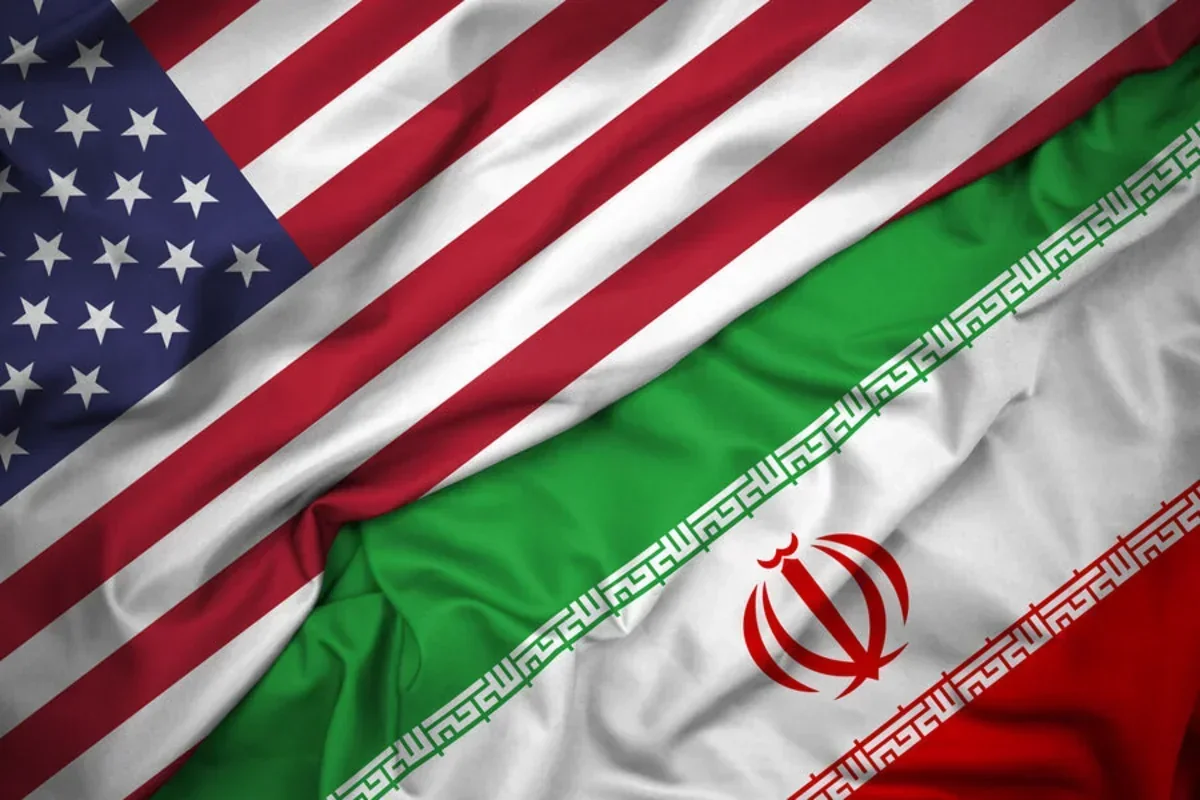
The current escalation follows the commencement of military operations by the US and Israel against Iran on February 28, which included strikes on several major cities, including Tehran. In response, the Islamic Revolutionary Guard Corps (IRGC) announced a large-scale retaliatory operation against Israel. Furthermore, Iranian authorities decided to close the Strait of Hormuz to ships associated with the US, Israel, and their supporting nations.
Despite several rounds of negotiations between Iran and the US held in Islamabad on April 11, both parties later stated that no agreement on a long-term resolution was reached due to fundamental disagreements. Consequently, US President Donald Trump's administration implemented a naval blockade against Iran on April 13.
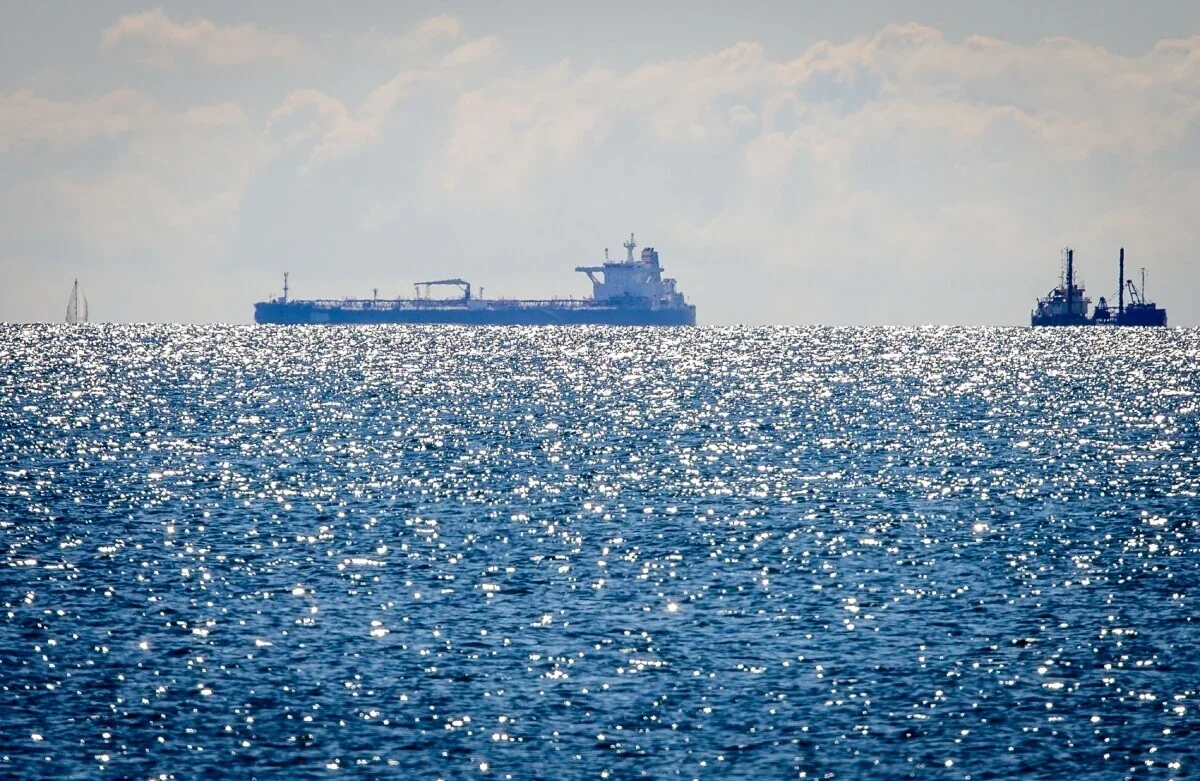
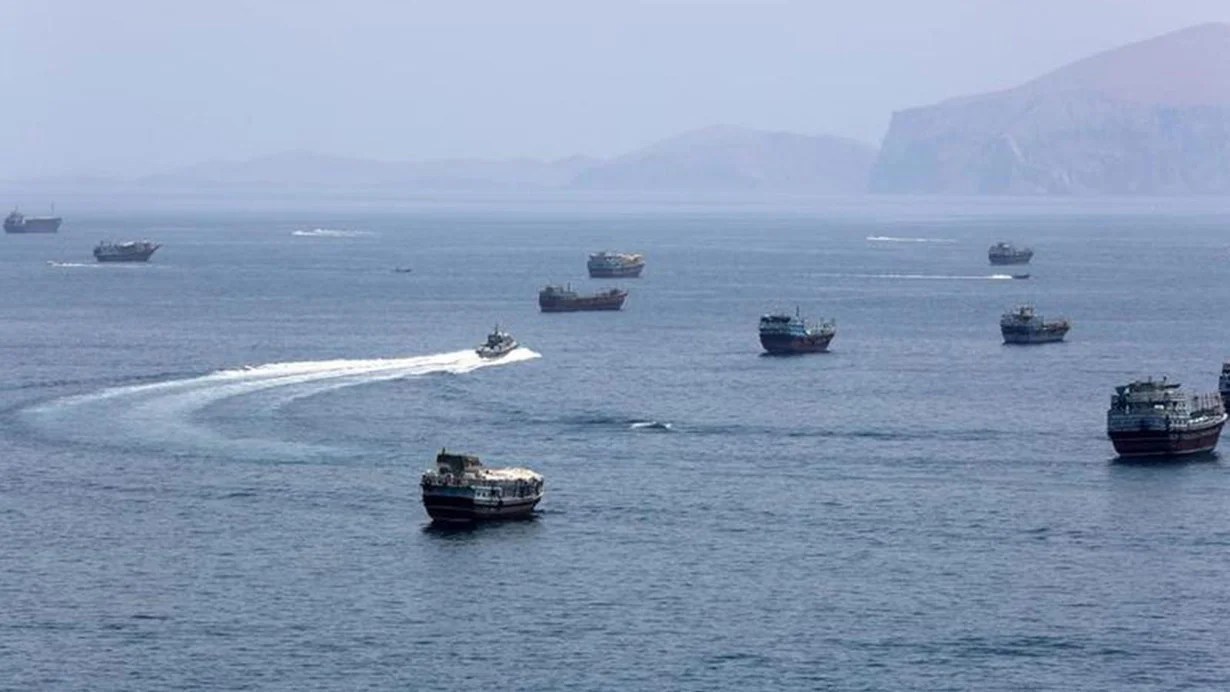
The Strait of Hormuz is one of the world's most vital maritime chokepoints, through which approximately one-fifth of the world's total oil consumption passes daily. Its closure or the disruption of traffic by non-state actors like the Houthis poses a significant threat to global energy security and international trade stability. The involvement of regional proxies marks a shift toward a broader multi-front conflict in the Middle East.