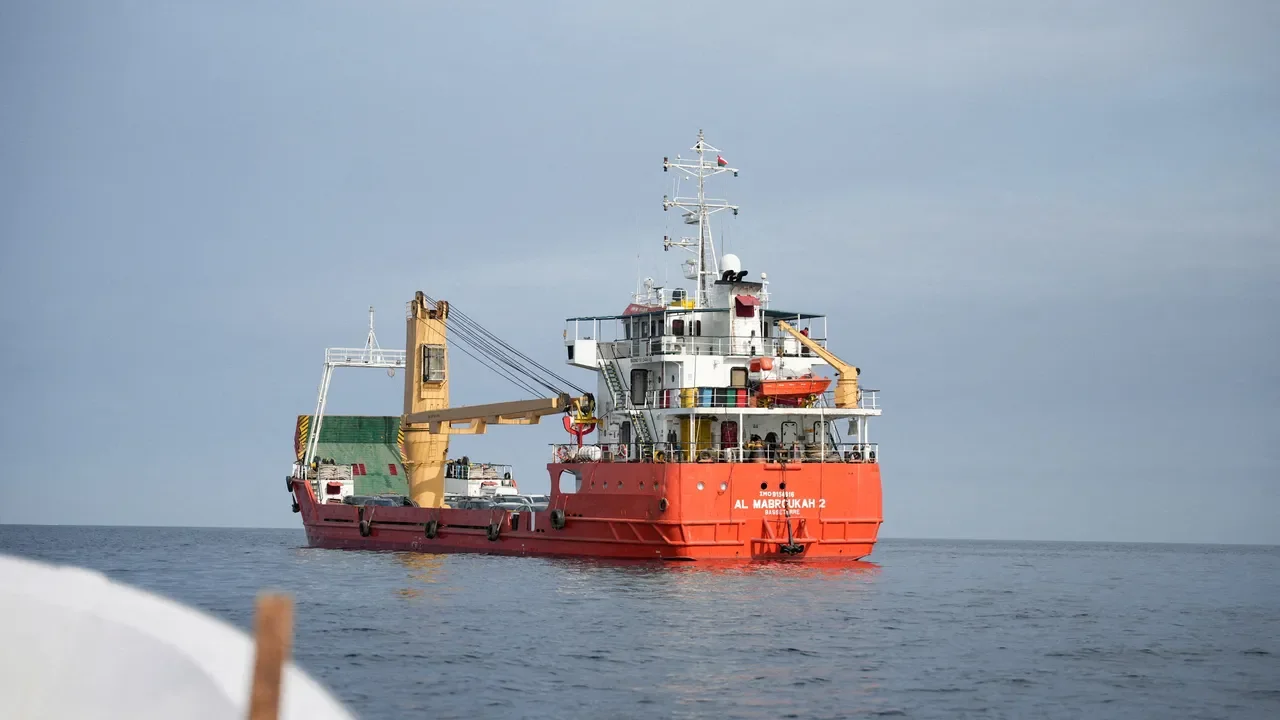
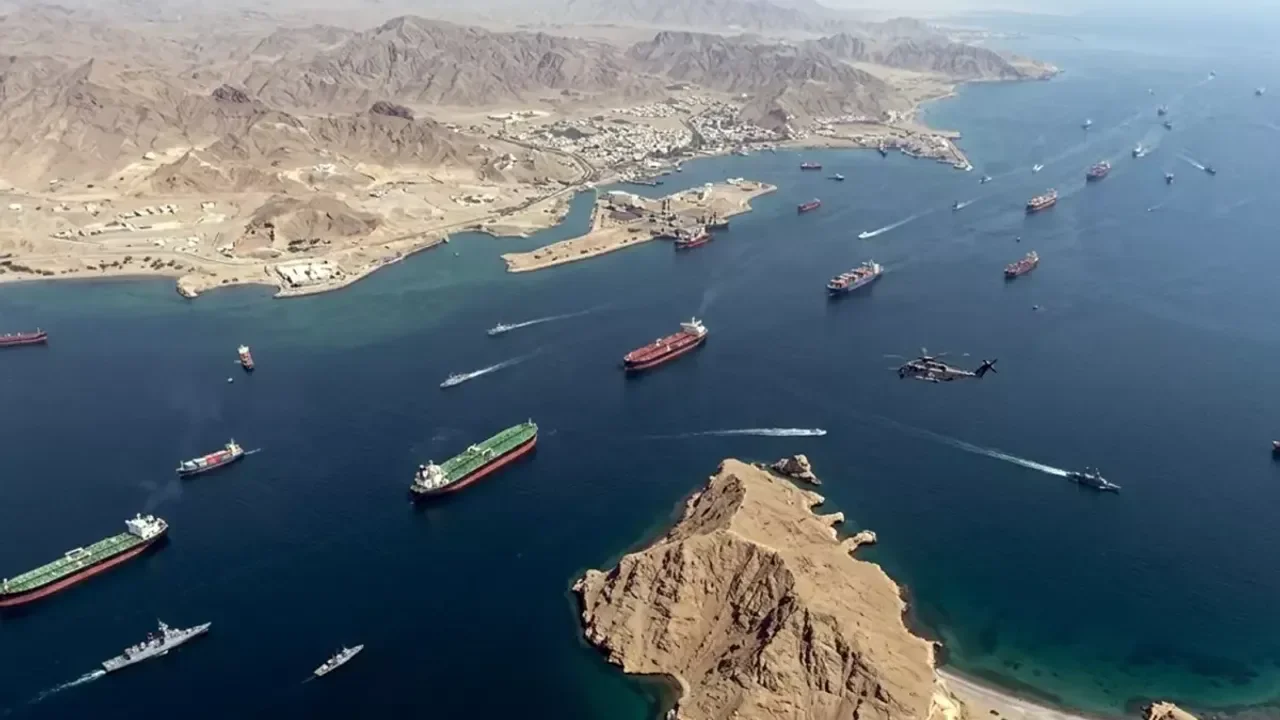
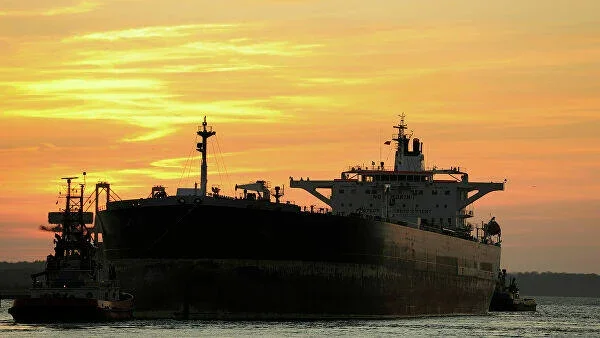
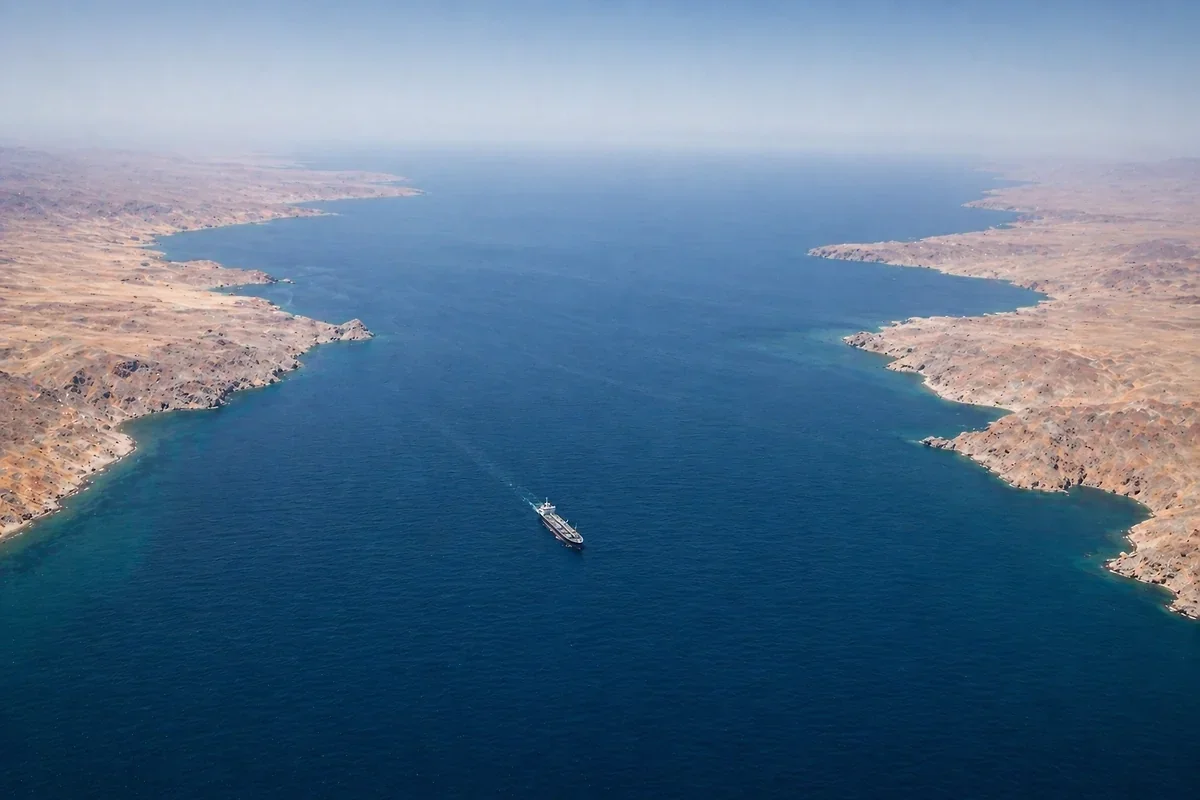
Approximately 3,000 ships are currently stranded in the Strait of Hormuz, unable to navigate through the critical maritime corridor. Operative Information Center-OMM reports that according to Al Jazeera, movement in the Persian Gulf has reached a near-total standstill.
Statistics from Lloyd's List indicate that maritime traffic in the Strait of Hormuz has plummeted by 94 percent since March 1. While the passage previously saw an average of 100 vessels per day, currently only a few ships are able to move via specific routes designated by Iran. This follows the joint military operation launched by the United States and Israel against Iran on February 28, which resulted in the death of Iran's Supreme Leader Ali Khamenei and several high-ranking officials. In retaliation, Iran launched missile strikes on Israeli territory and targeted US military bases in the Persian Gulf countries. Consequently, the Strait of Hormuz remains completely blocked for the United States, Israel, and their allies.
The Strait of Hormuz is one of the world's most vital energy chokepoints, through which approximately one-fifth of the world's total oil consumption passes daily. Linking the Persian Gulf with the Gulf of Oman and the Arabian Sea, the strait is essential for the global energy market and international trade stability. Under the administration of US President Donald Trump, the regional security architecture has faced significant shifts, and the current blockade poses a major threat to global supply chains and international maritime security.