The State Border Service of Azerbaijan has released its comprehensive report for February 2026, detailing the detention of 16 individuals for violating the state border and the prevention of large-scale smuggling operations worth millions of manats.
Details of border violations in February
According to information provided by the Operative Information Center-OMM citing the State Border Service, the 16 individuals detained for border violations included 8 citizens of Azerbaijan, 2 from Iran, and one citizen each from India, Bangladesh, Sri Lanka, Russia, Ghana, and Palestine.
As part of measures to combat illegal migration, an additional 10 individuals were detained while attempting to cross the border using forged documents. Furthermore, appropriate legal actions were taken against 92 individuals for violating border regime rules.
Law enforcement and anti-smuggling operations
In the framework of crime-fighting initiatives, 349 wanted persons were apprehended by law enforcement agencies and handed over to the relevant authorities. Border officials also prevented 554 individuals restricted from leaving Azerbaijan from departing, while 13 individuals prohibited from entering the country were blocked at the border.
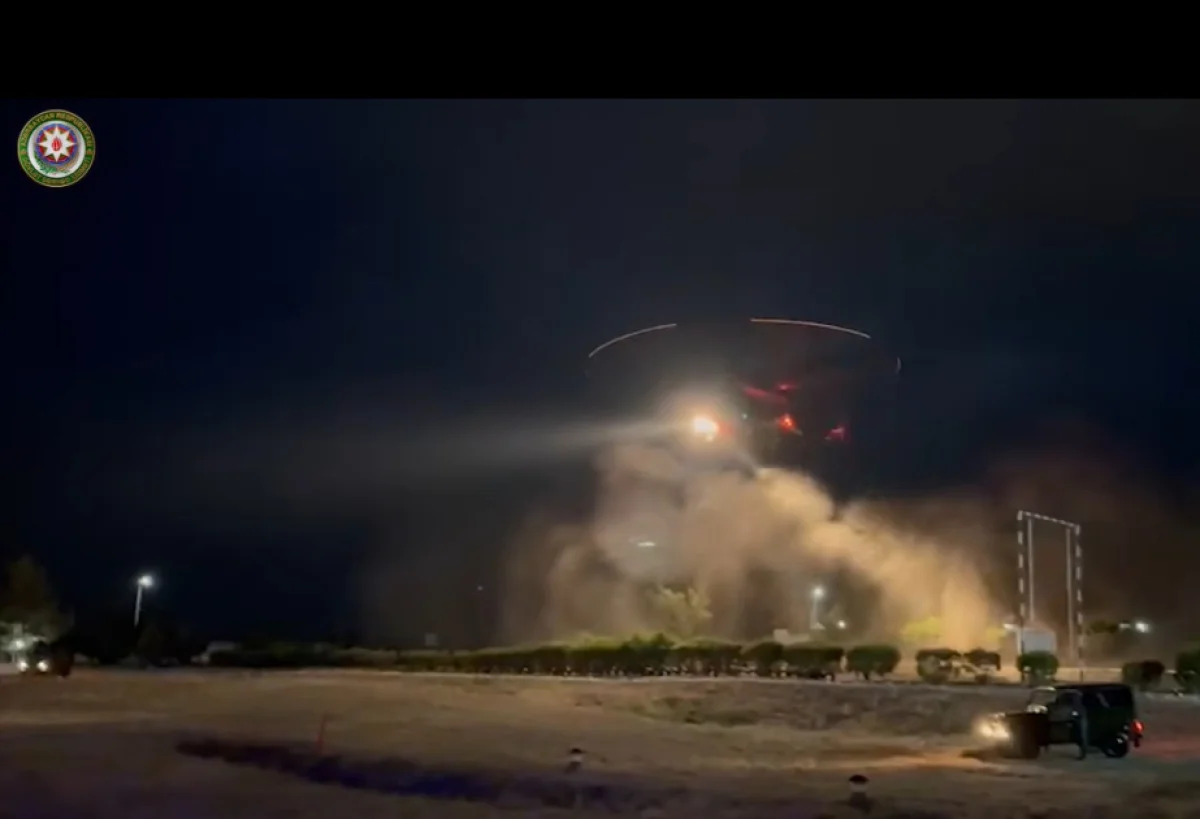
The report also highlighted evolving tactics in cross-border crime, noting that in 2 instances, attempts to transport narcotics into the territory of Azerbaijan using unmanned aerial vehicles (drones) were successfully thwarted.
Seizure of narcotics and contraband
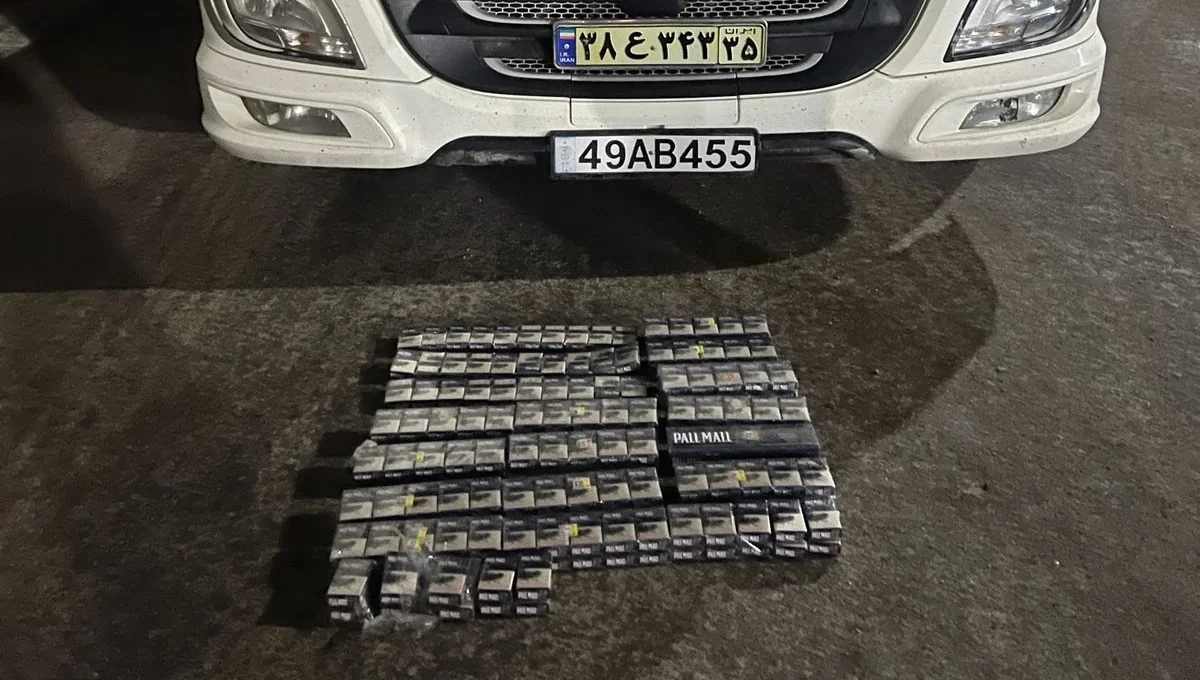
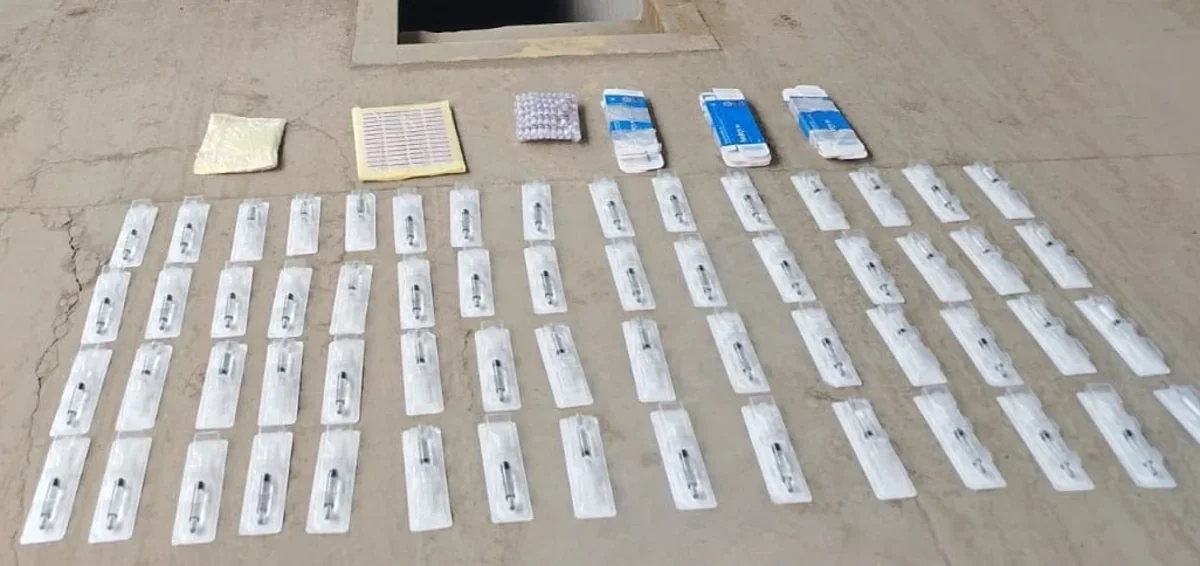
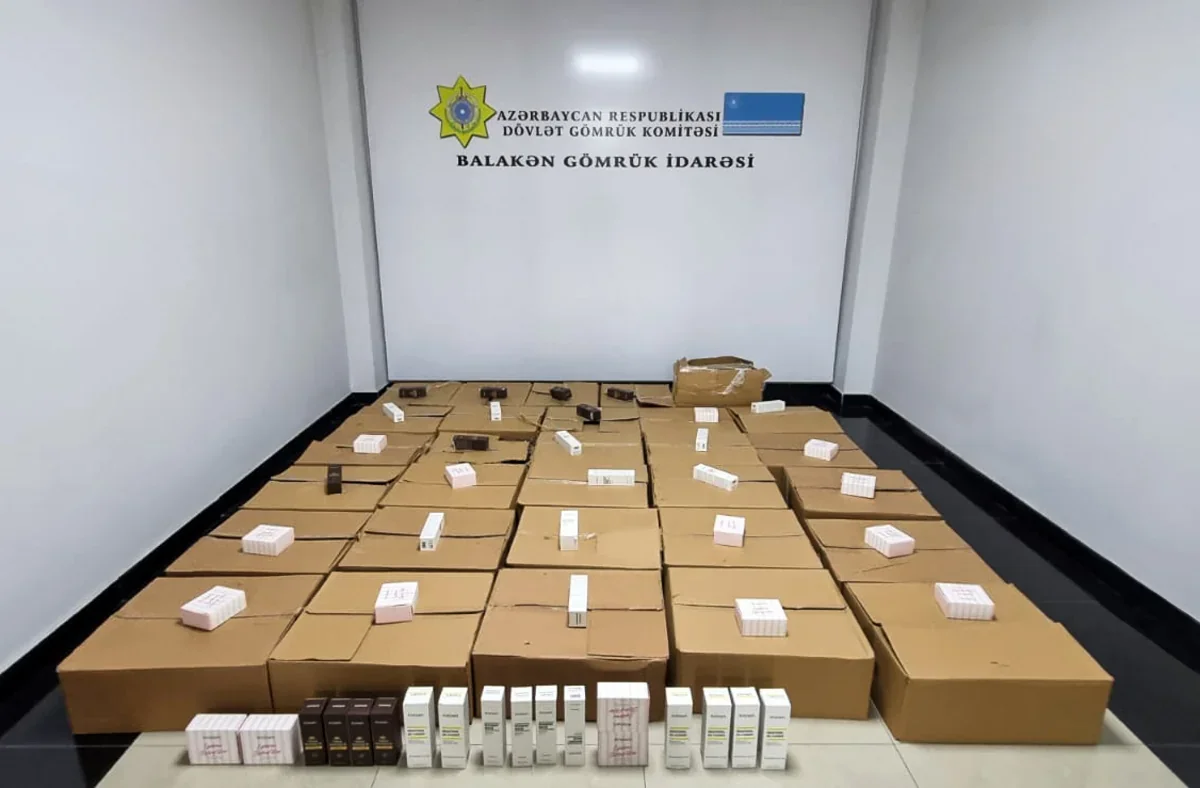
Efforts to combat the illegal circulation of drugs resulted in the seizure of 298 kilograms 299 grams of various narcotics and 2,990 narcotic pills. Additionally, the State Border Service intercepted contraband goods with a total estimated value of 10,912,328 manats.
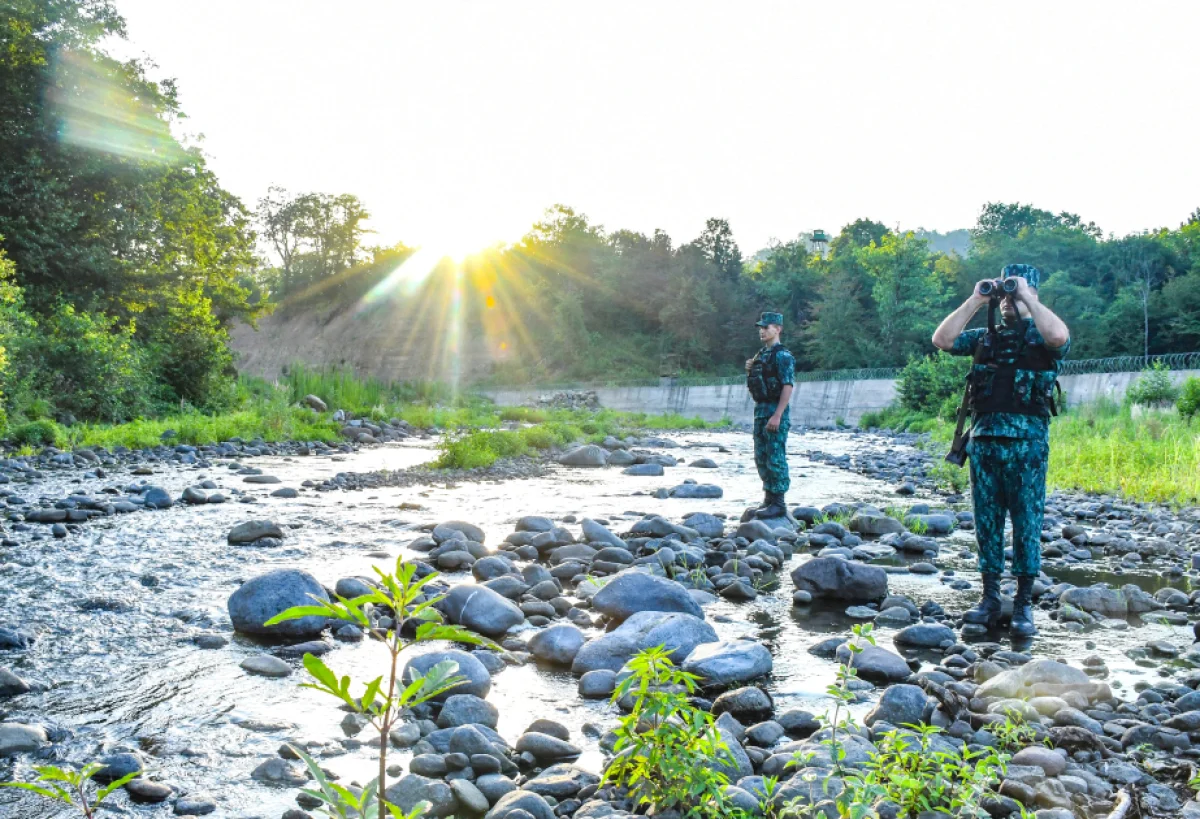
The State Border Service of Azerbaijan continues to maintain rigorous security protocols across all land and sea borders to ensure national security and territorial integrity. These monthly operations are part of a broader strategy to combat transnational organized crime, illegal migration, and the trafficking of illicit substances in the region.