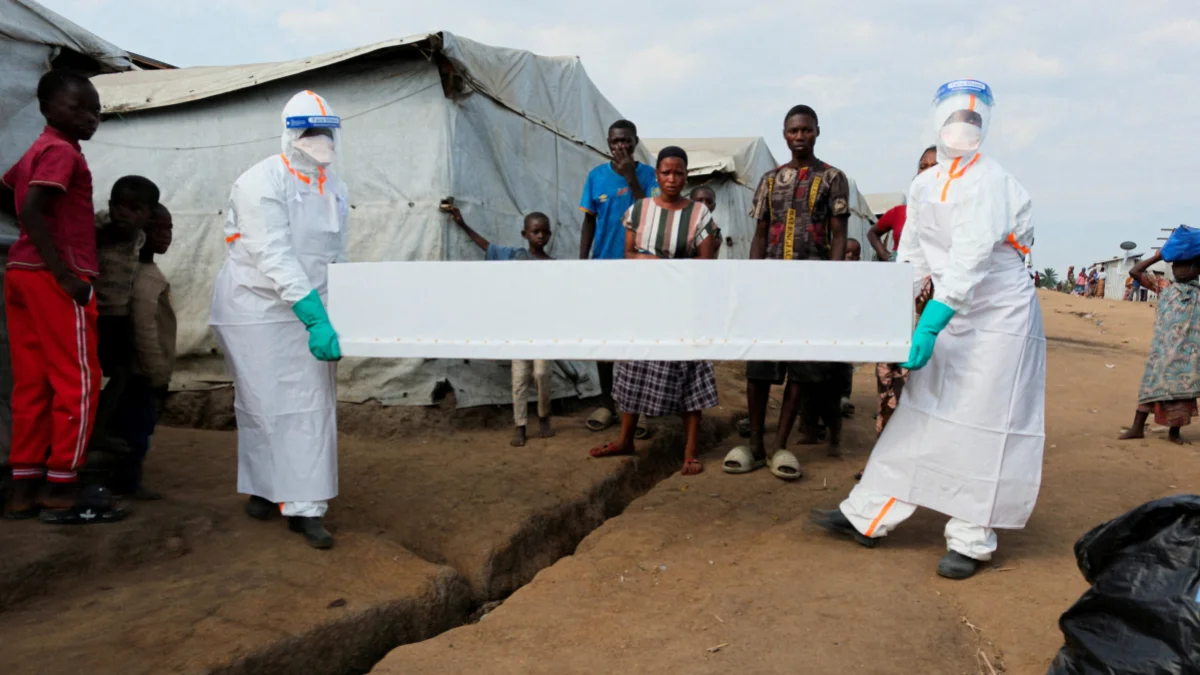
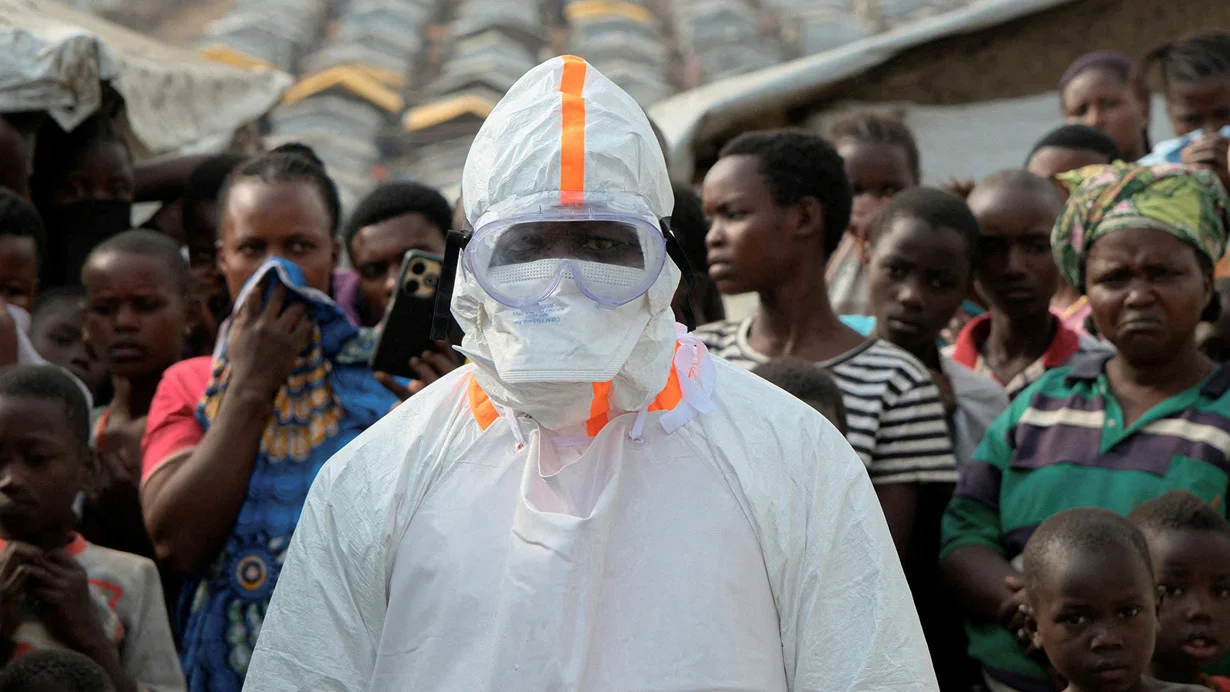
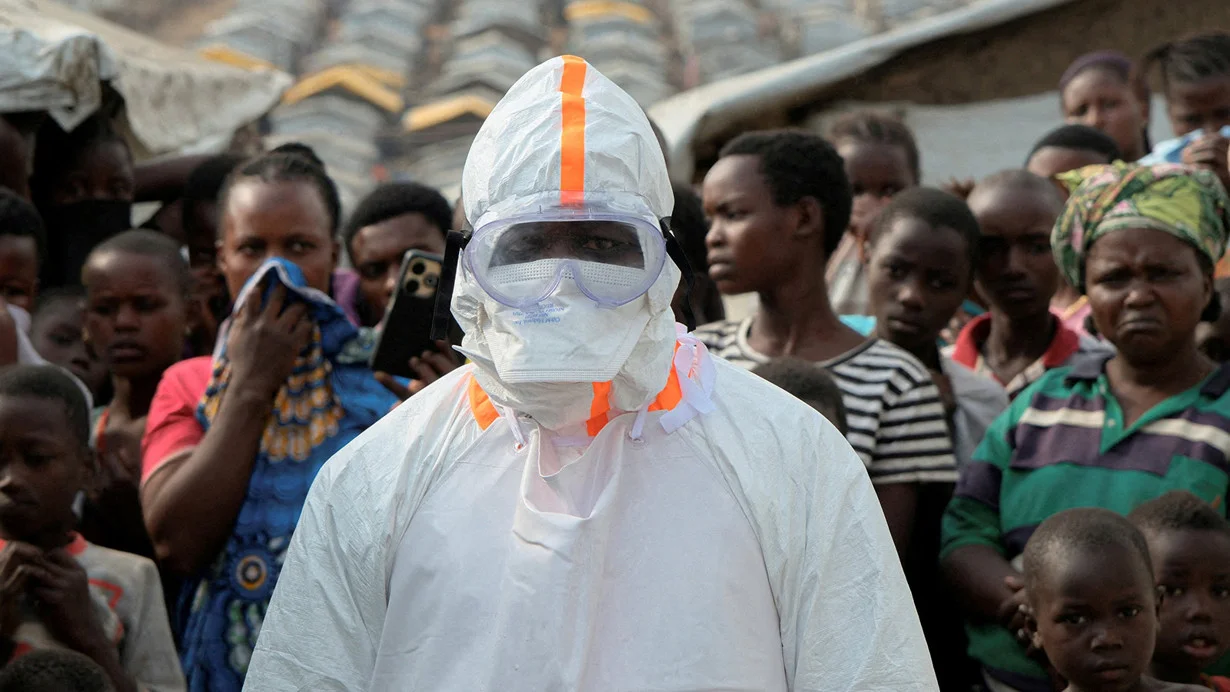
The global community is expressing significant concern over the resurgence of the deadly Ebola virus and its expanding geographical reach. According to the Operative Information Center-OMM, a surge in infection cases recorded across the African continent in recent months has alarmed public health authorities.
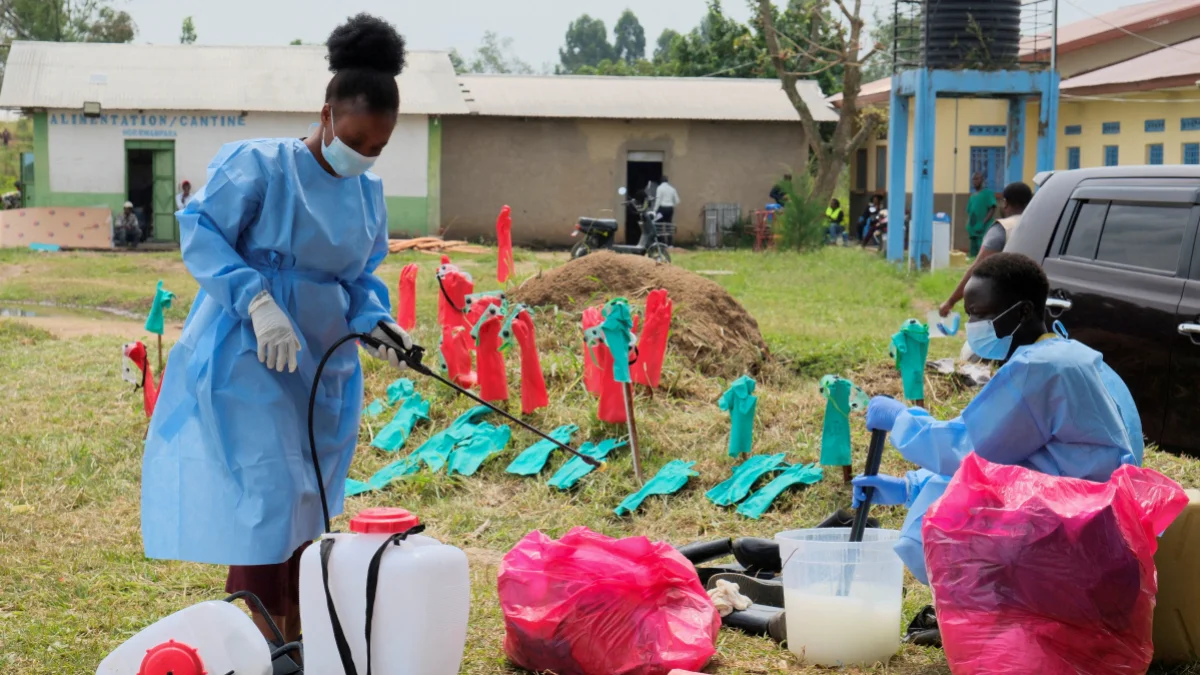
The Democratic Republic of the Congo and Uganda are currently identified as the primary epicenters of the outbreak. In response to the virus's spread and the rising death toll, international health organizations have initiated stringent containment measures.
Experts emphasize the critical need for enhanced border controls and robust public awareness campaigns to curb the transmission of the disease. The situation is currently being monitored closely by global health bodies.
Ebola virus disease (EVD) is a severe, often fatal illness in humans, characterized by sudden fever, intense weakness, muscle pain, and sore throat. First identified in 1976 near the Ebola River in what is now the Democratic Republic of the Congo, the virus has historically caused sporadic outbreaks. International health agencies, including the World Health Organization, continue to prioritize vaccine development and rapid response protocols to mitigate the impact of such outbreaks on global health security.