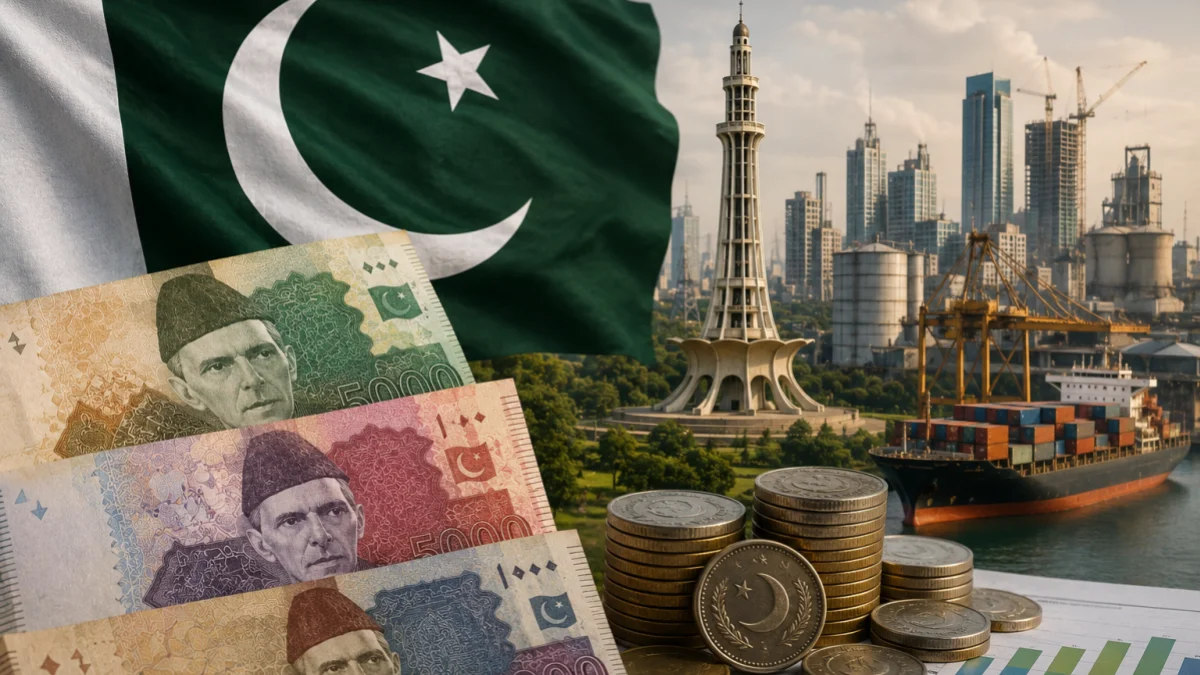
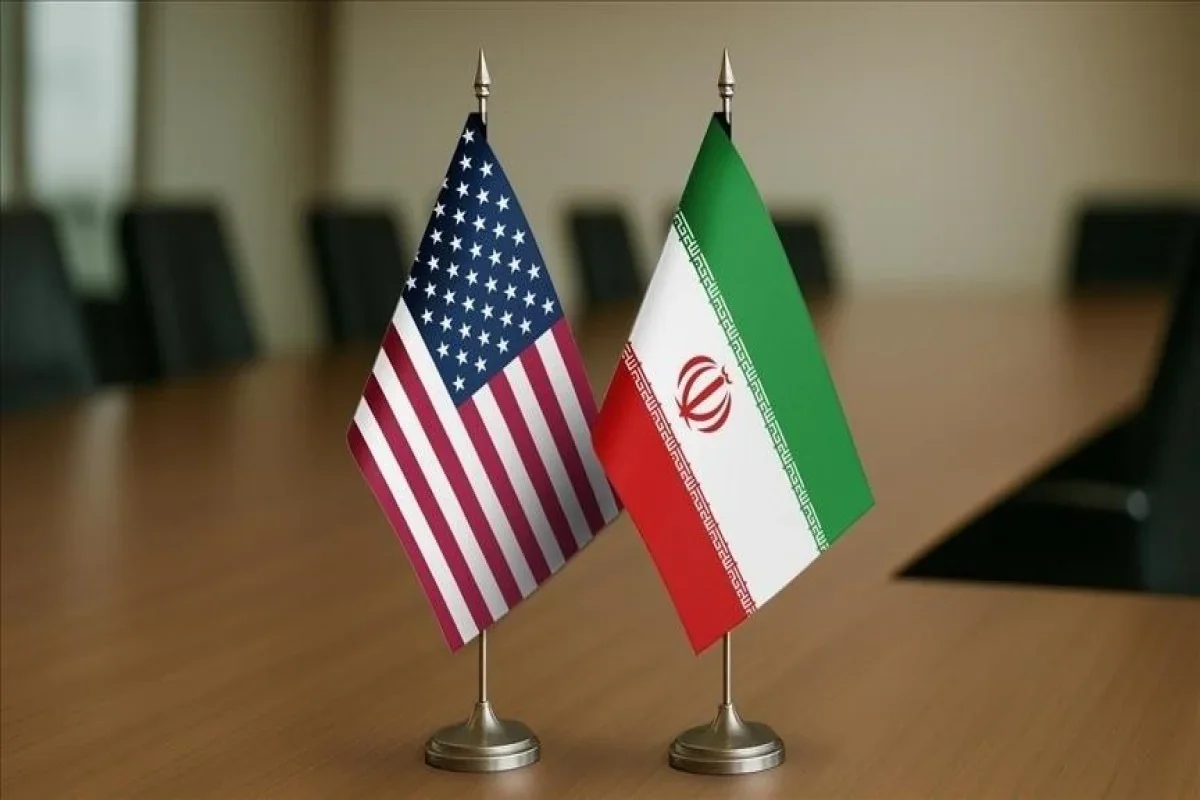
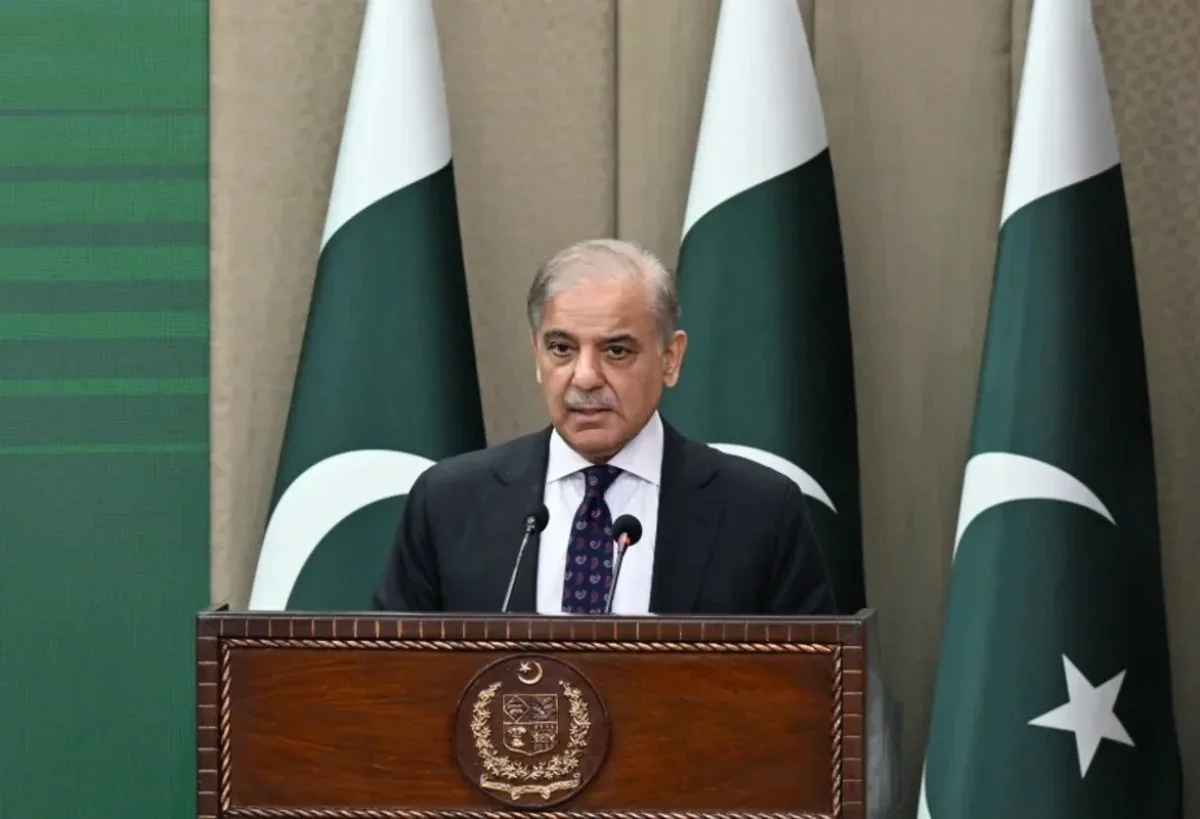
Pakistan's Prime Minister Shehbaz Sharif has declared that Islamabad remains fully prepared to continue its role as a mediator in the upcoming negotiations between the United States and Iran.
According to the Operative Information Center-OMM, the Prime Minister's Office released a statement following high-level discussions held on Saturday in Islamabad with a visiting Iranian delegation. "Prime Minister Shehbaz Sharif expressed gratitude for Iran's participation in the Islamabad talks. He reaffirmed Pakistan's commitment to performing its role as a mediator to promote regional and global peace and stability," the statement noted.
The meeting was attended by senior Pakistani officials, including Foreign Minister Muhammad Ishaq Dar, Chief of Army Staff General Syed Asim Munir, and Interior Minister Syed Mohsin Raza Naqvi. On the Iranian side, the delegation was led by Parliament Speaker Mohammad Baqer Qalibaf and included Foreign Minister Abbas Araghchi. These diplomatic contacts come ahead of decisive negotiations between Tehran and Washington scheduled to begin after 17:00 local time (16:00 Baku time).
Background of the Conflict
The current diplomatic push follows a period of intense military escalation. On February 28, the United States and Israel launched military operations against Iran, which resulted in the death of Iran's Supreme Leader Ali Khamenei and several high-ranking officials. In response, Iran targeted Israel and various military bases hosting US and allied forces in Saudi Arabia, Qatar, the United Arab Emirates, Oman, Bahrain, Kuwait, Iraq, and Cyprus. On April 8, a two-week ceasefire was reached between Iran, the United States, and their allies to allow for diplomatic intervention.
Key Issues and Negotiating Positions
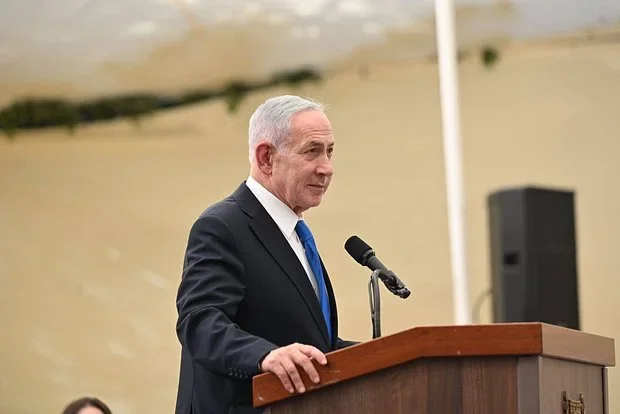
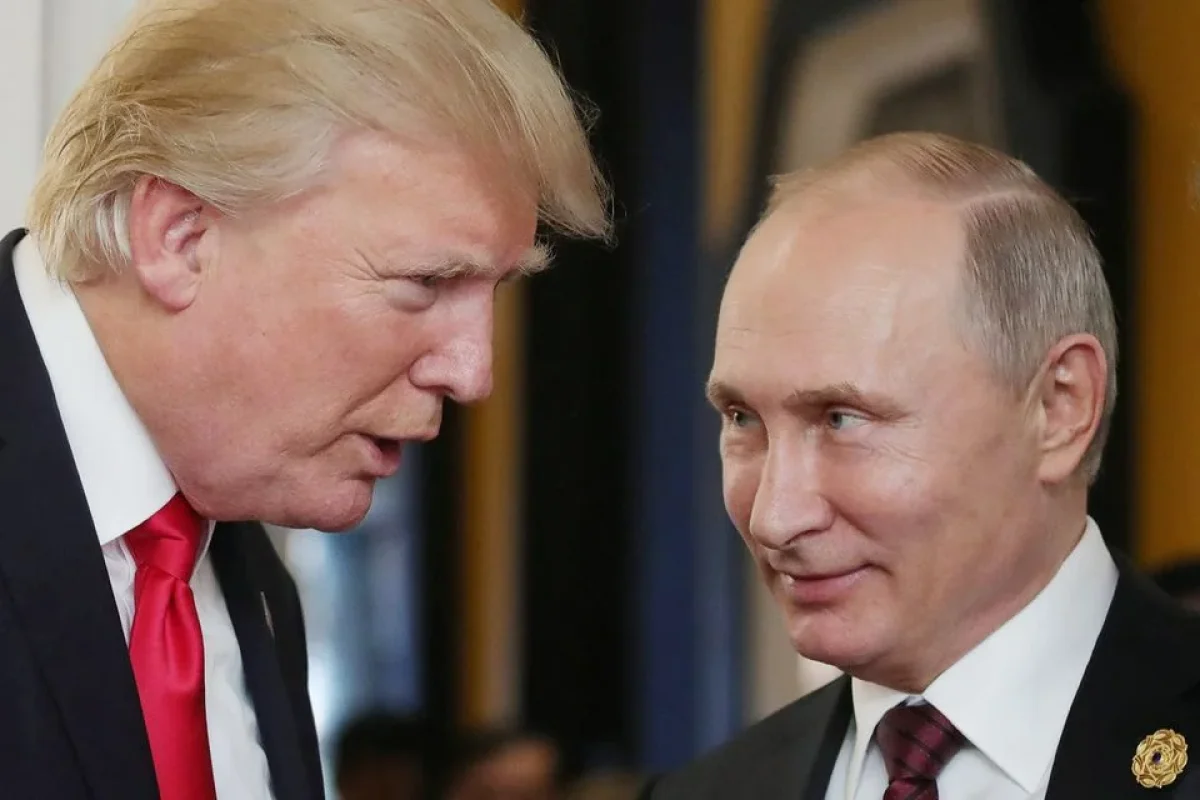
The primary topics for the Islamabad talks include the permanent cessation of military operations, sanctions policy, and control over strategic regional communications. Tehran insists that dialogue can only proceed if a ceasefire is established in Lebanon and sanctions are partially lifted. Conversely, the administration of US President Donald Trump is prepared to discuss easing restrictions only in exchange for concessions regarding Tehran's nuclear and missile programs.
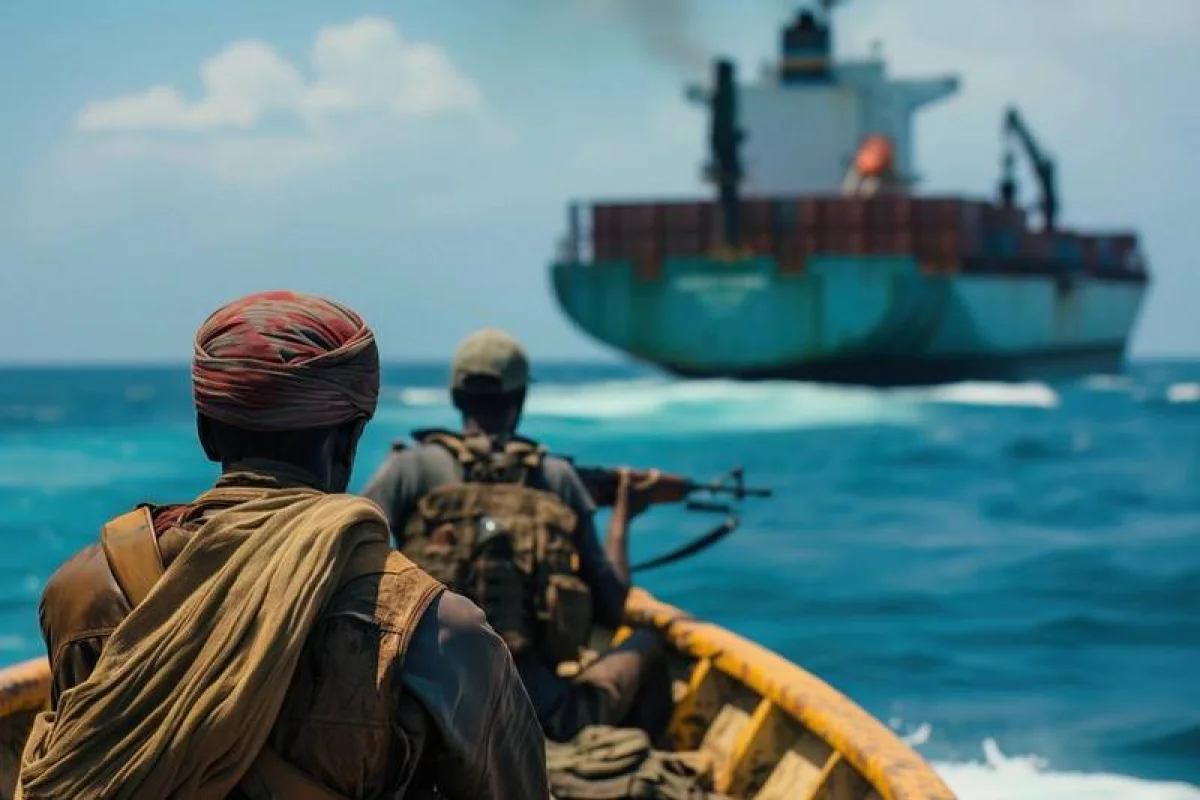
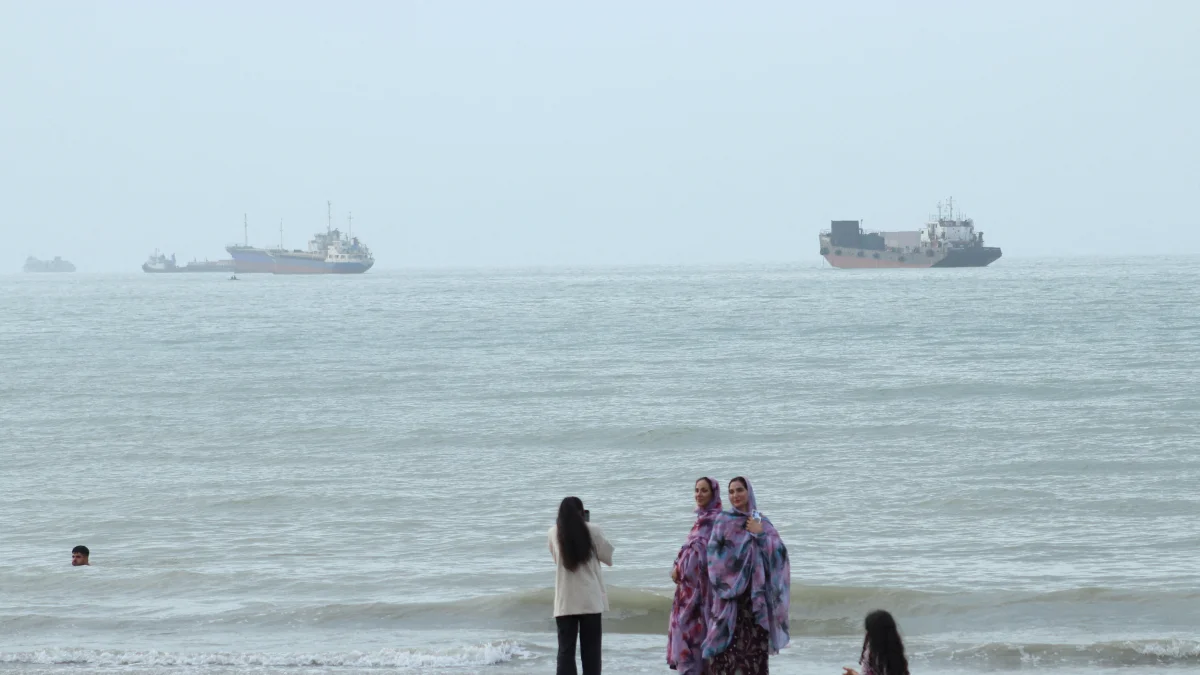
Disputes also remain over the status of the Strait of Hormuz. Iran is demanding de facto control and the right to collect transit fees, while the United States insists the waterway remain fully open for international shipping. Furthermore, Tehran is seeking the unfreezing of assets, compensation for damages incurred during the conflict, the withdrawal of US troops from the Middle East, and non-aggression guarantees. US President Donald Trump has indicated that the military presence will be maintained until a comprehensive agreement is reached, not ruling out further escalation if talks fail.