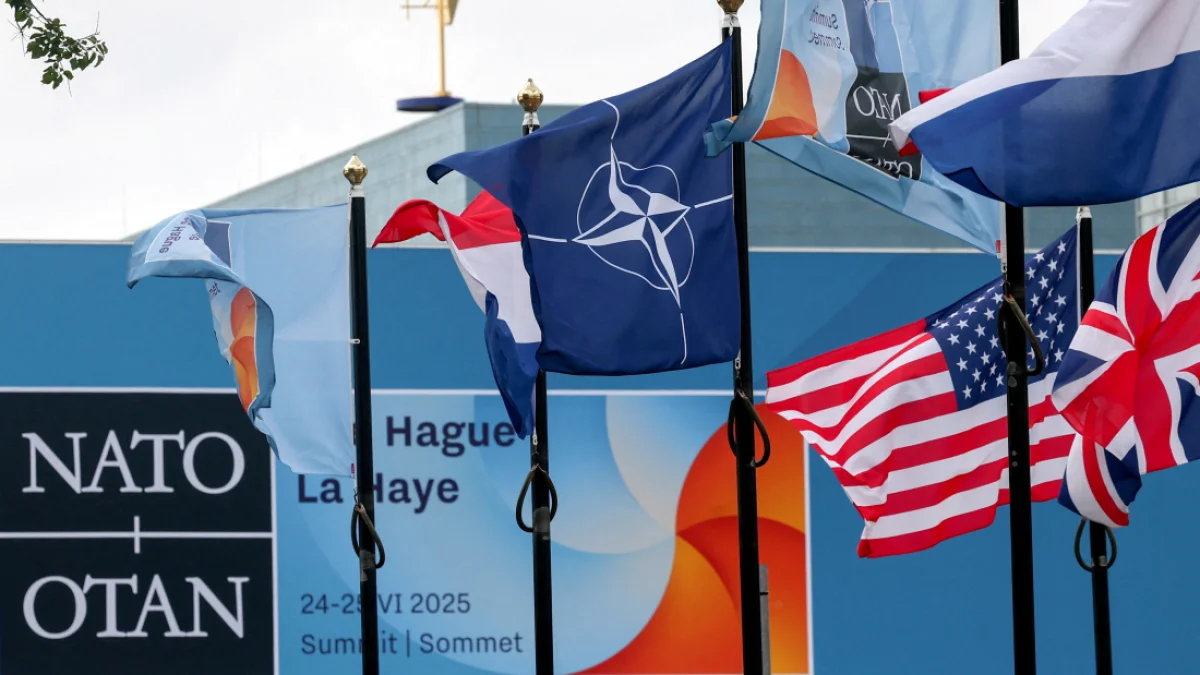
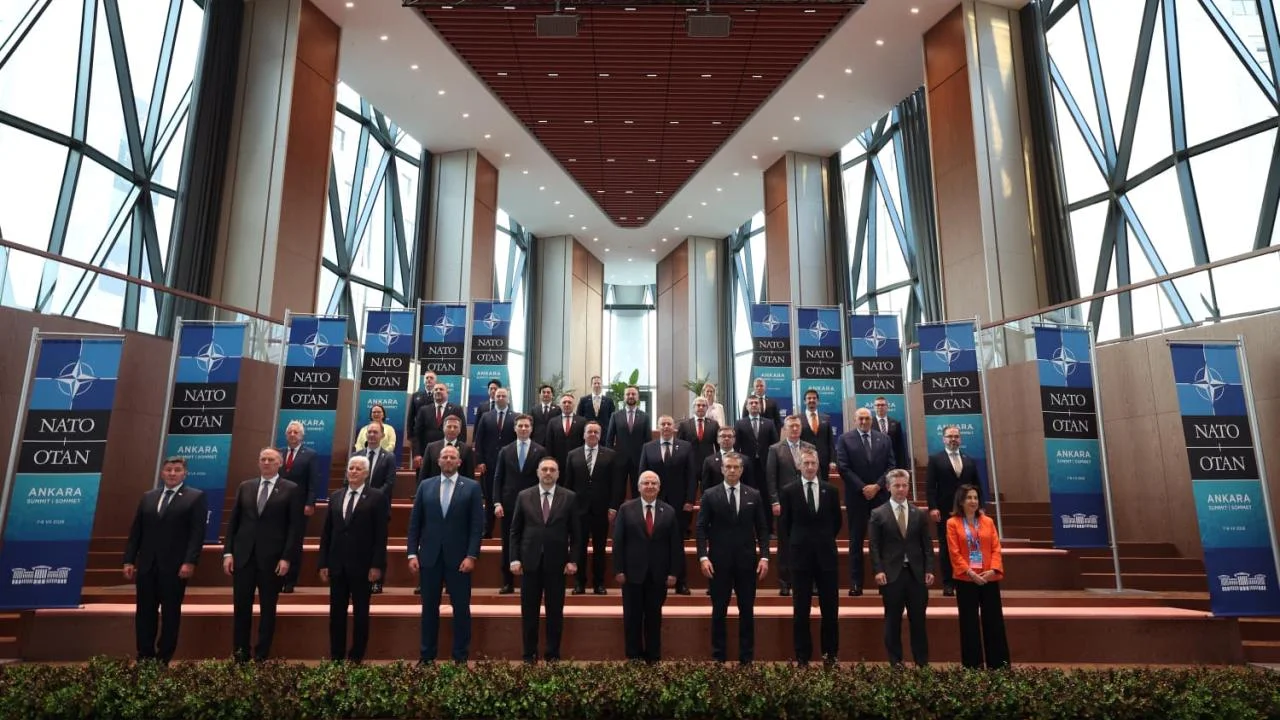
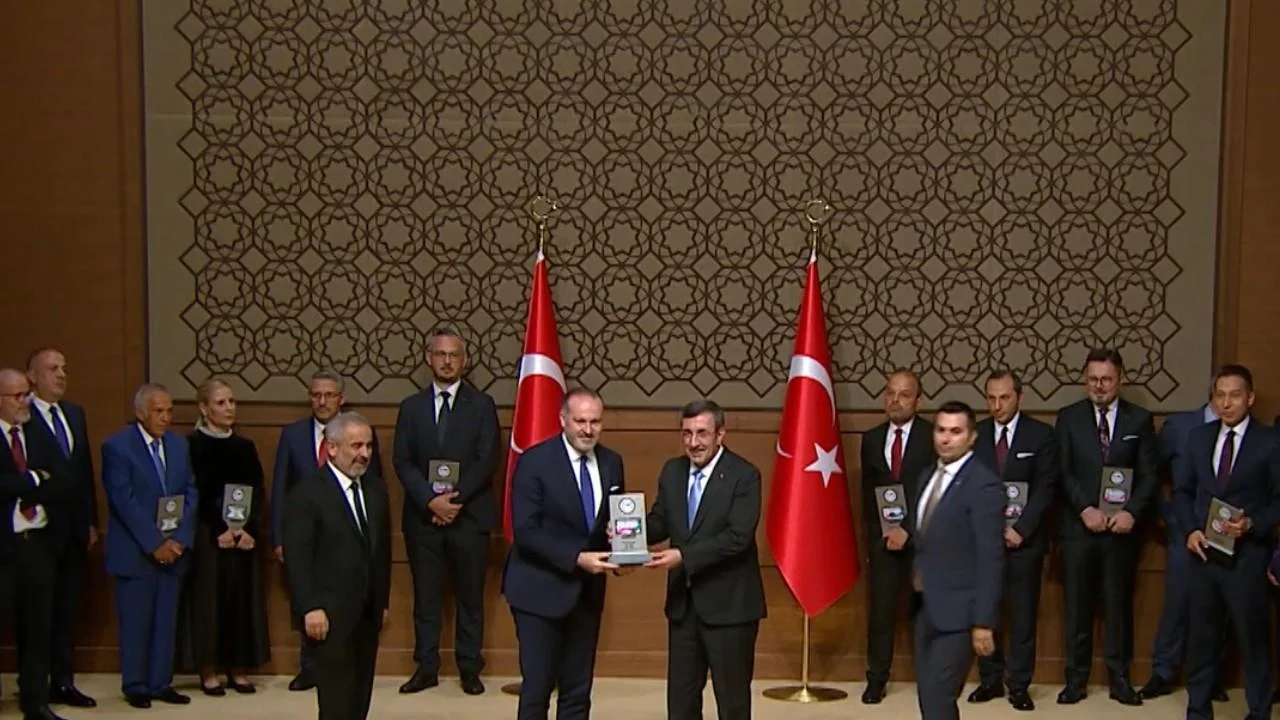
Turkish Vice President Cevdet Yilmaz addressed the Defense Industry Forum held on the sidelines of the 36th NATO Summit of Heads of State and Government in Ankara.
According to the Operative Information Center-OMM, the event was also attended by NATO Secretary General Mark Rutte and Turkish Minister of National Defense Yasar Guler.
In his address, Yilmaz stated that NATO has entered a new phase, referred to as "NATO 3.0," emphasizing that this era will require a more equitable distribution of burdens among alliance members. Highlighting Turkey's significant strides in the defense sector, the Vice President noted that the country currently ranks 11th globally among defense product exporters, with a clear strategic goal to enter the top 10 in the near future.
Yilmaz detailed that Turkey now possesses a diverse portfolio of defense products spanning air, land, naval, cyber, and space domains, with domestically produced equipment accounting for over 80 percent of the Turkish Armed Forces' inventory. He reported that Turkey's defense and aviation exports exceeded $11 billion over the past year, and the presence of five Turkish firms on the list of the world's top 100 defense companies serves as a key indicator of the sector's rapid development.
Furthermore, Yilmaz highlighted the human capital behind these achievements, noting that the average age of defense industry professionals in Turkey is 34, with women comprising approximately half of the engineering workforce. Emphasizing the necessity of international cooperation, he called for the removal of trade restrictions and sanctions among allied nations. Yilmaz argued that to strengthen collective security, artificial barriers must be dismantled, advocating for Turkey's full participation in European defense and security initiatives alongside expanded joint projects and technological collaboration.
The NATO Defense Industry Forum serves as a critical platform for member states to align their industrial capabilities with the evolving security landscape. By fostering dialogue between government officials and industry leaders, the forum aims to enhance interoperability and ensure that the alliance remains equipped to address modern threats effectively.