 Afət Ziyadqızı

Azerbaijan, Kazakhstan, and Uzbekistan are taking significant steps toward establishing a new energy corridor beneath the Caspian Sea. According to the Operative Information Center-OMM, the project, titled the "Caspian Green Energy Corridor," is designed to connect the growing renewable energy potential of Central Asia with European markets.
The initiative was formalized through a cooperation agreement signed in Baku in November 2024. The project envisions the export of not only renewable electricity but also green hydrogen and green ammonia.
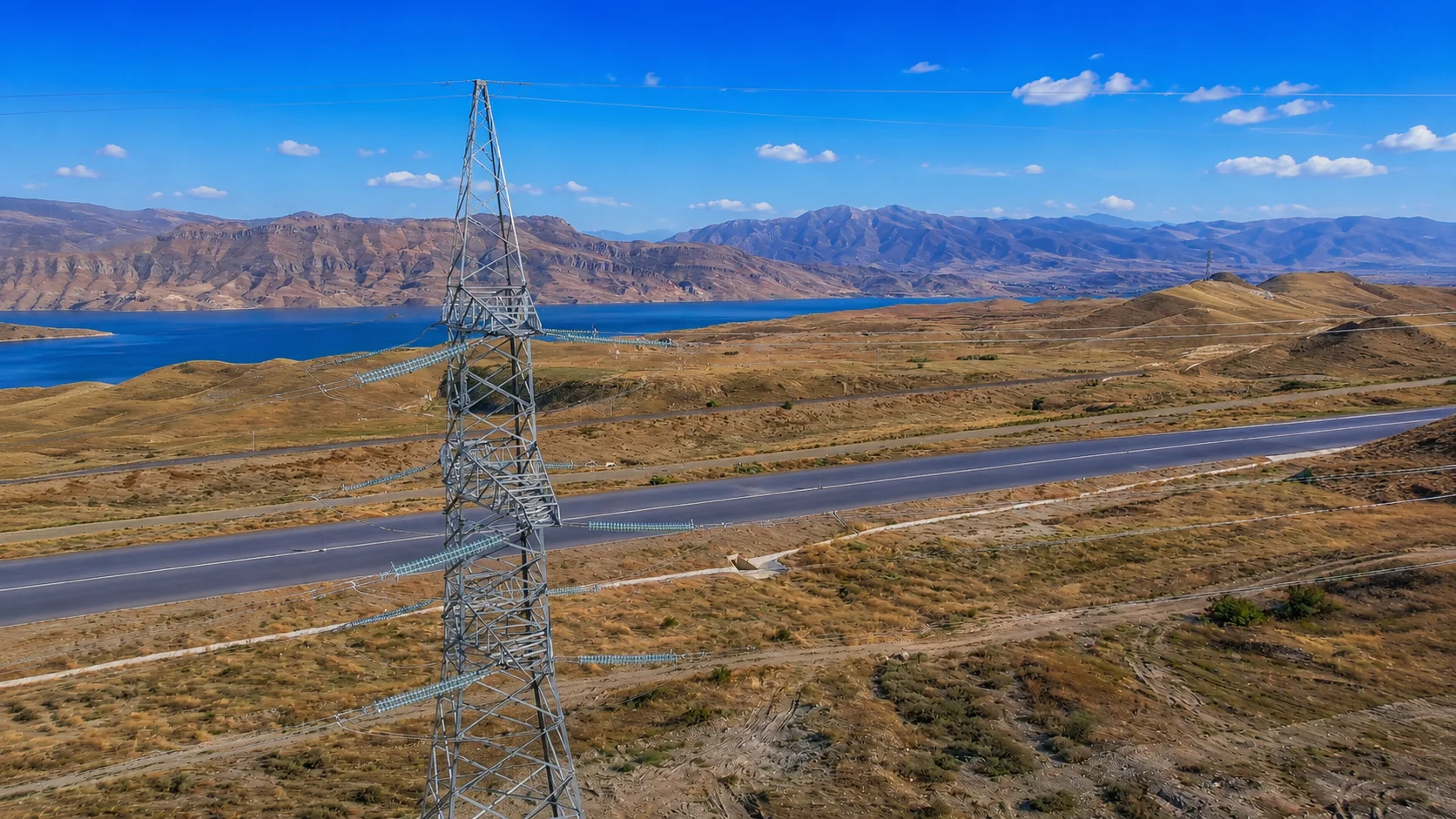
According to the Ministry of Energy of Kazakhstan, a key component of the project is a high-voltage direct current (HVDC) cable to be laid on the seabed of the Caspian Sea. This infrastructure will connect Kazakhstan's power grid with Azerbaijan, from where energy will be transmitted via the Black Sea to Romania and the broader European energy network.
In April 2025, the Asian Development Bank (ADB), the Asian Infrastructure Investment Bank (AIIB), and energy authorities from the participating countries agreed to finance the project's feasibility study. Research is currently being conducted by the Italian engineering firm CESI and is scheduled for completion in 2027. This phase will evaluate the project's technical, economic, and legal foundations.
Kazakhstan plans to generate an additional 10 gigawatts of renewable energy capacity by 2035, while Uzbekistan aims to reach 35 gigawatts of green energy capacity by 2030. Azerbaijan, acting as a transit and integrating hub, continues to collaborate on the Black Sea Energy Cable project with Georgia, Romania, and Hungary.
Energy Minister Parviz Shahbazov stated during "Kazakhstan Energy Week" that the Trans-Caspian Green Energy Corridor will strengthen strategic cooperation by connecting the energy systems of regional countries on a large scale for the first time in history.
Experts believe that while the project is crucial for diversifying Europe's energy security and reducing carbon emissions, it remains in the early stages. Primary challenges include high construction costs, commercial viability, technical implementation timelines, and the synchronization of regional energy grids. Additionally, rising domestic energy demand in participating countries may necessitate further infrastructure expansion.
The "Caspian Green Energy Corridor" is currently regarded as a regional energy initiative with significant long-term strategic potential, marking a pivotal shift in trans-regional energy cooperation.