Baku-Tbilisi-Ceyhan (BTC) pipeline oil exports: Statistics for the first quarter
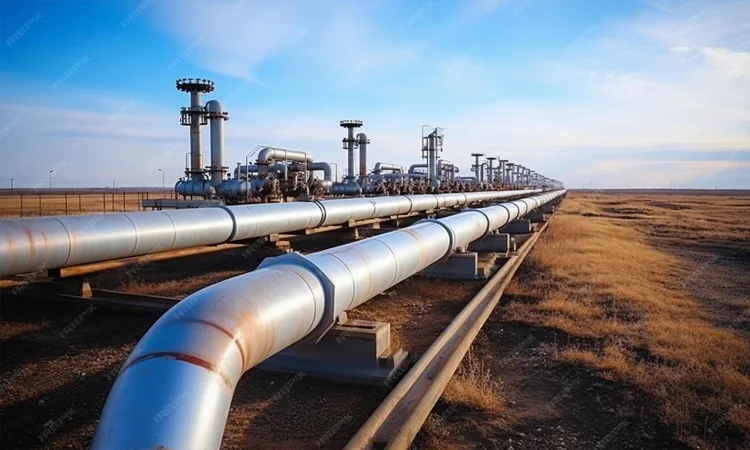
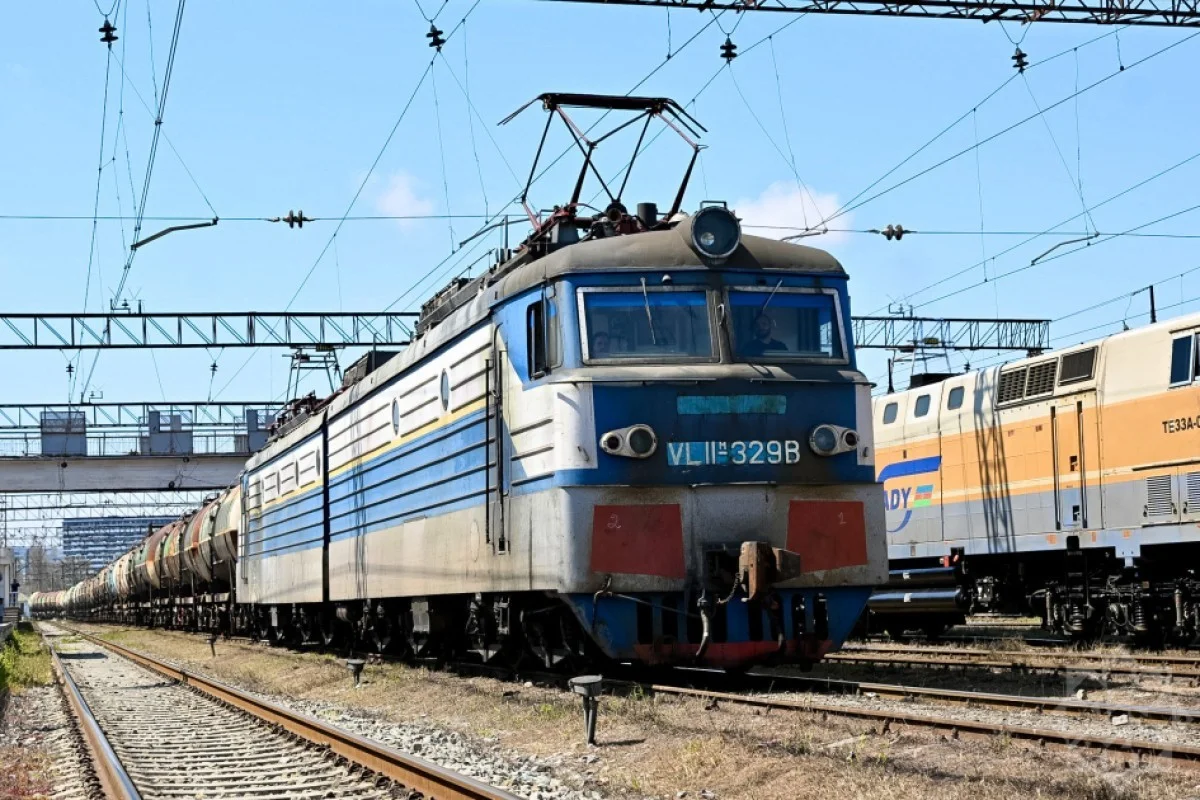
The Baku-Tbilisi-Ceyhan (BTC) oil export pipeline, Azerbaijan's primary energy artery, transported a total of 6,206,000 tons of oil during January-March of this year.
According to Operative Information Center-OMM, citing the State Statistical Committee, this figure represents a 10% decrease compared to the first three months of 2025. During this period, 76.9% of the total oil transportation in Azerbaijan was carried out via the BTC pipeline.
Azerbaijani vs. transit oil: Breakdown of volumes transported via BTC
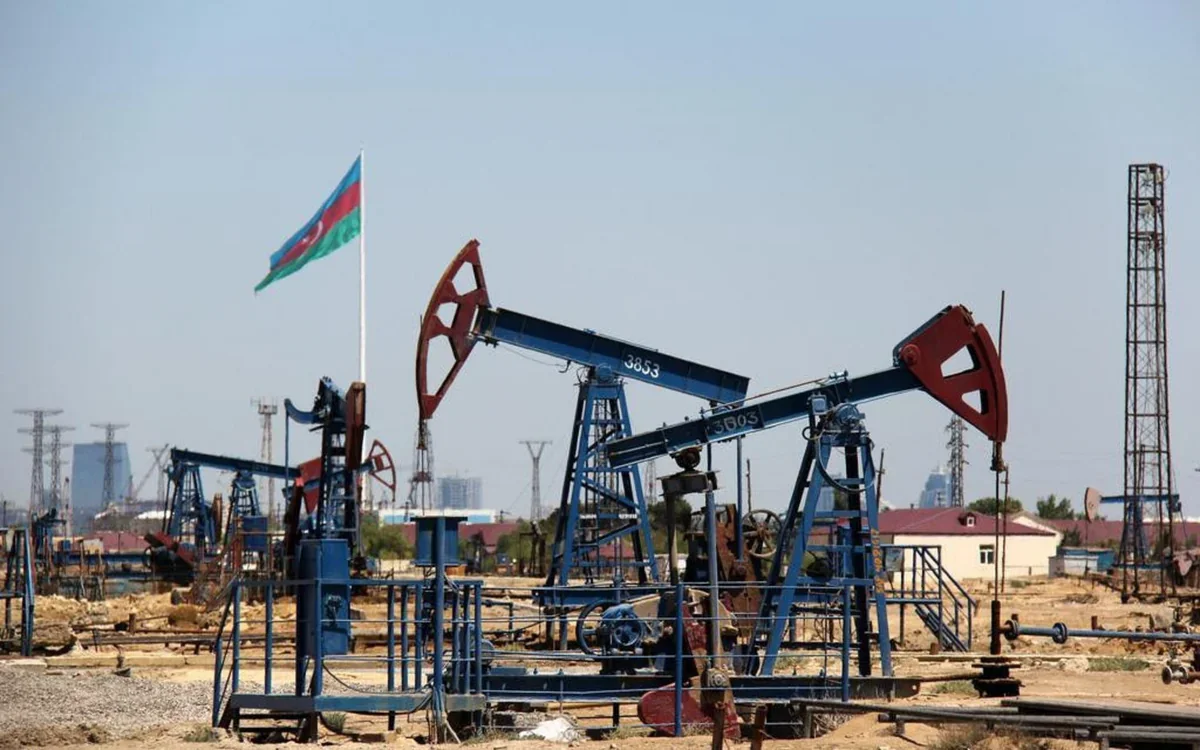
In the first quarter of this year, 82.3% (or 5,109,600 tons) of the oil transported through the BTC pipeline consisted of oil produced in Azerbaijan. The remaining 17.7% (or 1,096,400 tons) was transit oil originating from Turkmenistan and Kazakhstan.
Comparative analysis shows that during this period, the volume of Azerbaijani oil transported through the pipeline decreased by 10.8%, while the volume of oil from Turkmenistan and Kazakhstan decreased by 4.9%.
ACG and Shah Deniz: Key suppliers of the BTC pipeline
The BTC pipeline primarily carries oil from the Azeri-Chirag-Gunashli (ACG) field block and condensate from the Shah Deniz field in Azerbaijan. Additionally, the pipeline transports other volumes of crude oil and condensate, including Turkmenistan and Kazakhstan oil.
The share distribution in the ACG project, the main supply source, is as follows: BP (30.37%), SOCAR (31.65%), MOL Group (9.57%), INPEX (9.31%), ExxonMobil (6.79%), TPAO (5.73%), ITOCHU (3.65%), and ONGC Videsh Limited (OVL) (2.92%).
Background: The strategic importance of the BTC pipeline
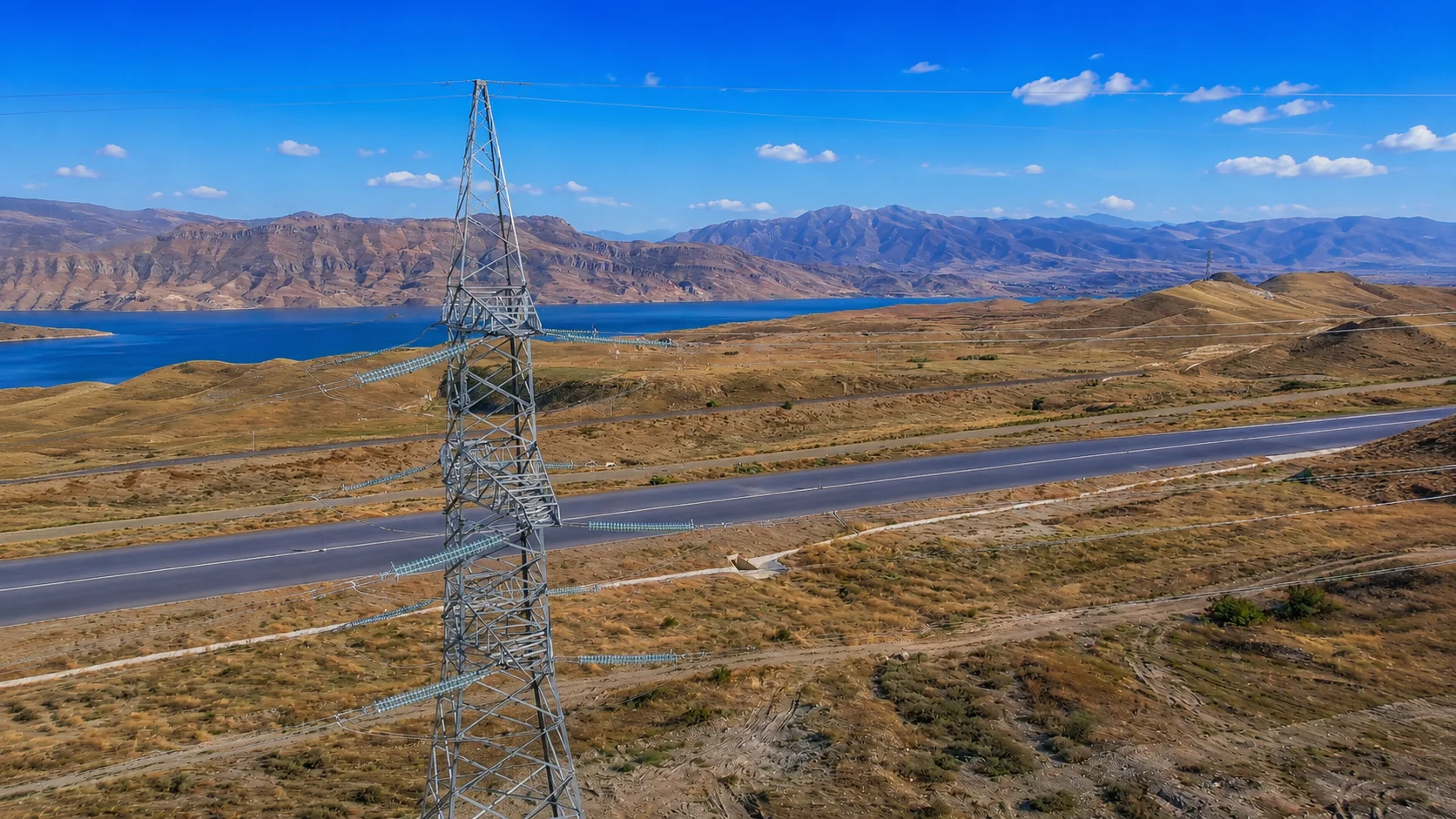
The Baku-Tbilisi-Ceyhan pipeline is a cornerstone of the East-West energy corridor, stretching 1,768 kilometers from the Sangachal terminal near Baku, through Georgia, to the Ceyhan marine terminal on Turkey's Mediterranean coast. Since becoming operational in 2006, the pipeline has played a pivotal role in ensuring global energy security by providing a direct route for Caspian crude to reach international markets, bypassing the Turkish Straits. The project remains a vital component of Azerbaijan's economic strategy and its role as a reliable energy supplier to Europe and beyond.