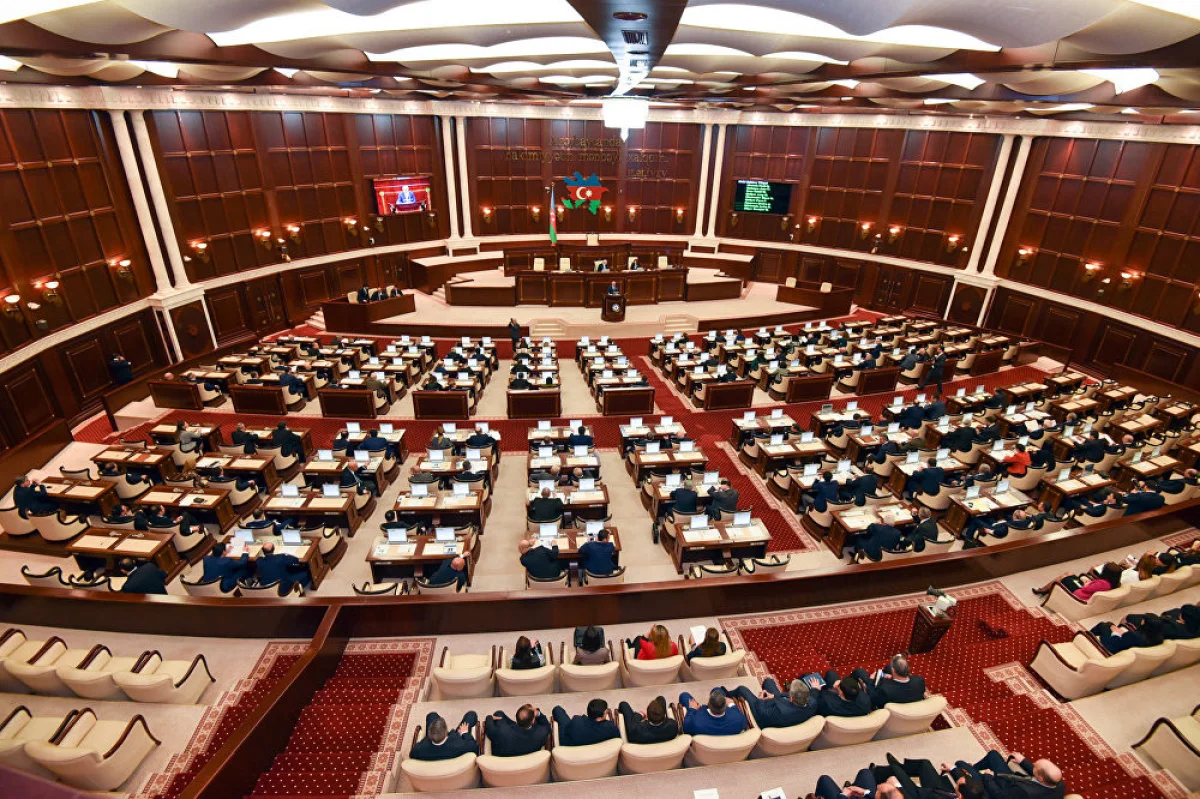
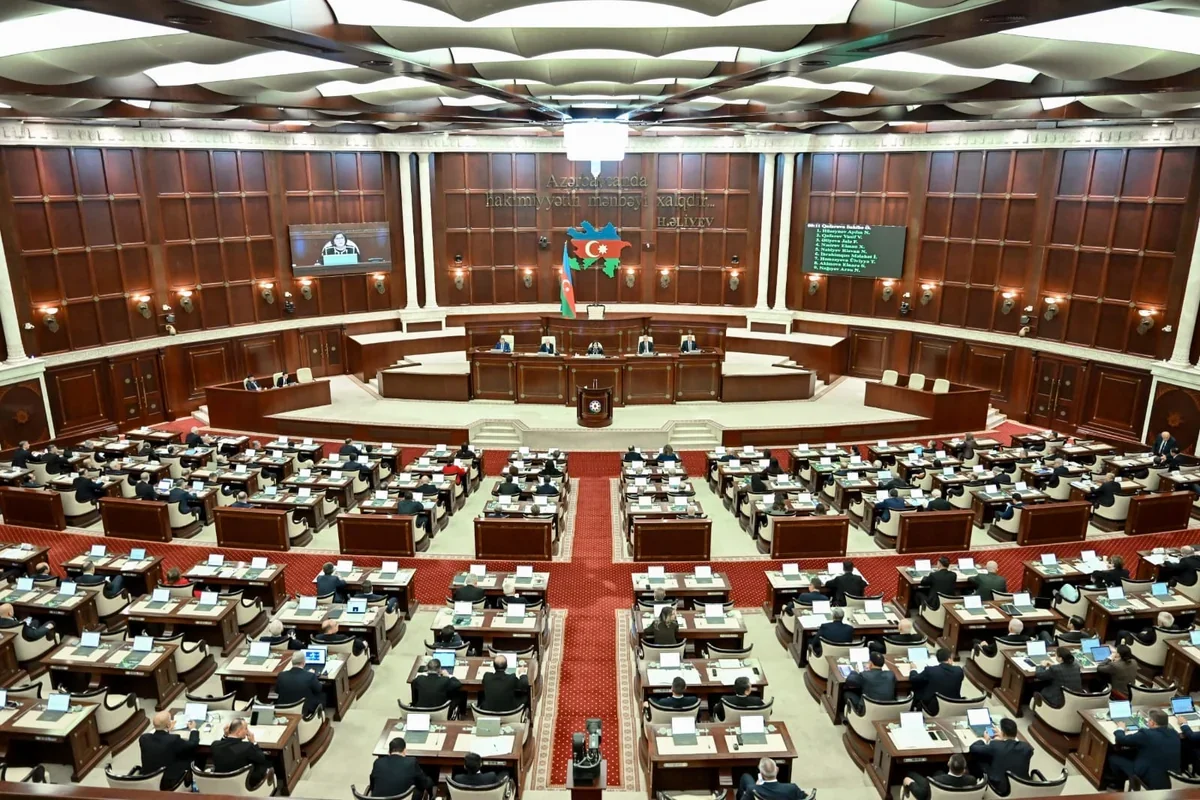
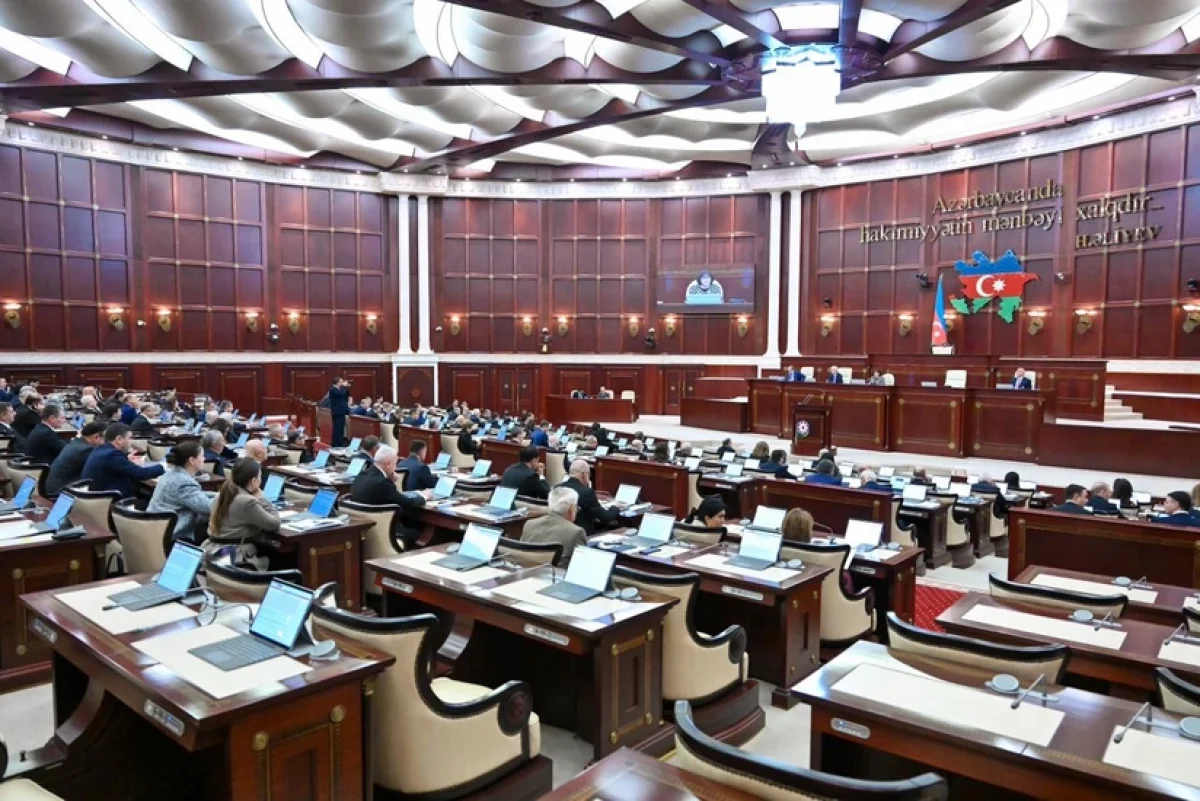
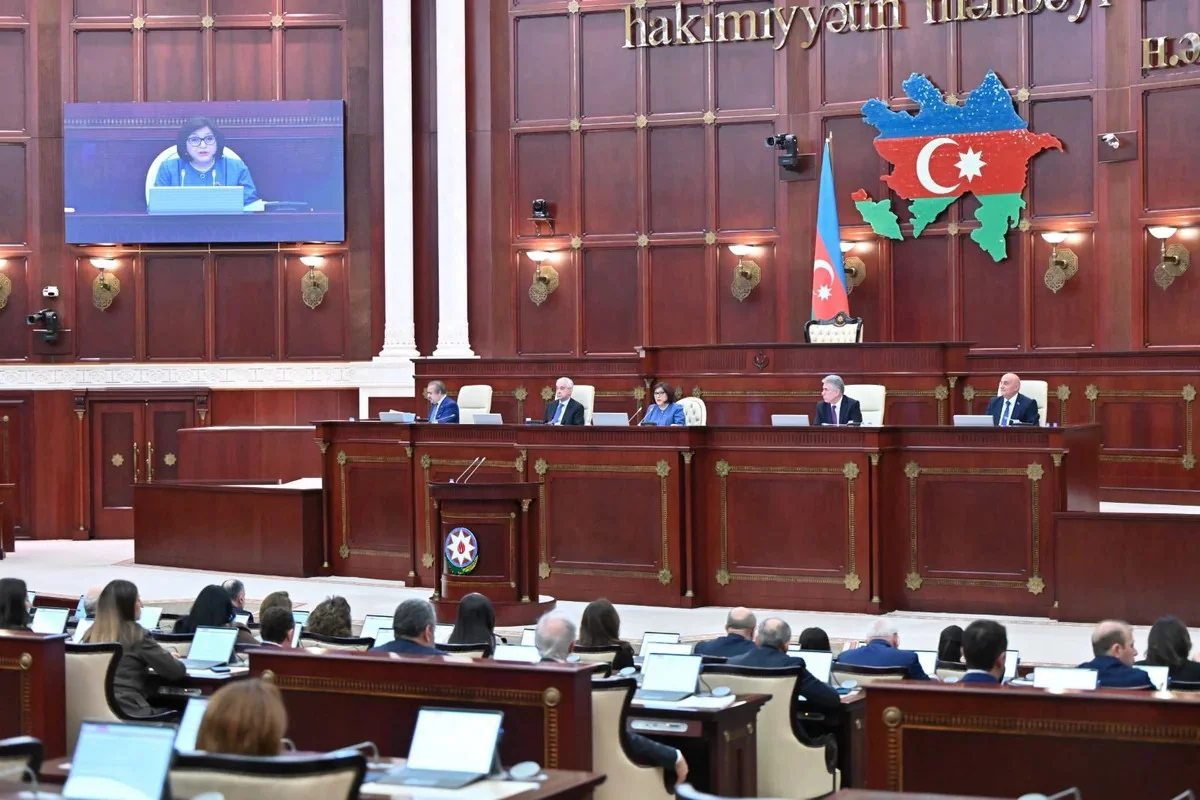
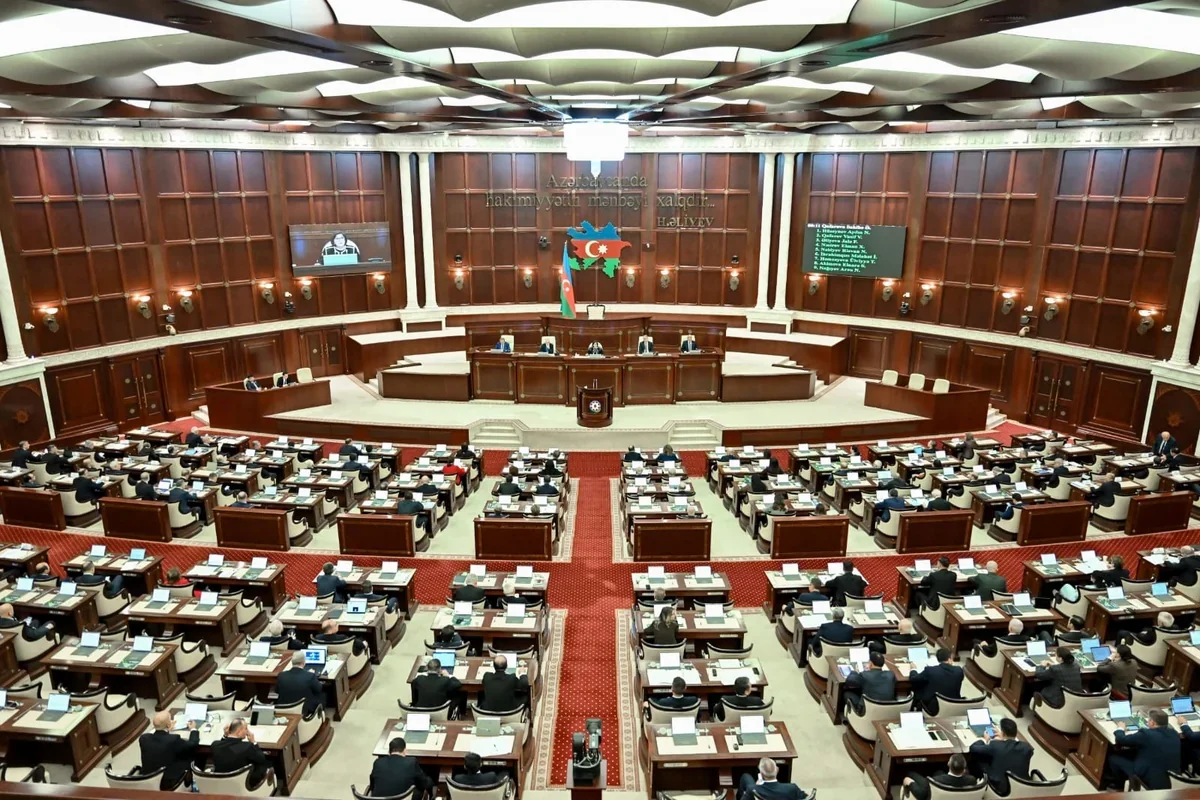
The Milli Majlis (National Assembly) of Azerbaijan has officially adopted a package of legislative amendments in the third reading, aimed at significantly reforming the country's startup and investment environment. The legislative changes affect the Labor Code, Civil Code, and laws on "Currency Regulation," "Banks," "Investment Funds," and the "Securities Market."
According to the Operative Information Center-OMM, the new legislation introduces the concept of an "Employee Stock Option Plan" (ESOP) for the first time in Azerbaijani law. This framework allows company founders or management to grant employees shares or equity stakes either at a discount or free of charge. The vesting of these shares can be tied to specific conditions, such as tenure or the achievement of defined business targets.
The amendments provide clear guidelines for labor contracts involving equity. If an employee departs due to downsizing, personal request, or health reasons, partial vesting may be recognized. Conversely, if an employee is terminated for cause or disciplinary violations, they forfeit unvested equity. Importantly, these equity grants are legally distinct from salary and cannot be treated as wage substitutes.
Furthermore, the Civil Code now incorporates advanced mechanisms for managing startups and investment environments. Shareholders are permitted to enter into corporate governance agreements that define voting procedures, share valuation, and dispute resolution through arbitration. These agreements can even stipulate the application of foreign law, and in internal relations, they take precedence over the company's charter.
The legislation also codifies three essential rights common in venture capital: "Tag-along" rights (allowing minority shareholders to sell alongside a majority shareholder), "Drag-along" rights (enabling majority shareholders to force a sale), and the "Right of First Refusal" (ROFR). Additionally, the laws introduce financial instruments such as convertible debt and SAFE (Simple Agreement for Future Equity) notes, allowing investors to inject capital that converts into equity upon specific milestones or liquidity events.
Significant liberalizations have been introduced to currency regulations. Startups will face no limits on the repatriation of funds or the transfer of dividends and capital gains from real estate and equity abroad. Venture capital funds are now permitted to invest unlimited amounts in foreign startups, while accredited individual investors are granted a $2 million annual limit for foreign investments.
These reforms represent a strategic shift in Azerbaijan's economic policy, aiming to align the national regulatory framework with international venture capital standards. By reducing administrative barriers and providing legal clarity for equity-based compensation and investment, the government seeks to attract both domestic and foreign capital into the technology sector, fostering a more competitive and innovation-driven economy.