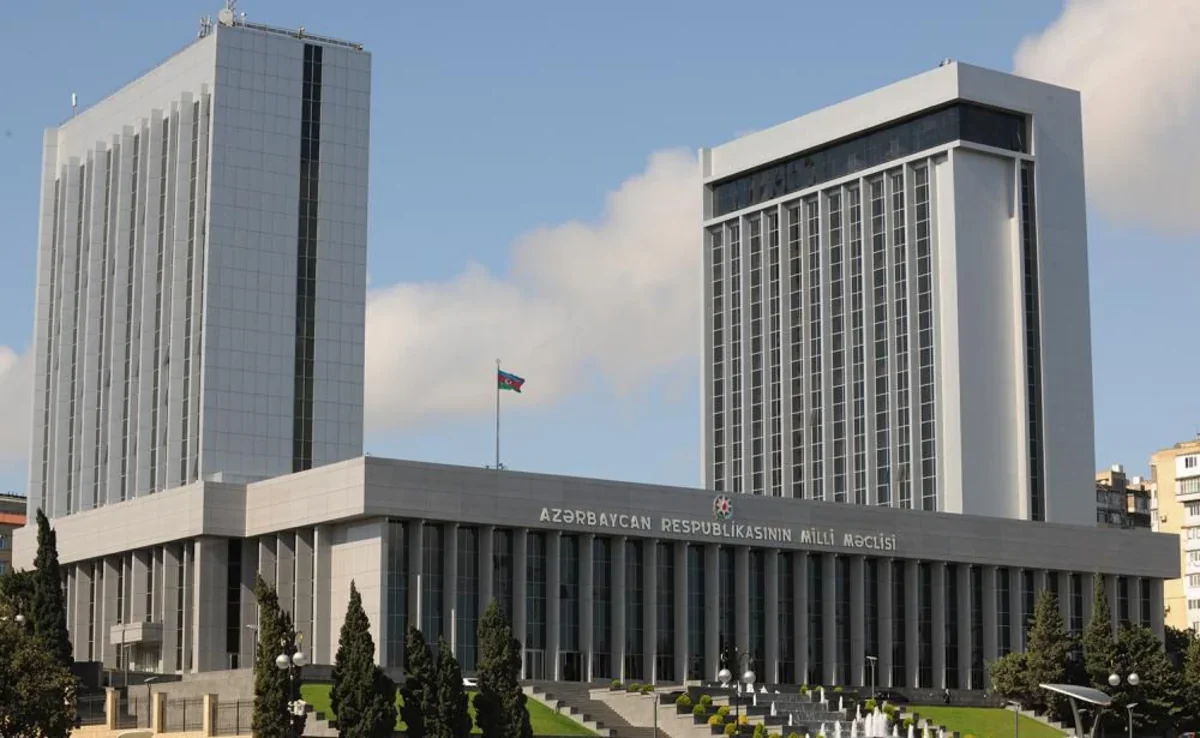
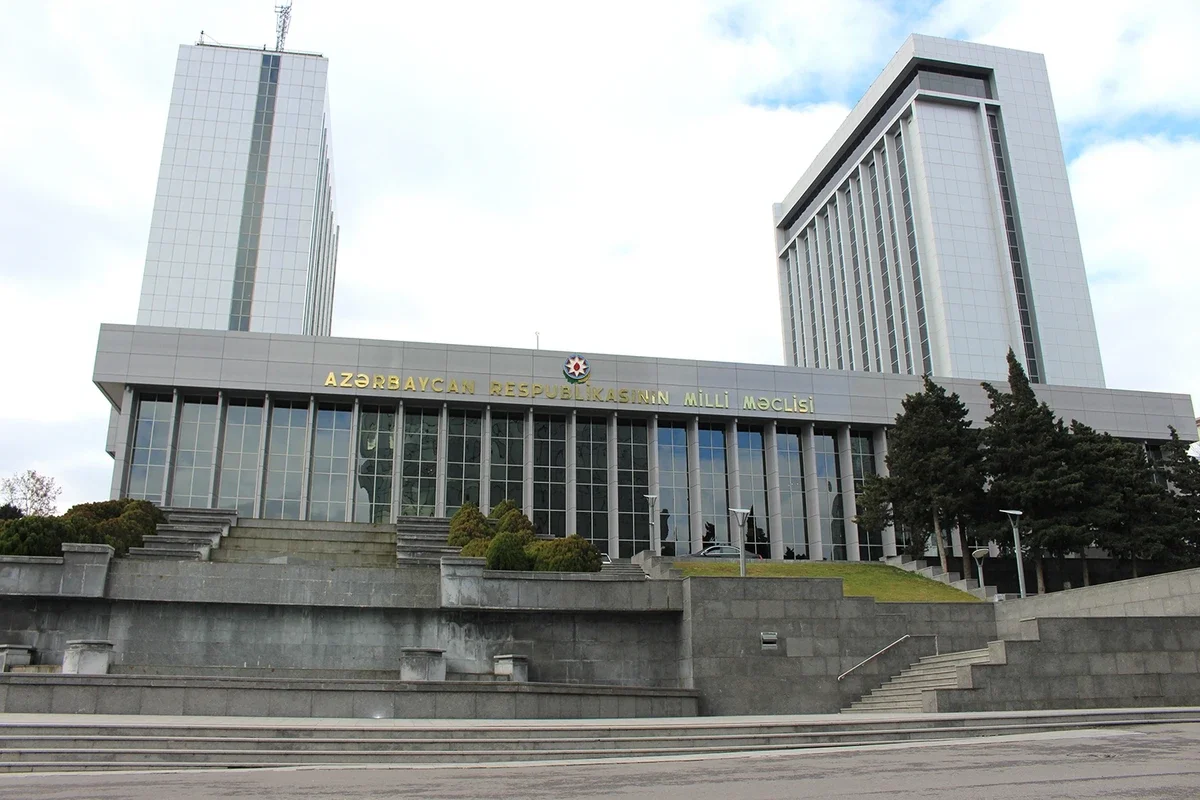
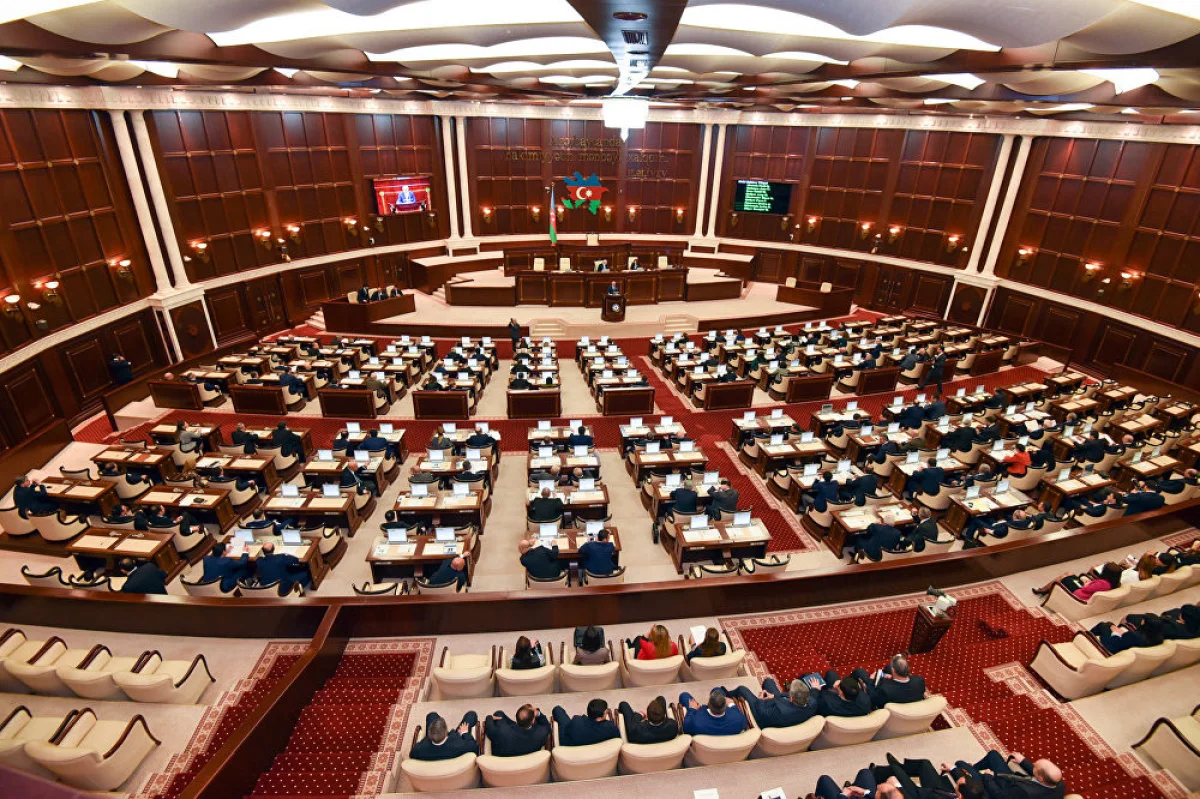
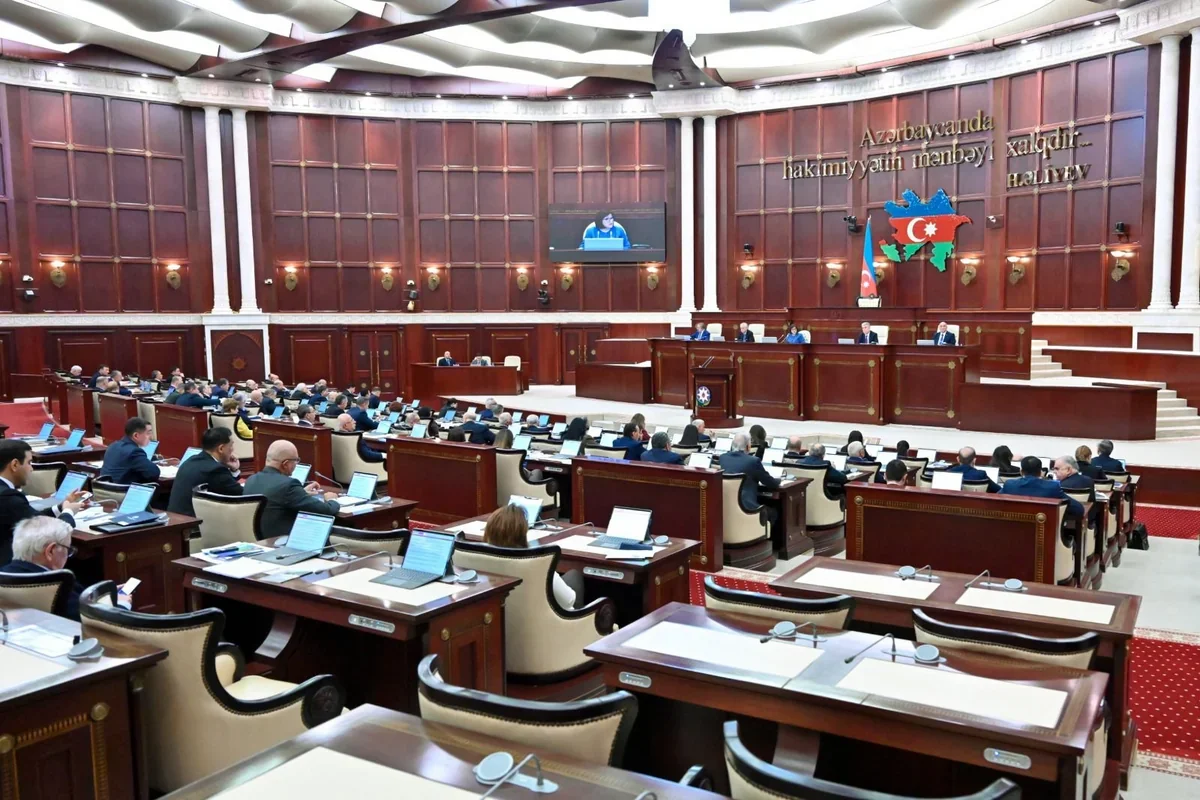
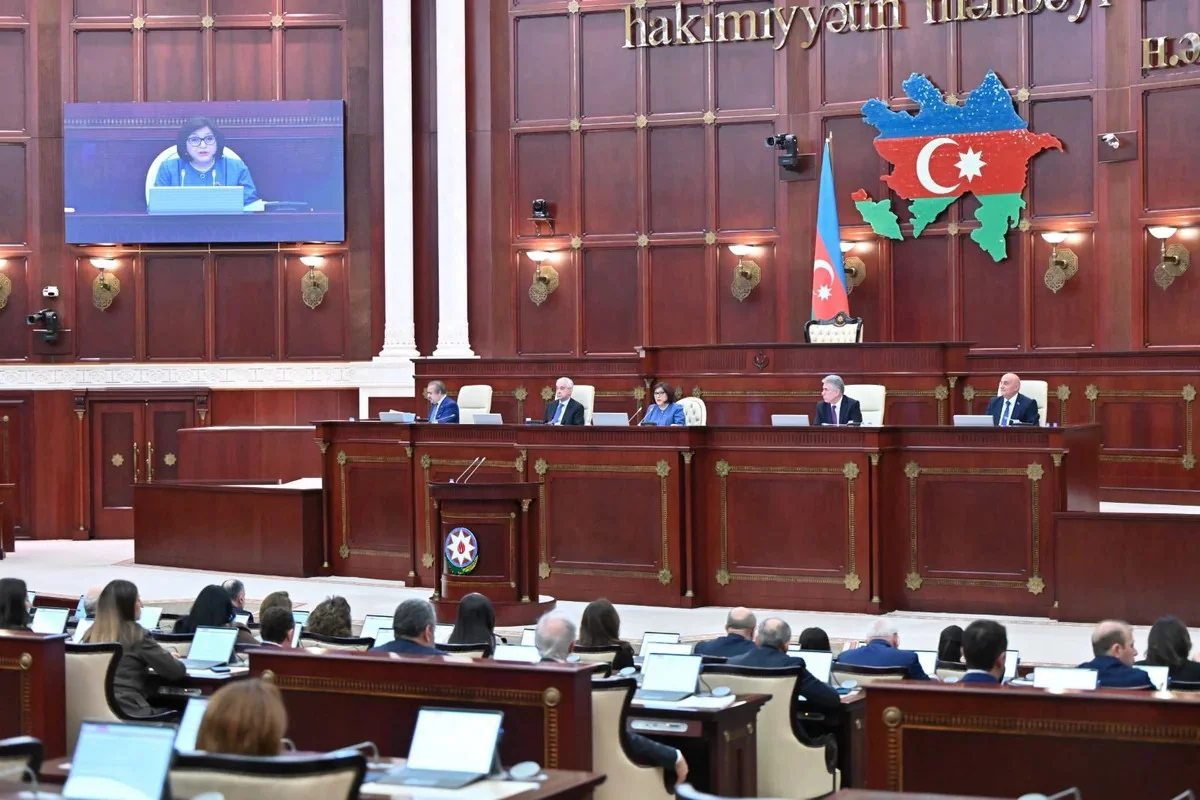
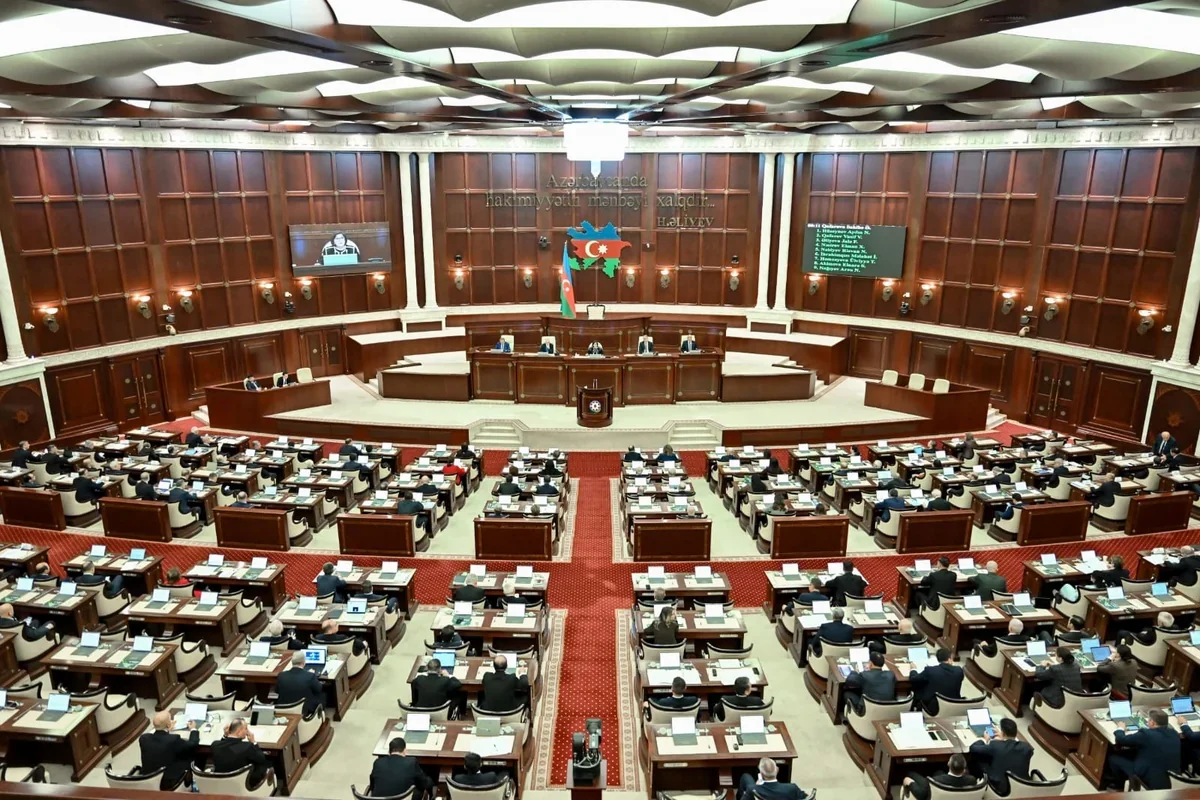
The Milli Majlis (National Assembly) of Azerbaijan has approved, in the third reading, a legislative package aimed at establishing a comprehensive legal framework for the consolidation of agricultural land. The amendments affect the Land Code, the Civil Code, and laws concerning the state cadastre of real estate, land markets, and the state registry of real estate.
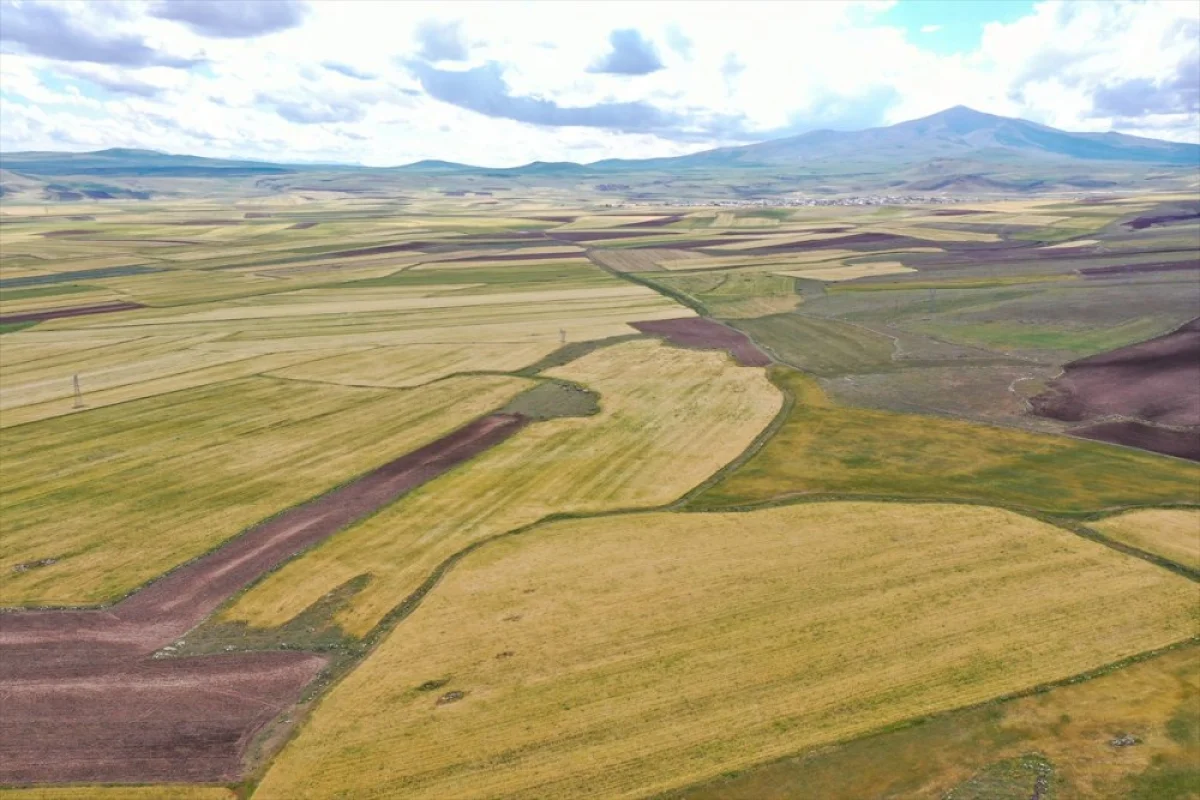
According to the Operative Information Center-OMM, the new legislation is designed to address the challenges posed by the fragmentation of agricultural land, which has historically hindered efficient resource utilization, the deployment of modern irrigation systems, and the optimal application of fertilizers and machinery.
Addressing land fragmentation
The fragmentation of agricultural plots has led to increased production costs and lower yields, impeding the socioeconomic development of rural areas. To mitigate these issues, a new article (13-2) has been added to the Land Code. This provision defines land consolidation as a process involving the voluntary merger, division, or boundary adjustment of land plots based on the consent of owners and equivalent market value. The process will be managed by a commission established by the relevant executive authority, ensuring that infrastructure improvements—such as irrigation, drainage, and road networks—are integrated into the consolidation plans.
To prevent future fragmentation, the law mandates that any sale or alienation of agricultural land will only be permitted if the resulting plots are at least 5 hectares in size.
Incentivizing consolidation through the Civil Code
The amendments to the Civil Code introduce a new article (648-1) to stimulate voluntary consolidation. Under this provision, owners of land plots adjacent to agricultural land being sold are granted a right of first refusal, allowing them to purchase the property under the same terms. This market-based mechanism encourages the natural expansion of farms. Furthermore, inheritance laws have been updated to restrict the division of agricultural land during succession, requiring that any divided parcel must remain at least 5 hectares.
Technical and administrative framework
The legislative package also expands the functions of land management services to oversee the technical aspects of consolidation, including boundary demarcation and cadastre updates. Additionally, the "Law on the State Registry of Real Estate" has been amended to include consolidation partition documents as valid grounds for the state registration of property rights, ensuring a transparent and legally secure process.
These reforms were developed by analyzing international best practices, including those from Turkey, and adapting them to the specific requirements of Azerbaijan. The initiative is expected to play a critical role in enhancing agricultural productivity, strengthening national food security, and fostering sustainable development in rural regions of the country.