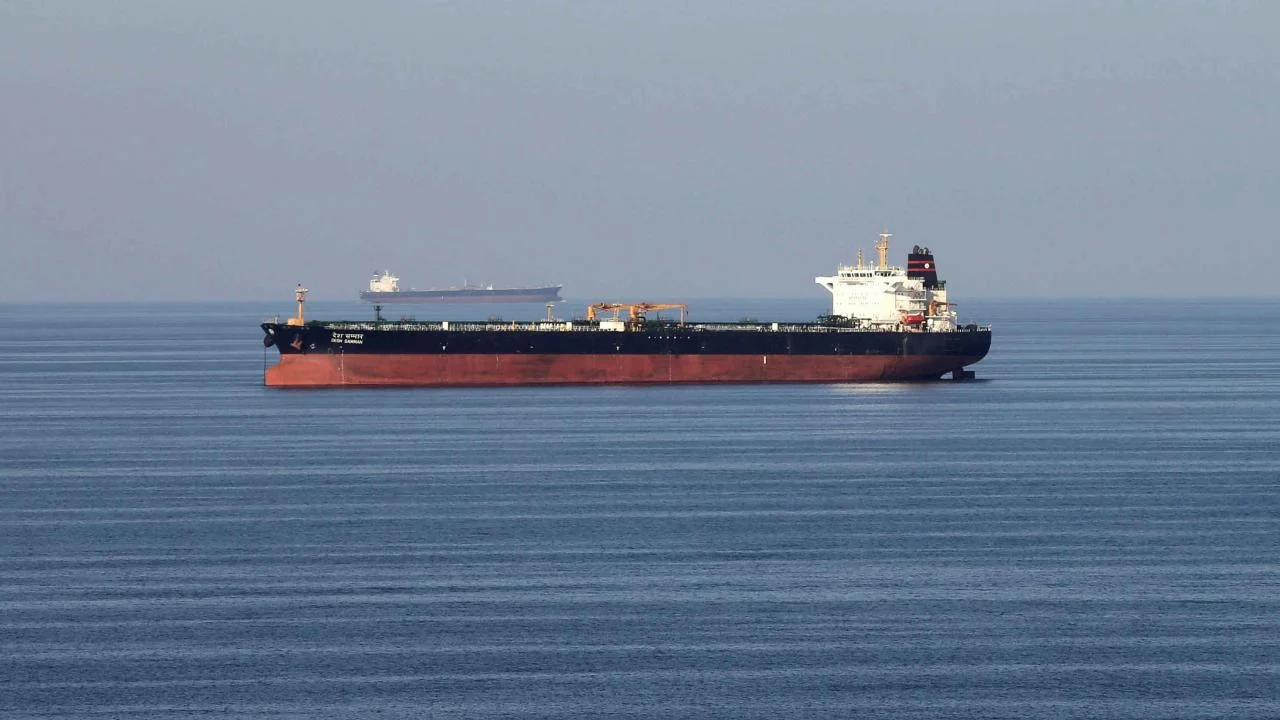
Oil prices rose sharply on Monday following the commencement of a blockade on Iranian vessels by the United States. Operative Information Center-OMM reports that the US dollar gained value while stocks and bonds declined in the wake of inconclusive weekend peace negotiations.
This move by the administration of US President Donald Trump, aimed at maintaining pressure on Tehran, further intensifies uncertainty regarding energy exports in the Middle East. Brent crude oil futures surged by 7.3% to reach $102 per barrel. This represents an increase of more than 40% since conflict-related disruptions halted navigation in the Strait of Hormuz. In the Asian session, S&P 500 futures fell by 0.7%, while European futures dropped by 1.4%. Japan's 10-year bond yield reached 2.49%, marking its highest level in 29 years.
Saul Kavonic, an analyst at MST Marquee, stated that the market has effectively returned to a pre-ceasefire state. The primary concern remains whether the US will renew strikes against Iran, which could have a long-term impact on energy infrastructure in the region. According to reports from the Wall Street Journal, officials are considering limited strikes against Iran. In currency markets, the euro fell 0.3% to $1.1687, while major indices in Asian stock markets lost approximately 1% of their value.
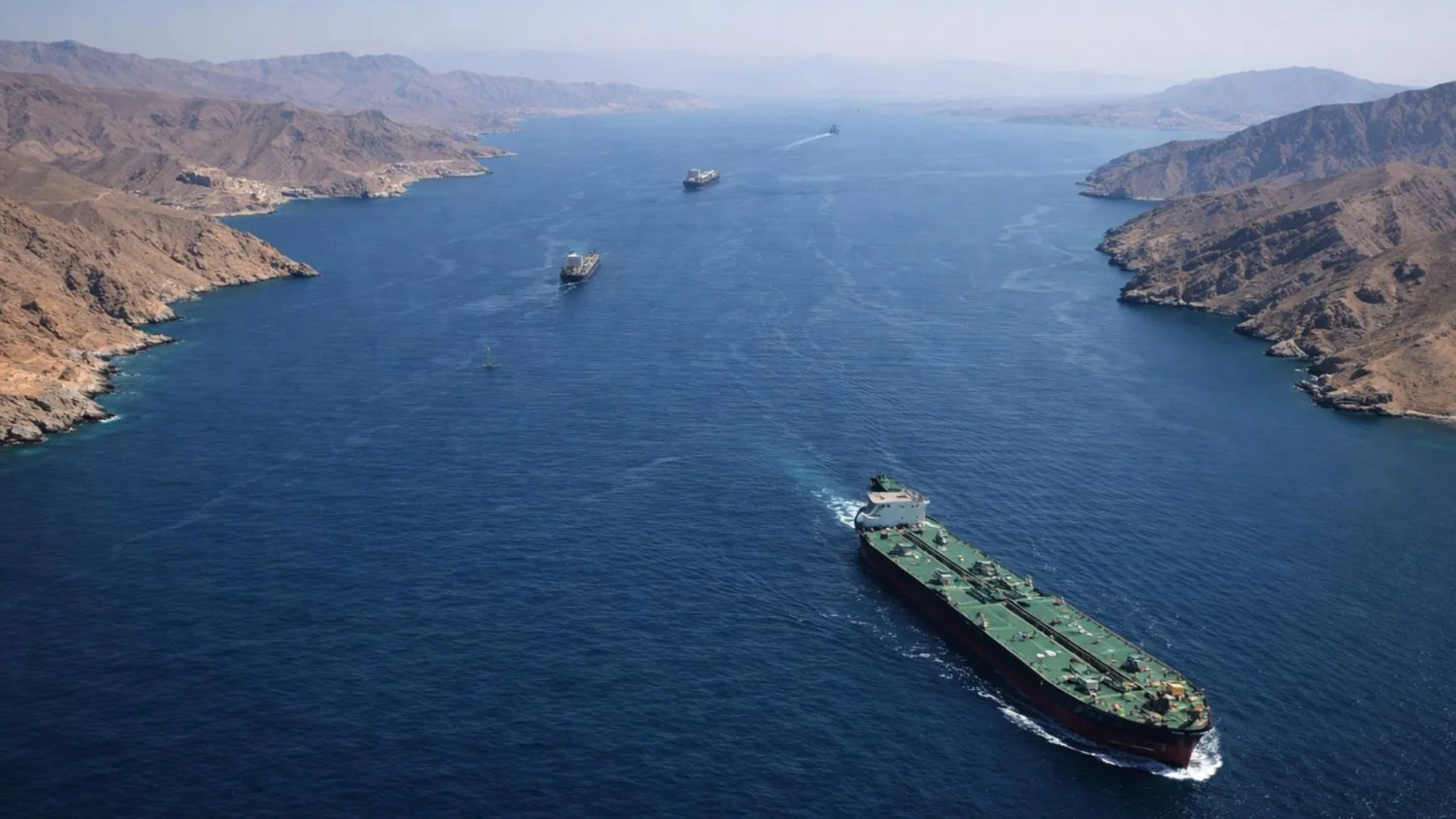
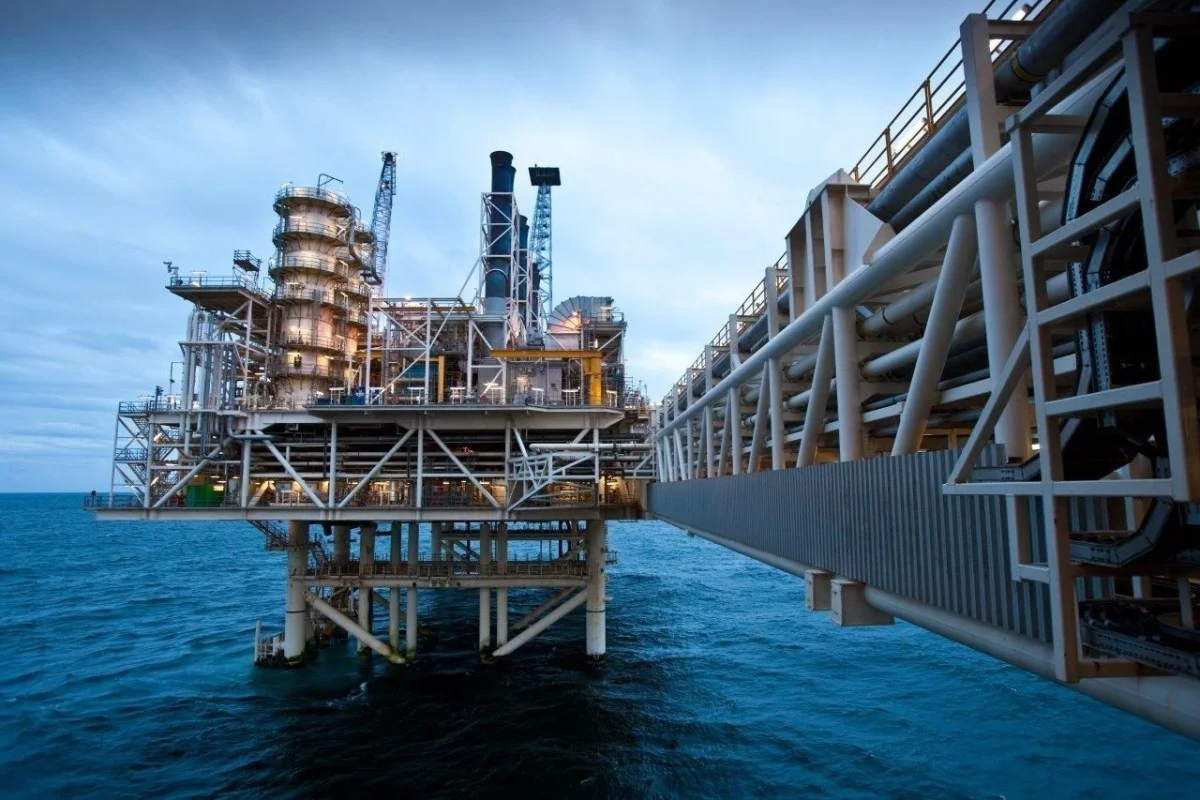
The Strait of Hormuz remains one of the world's most critical energy chokepoints, with approximately one-fifth of the world's total oil consumption passing through the waterway daily. Any prolonged instability in this region typically leads to significant volatility in global energy markets and impacts inflationary pressures worldwide. Azerbaijan, as a significant energy producer and exporter in the Caspian region, closely monitors these global market fluctuations which influence international crude pricing benchmarks.