A recent analysis published in the Monthly Review journal examines the rising concept of "ecofascism" in the United States and the underlying causes of the global ecological crisis.
According to the Operative Information Center-OMM, the article titled "The Destruction of Reason and the Rise of Ecofascism in the United States," featured in the journal's June issue, argues that the ecological challenges facing the planet are not merely environmental issues but the result of a deeper, systemic crisis. Authors Brett Clark and John Bellamy Foster contend that in the era of "late imperialism," the pursuit of monopoly capital growth is actively destroying the fundamental conditions necessary for life.
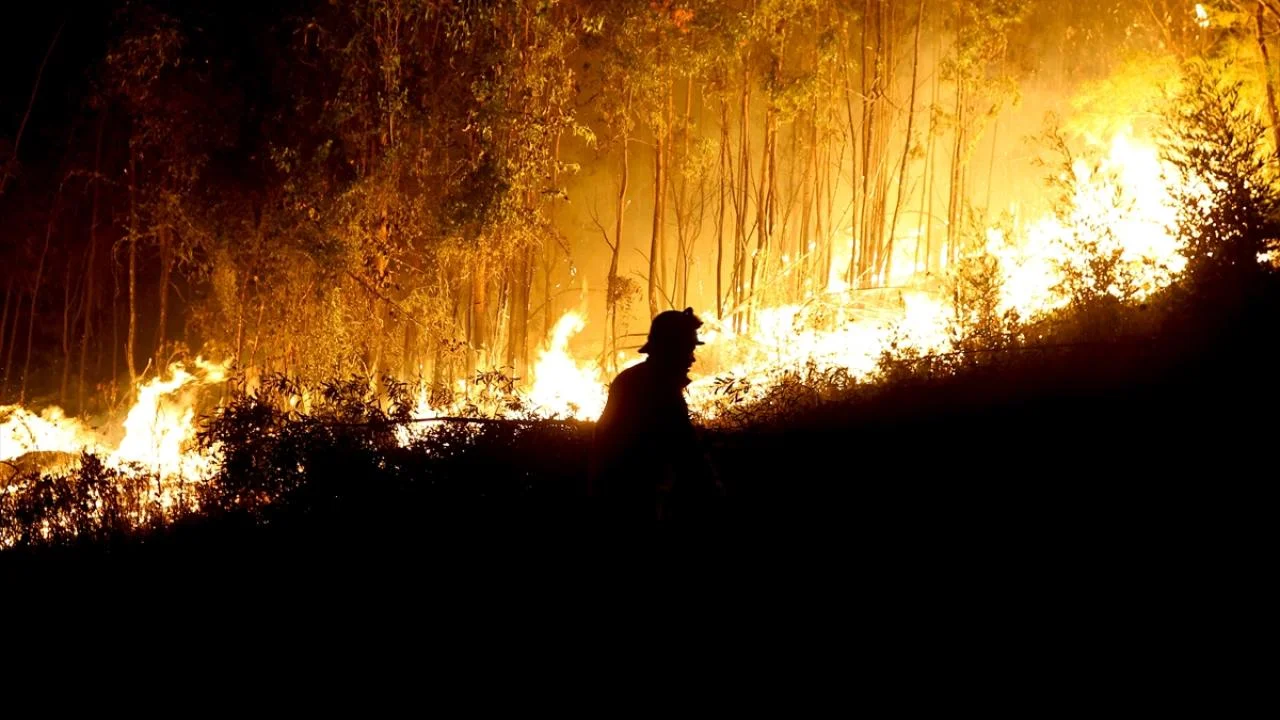
The authors highlight that processes such as climate change and the loss of biodiversity are inherent outcomes of the capitalist production model. As capital reaches its structural limits, the analysis suggests it increasingly favors authoritarian governance. Consequently, instead of scientific solutions to ecological crises, policies prioritizing coercion, conflict, and resource control are prioritized.
Furthermore, the article identifies specific policies during the administration of US President Donald Trump—such as the withdrawal from the Paris Agreement, the expansion of fossil fuel production, and the rollback of environmental protections—as key examples of "ecofascism." The authors argue that this approach, which denies climate science and intensifies competition for natural resources, represents a new authoritarian political model designed to serve the interests of capital.
Drawing on Hungarian Marxist philosopher Georg Lukács's work The Destruction of Reason, the analysis emphasizes that during periods of capitalist crisis, irrationality becomes an ideological tool for the ruling classes. The authors note that this trend has gained renewed relevance in the modern United States through scientific denialism, conspiracy theories, extreme nationalism, and authoritarian tendencies.
The analysis concludes that humanity faces a critical choice between the current economic model, which deepens ecological destruction, and a new system of social production in harmony with nature. It also frames US strategies regarding China, energy policies toward Iran and Venezuela, and the surging energy demands of artificial intelligence hubs as integral components of the broader global ecological crisis.