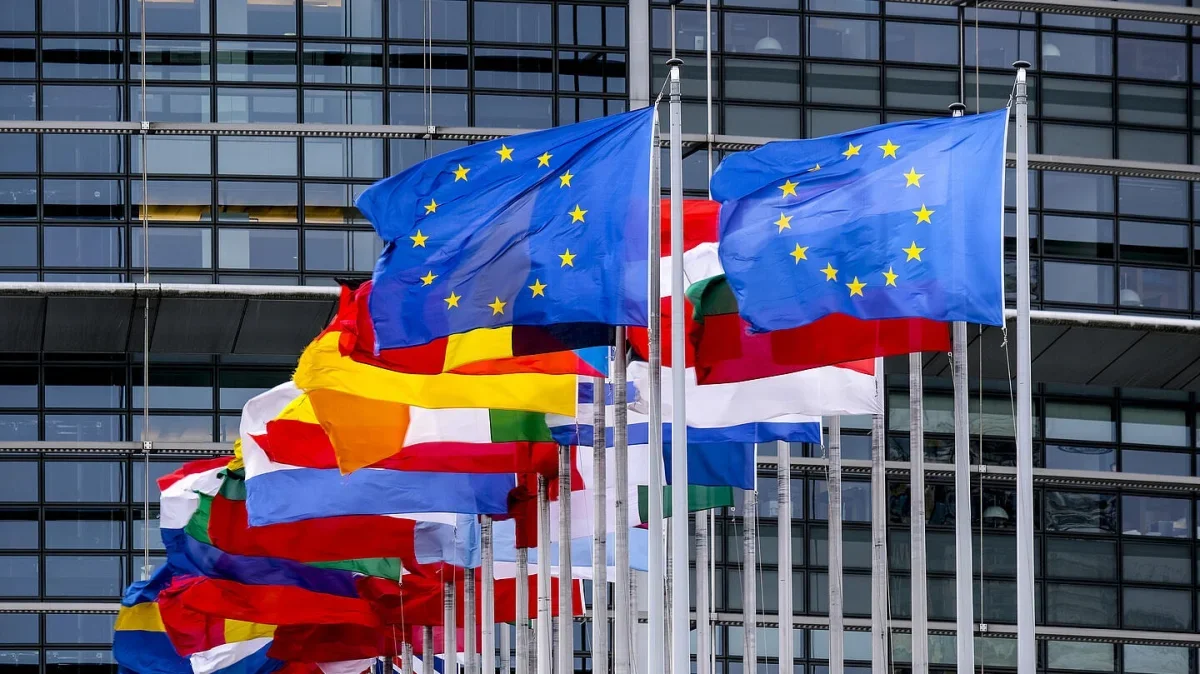
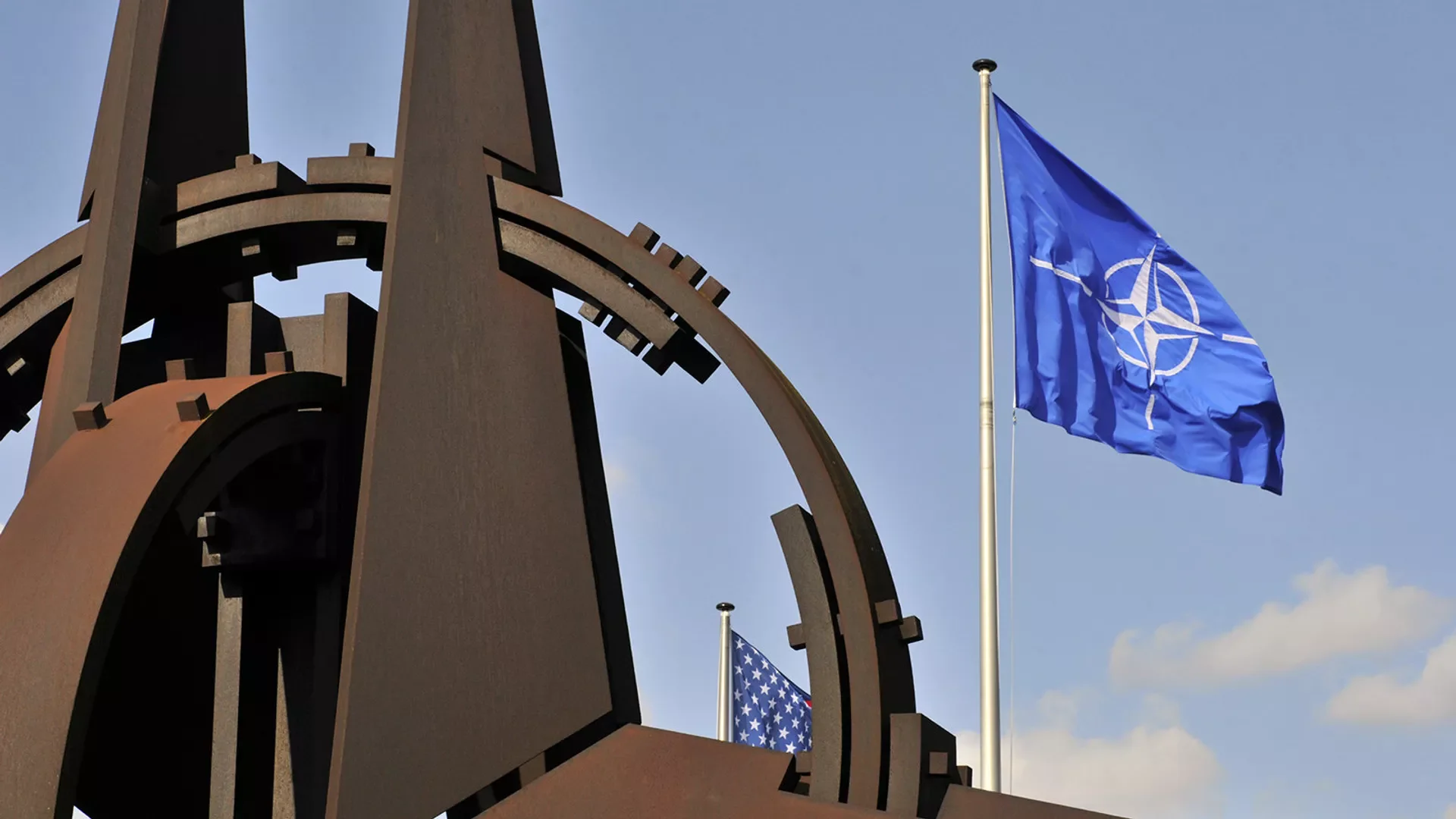
The alliance between the United States and Europe is currently described as "damaged but not destroyed," according to reports from Politico. Despite observed shifts in American strategic priorities, diplomatic and military cooperation between Washington and its European allies remains active and productive.
Operative Information Center-OMM reports that a representative from a NATO member state emphasized that the US is not "abandoning" its allies. Sources within US and European diplomatic and defense circles highlighted that joint military exercises continue as planned, and the US maintains its commitment to stationing troops across the continent. A NATO officer noted that Russian President Vladimir Putin's efforts to divide the alliance have failed, citing the accession of Sweden and Finland as evidence of strengthened unity. "We are in a better position, and everyone—not just Europeans, but also many Americans—is convinced of the importance of NATO," the official added.
Transatlantic relations have faced renewed scrutiny following the inauguration of US President Donald Trump in January 2025, as his administration emphasizes a shift in foreign policy priorities. Historically, the NATO alliance has served as the cornerstone of Western security since its inception in 1949. Recent geopolitical challenges have prompted European nations to increase defense spending while maintaining strategic ties with Washington. The inclusion of Nordic countries marks one of the most significant expansions of the alliance in decades, reinforcing the collective defense mechanism in the face of regional instability.