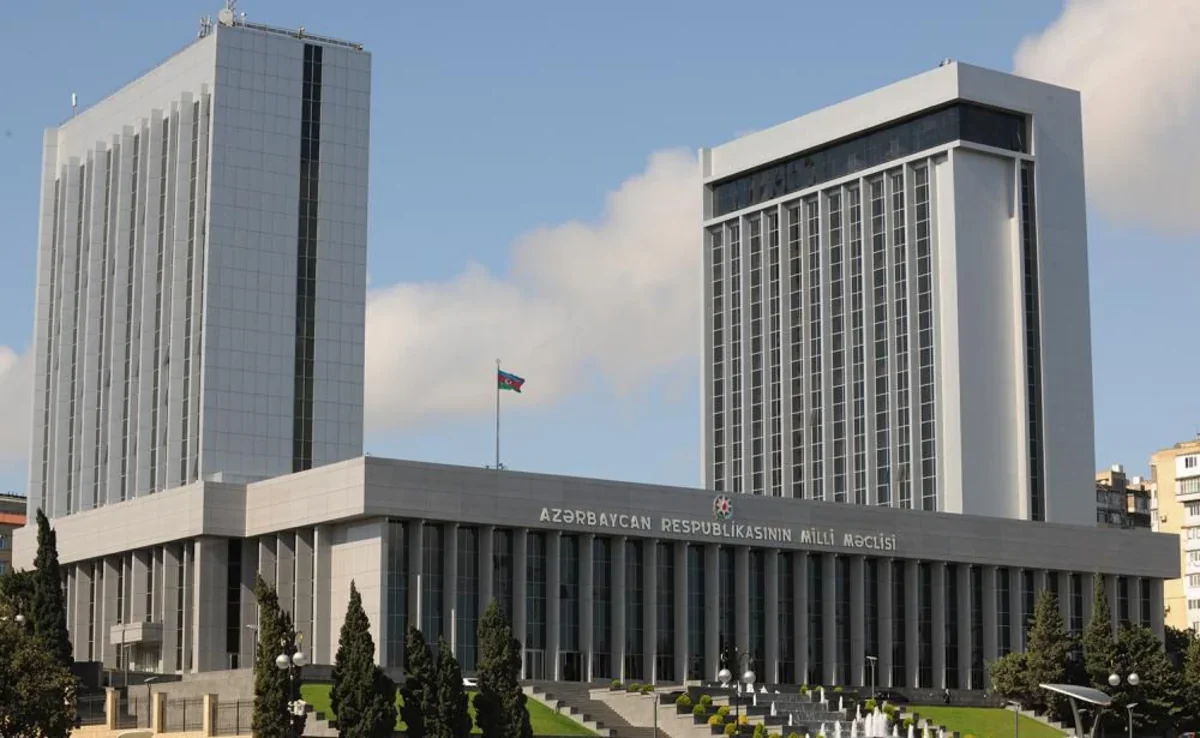
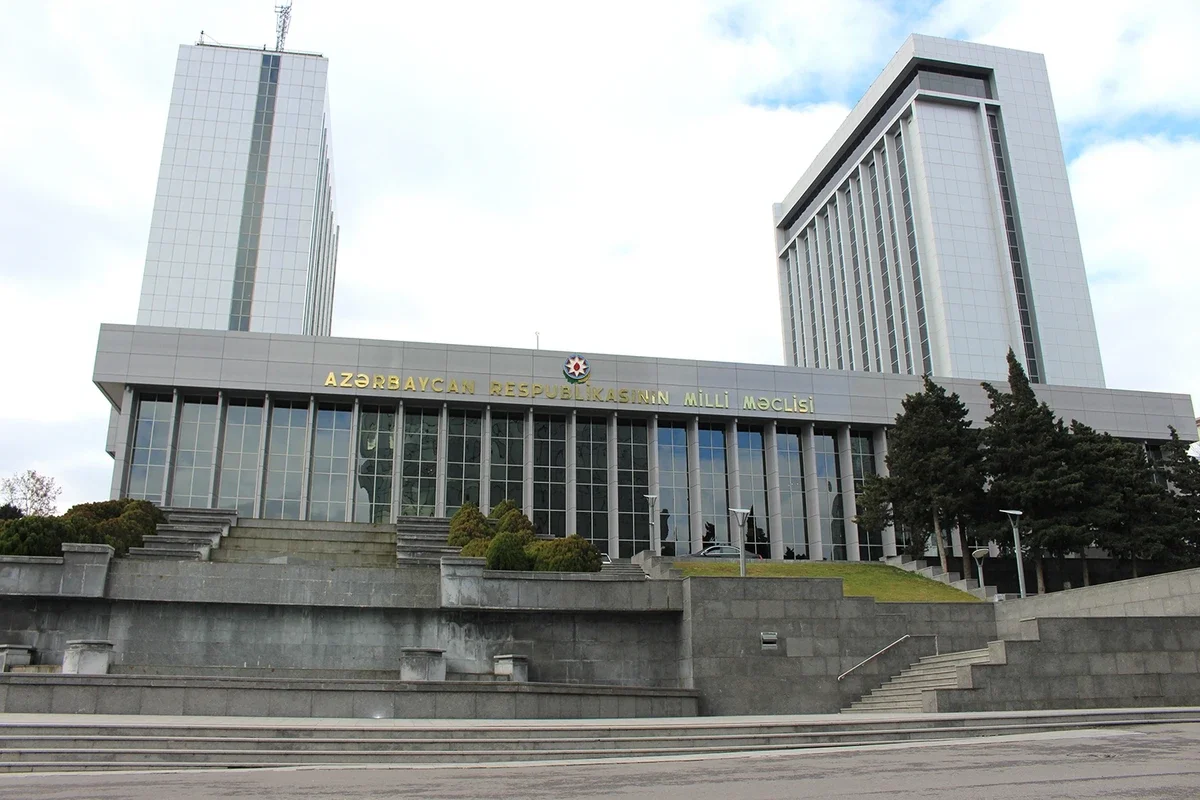
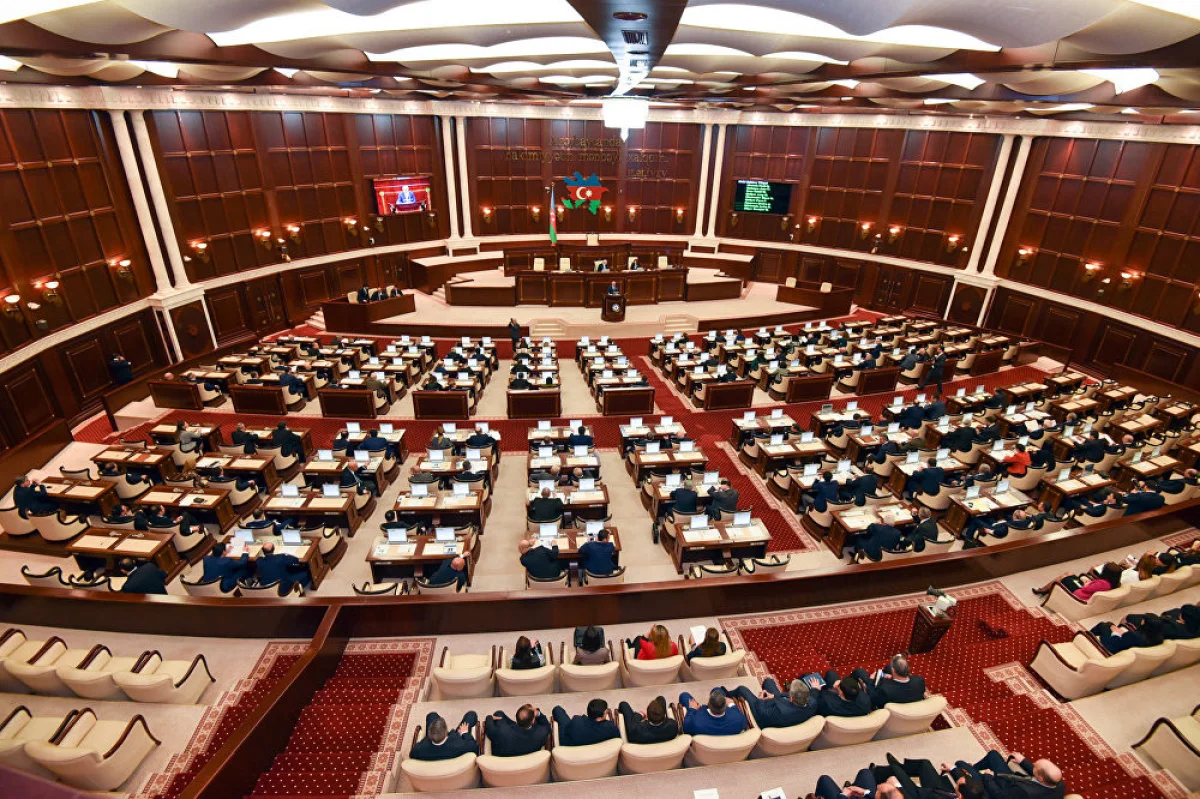
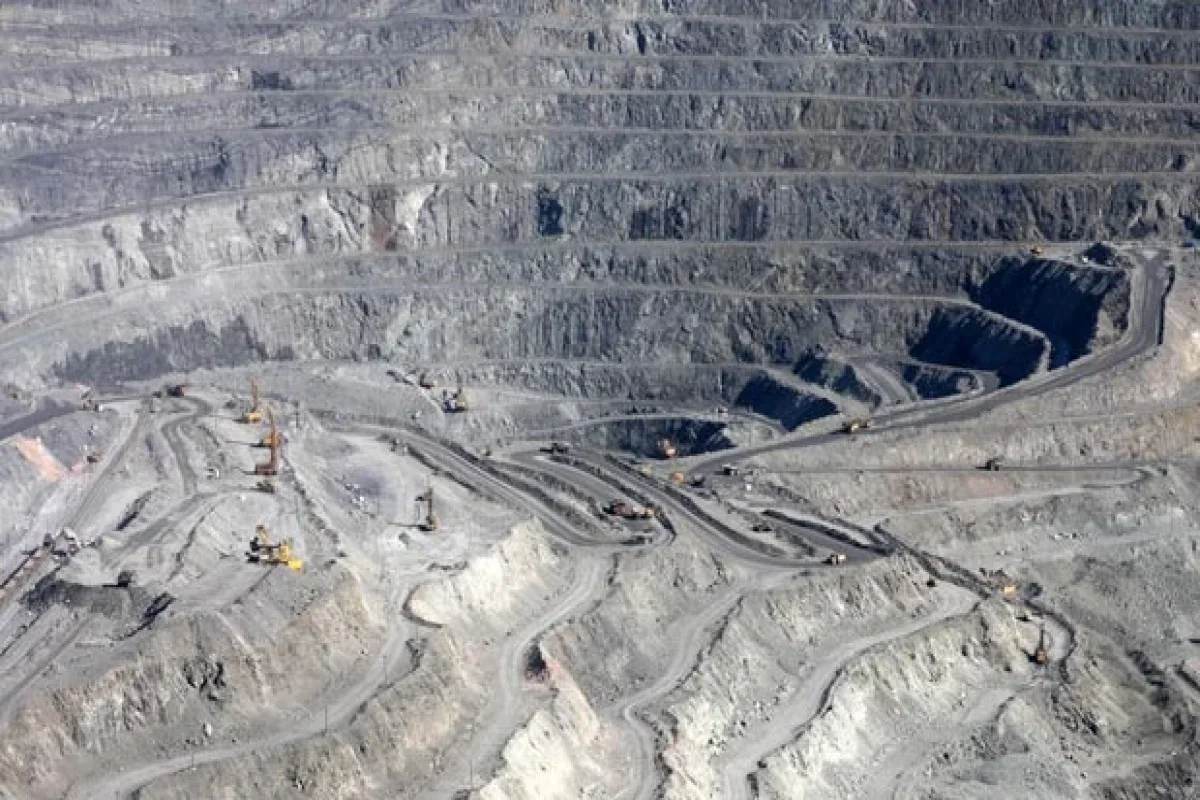
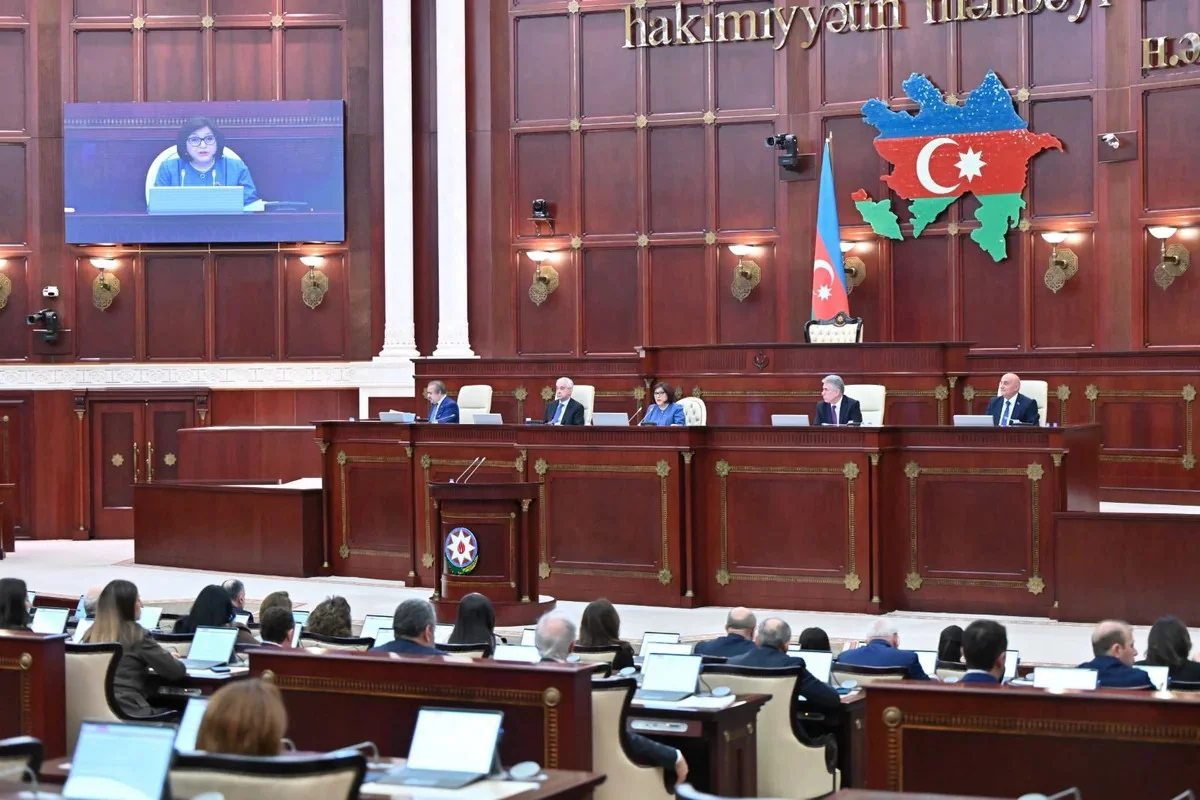
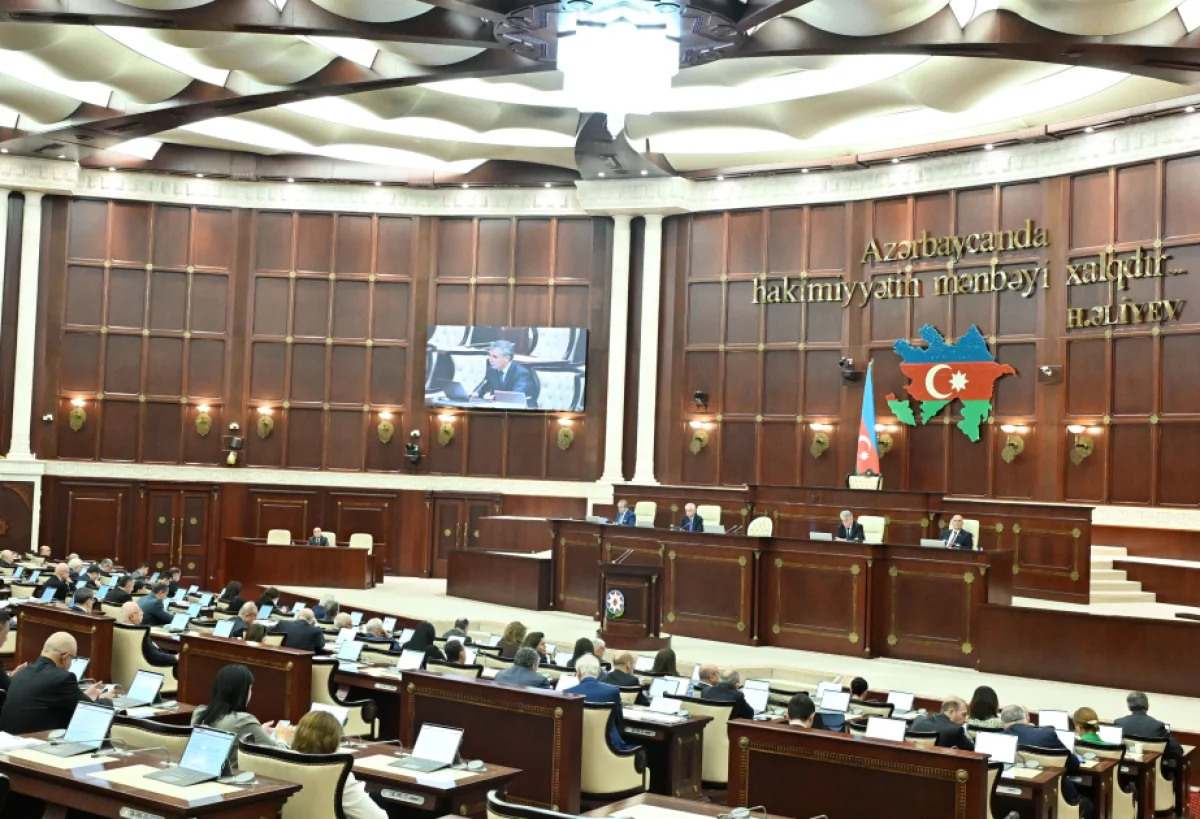
The Milli Majlis (National Assembly) of Azerbaijan has passed a new bill in its first reading aimed at regulating the use of subsoil resources, specifically addressing the extraction of sediments such as sand, gravel, and clay from reservoirs and water bodies, as well as rocks excavated during tunnel construction. The legislation integrates these activities into the official categories of subsoil use within the country.
Operative Information Center-OMM reports that the draft amendments to the Law "On Subsoil" were extensively discussed during today's plenary session of the parliament in Baku. The new regulations seek to modernize the legal framework governing the extraction of non-ore mineral resources and enhance environmental oversight.
Industrial Waste and Health Safety Measures
Under the new provisions, subsoil users will be granted the right to utilize production waste generated during mining operations. This process will be regulated according to procedures established by the relevant executive authority. Furthermore, the Cabinet of Ministers will define specific health and safety measures for users engaged in the exploitation of non-metallic mineral deposits.
The legislation also clarifies the procedures for granting subsoil use rights through direct negotiations. This move is expected to streamline the administrative process for developers while ensuring that the state maintains strict control over the country's natural resources.
Direct Negotiations and Increased Transparency
The project emphasizes that subsoil rights in Azerbaijan are granted in accordance with the Law "On Licenses and Permits," primarily through auctions (tenders or competitions) or direct negotiations. While the Cabinet of Ministers has already approved cases where direct negotiations apply to various sectors (excluding precious and non-ferrous metals), the new amendment formalizes the approval process for these negotiations.
This legislative step is designed to increase transparency in the selection of subsoil users and provide greater legal certainty for both domestic and foreign investors operating in Azerbaijan's mining and construction sectors.
Land Reclamation: New Environmental Requirements
A significant addition to the law is a new article titled "Reclamation of Subsoil Plots." According to the document, users are now legally obligated to ensure the restoration of lands to preserve soil fertility and improve the environment. This process must be carried out based on a specific reclamation plan.
Physical and legal entities involved in mineral extraction or underground construction must submit this plan within 3 (three) months of obtaining their usage rights. A positive opinion from the state ecological expertise is a mandatory requirement for the plan's approval. Depending on the chemical composition of the rocks and the nature of the site, various reclamation methods—including mechanical, biological, chemical, and thermal—will be applied.
Key Factors in the Reclamation Plan
When preparing the reclamation plan, the following factors must be taken into account:
- Volume of the fertile soil layer and the designated area for its storage;
- Characteristics of the minerals and associated rocks;
- The hydrogeological and engineering-geological conditions of the area;
- Environmental impact and changes in rock properties during storage;
- Prevention of groundwater pollution;
- The duration of mineral exploitation;
- Methods, sequence, and timeline of restoration.
The specific rules for land reclamation in areas where subsoil operations are conducted will be governed by the relevant executive body. Following the discussions, the bill was put to a vote and passed in the first reading.
This legislative update reflects Azerbaijan's ongoing commitment to sustainable resource management and environmental protection. By aligning subsoil use with modern ecological standards, the government aims to balance industrial growth with the preservation of the Republic's natural landscapes, particularly in newly developed economic zones and liberated territories.