The prospects for a potential agreement between the United States and Iran regarding the nuclear program and regional issues have returned to the global agenda. The U.S. side has explicitly stated it will not enter into any agreement that does not align with Washington's strategic interests and global security requirements.
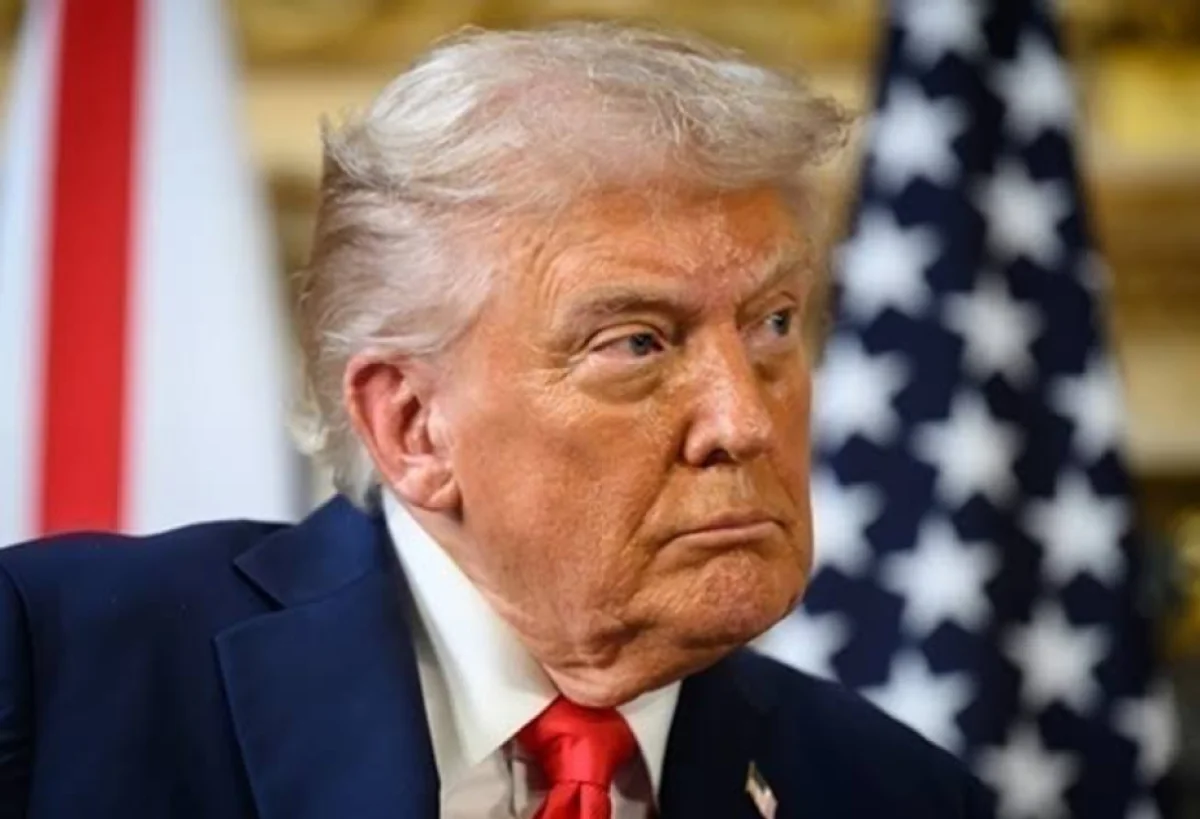
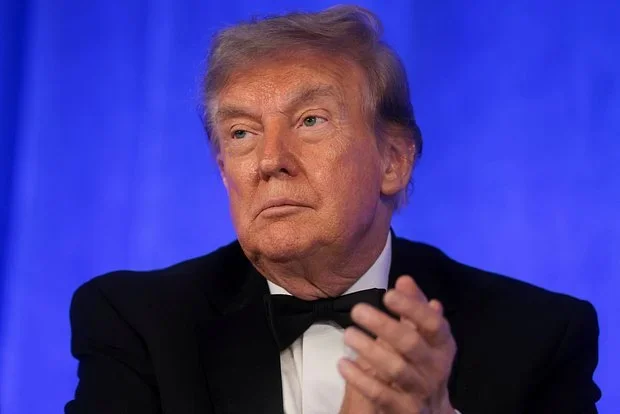
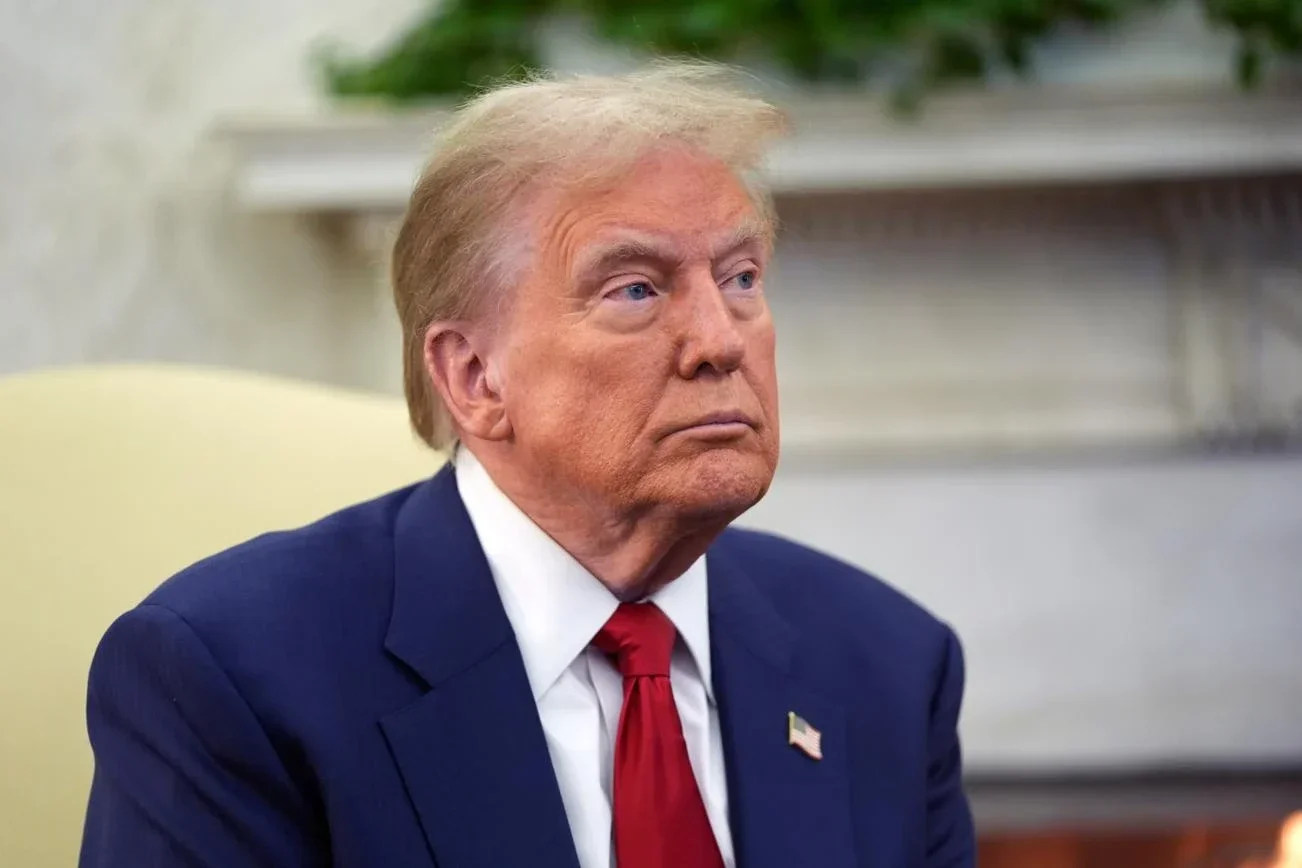
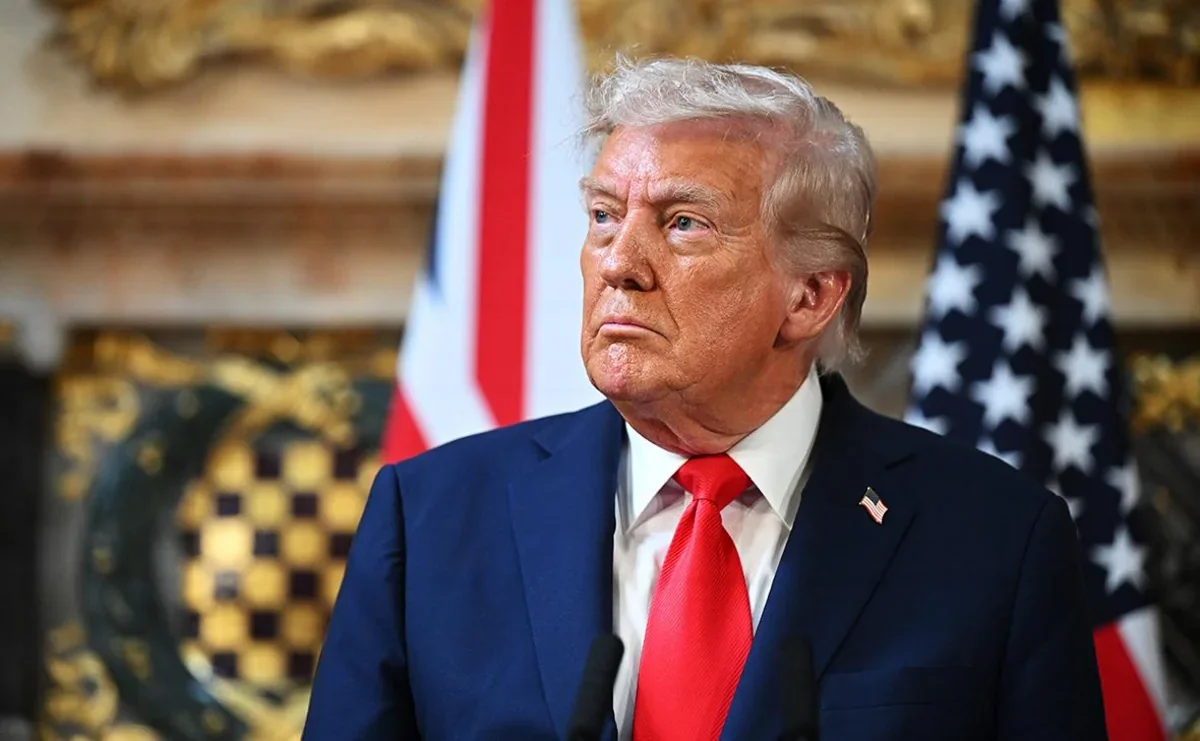
According to the Operative Information Center-OMM, citing reports from The New York Times (NYT), Olivia Wells, a representative of the U.S. administration, emphasized that Washington does not intend to conduct negotiations with Iran through the media and that the country’s "red lines" have been clearly defined. She noted that US President Donald Trump will only accept a deal that provides tangible benefits for both the United States and the international community.
On April 11, several rounds of negotiations took place in Islamabad between Iranian and U.S. delegations. The Iranian side was led by Parliament Speaker Mohammad Bagher Ghalibaf, while the U.S. delegation was headed by Vice President J.D. Vance. Despite the high-level engagement, no long-term agreement was reached due to significant disagreements on core issues. A date for a new round of talks has not yet been scheduled. Reports from Al-Mayadeen television indicate that Iran has submitted a three-stage negotiation plan to the U.S. through mediators, which includes a cessation of military operations and security guarantees, followed by discussions on the management of the Strait of Hormuz, and finally, the nuclear program.
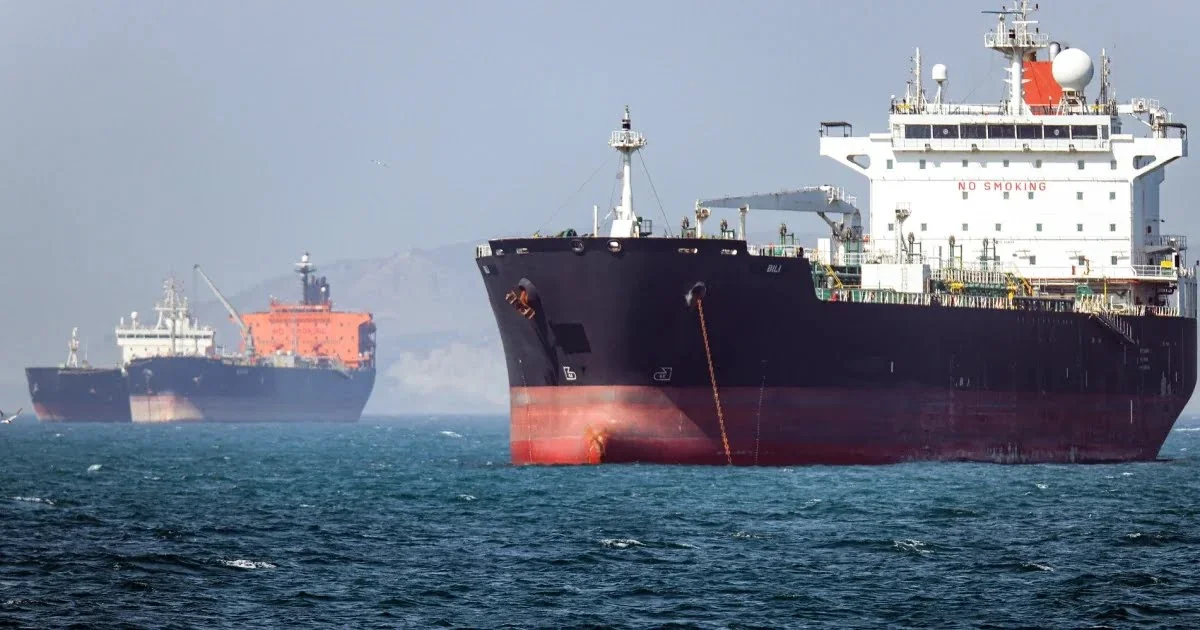
The relationship between Washington and Tehran has remained a focal point of international diplomacy since the U.S. withdrawal from the Joint Comprehensive Plan of Action (JCPOA) in 2018. The current administration under US President Donald Trump continues to emphasize a policy of strategic pressure combined with a willingness to negotiate only under strict conditions that ensure regional stability and prevent nuclear proliferation. The Strait of Hormuz remains a critical geopolitical flashpoint, as it serves as a primary transit route for global oil supplies, making its management a high-stakes issue for international energy security and the global economy.