In the first half of 2026, authorities received 60 complaints regarding illegal interventions at historical and cultural monuments, leading to subsequent referrals to law enforcement agencies.
According to information provided by the State Service for the Protection, Development, and Restoration of Cultural Heritage to the "Operative Information Center-OMM", these figures are detailed in the "Cultural Heritage Review" for the first half of 2026.
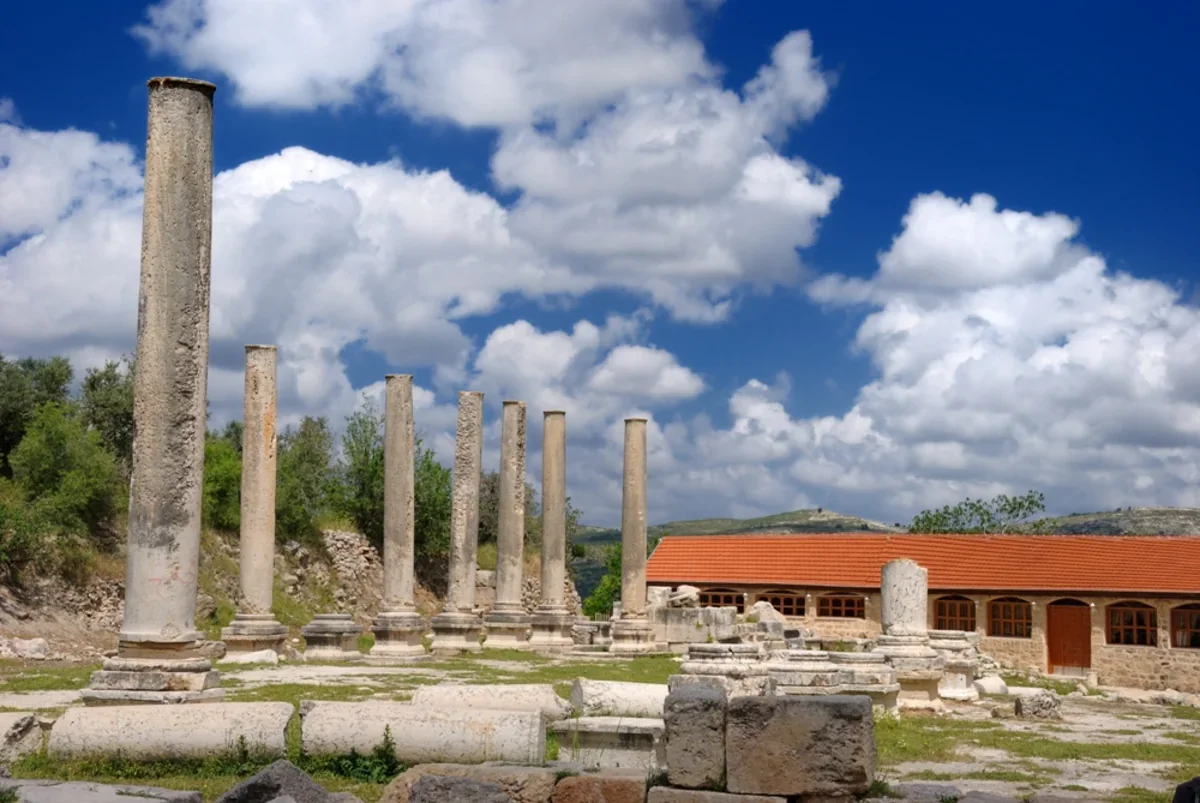
The State Service currently oversees the protection of 4,377 registered historical and cultural monuments out of 6,114 under state protection, alongside more than 1,400 newly discovered sites. A significant advancement in this sector is the establishment of the Unified Cultural Registry information system, which has integrated 3,709 immovable cultural heritage objects into a single digital platform using Geographic Information System (GIS) technologies.
During the reporting period, the State Service implemented 200 preventive measures to curb illegal activities, issued 32 administrative penalty decisions, and initiated one criminal case related to legislative violations. Furthermore, 183 protection agreements were signed with property owners and users to regulate the preservation of these sites.
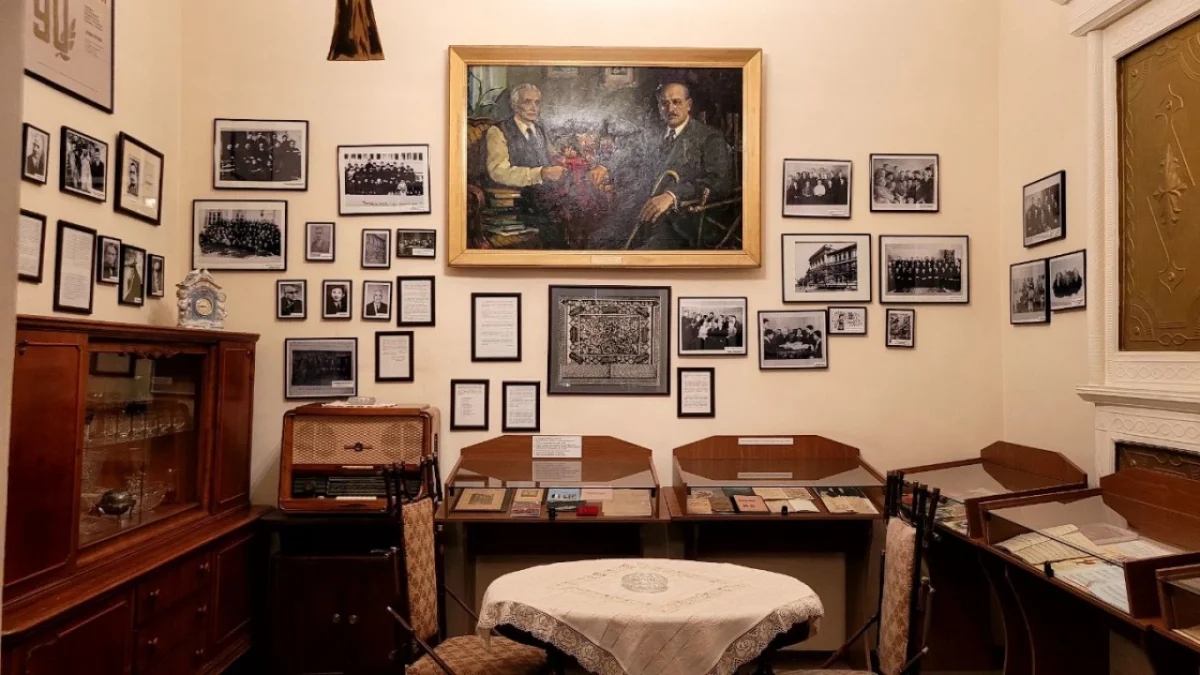
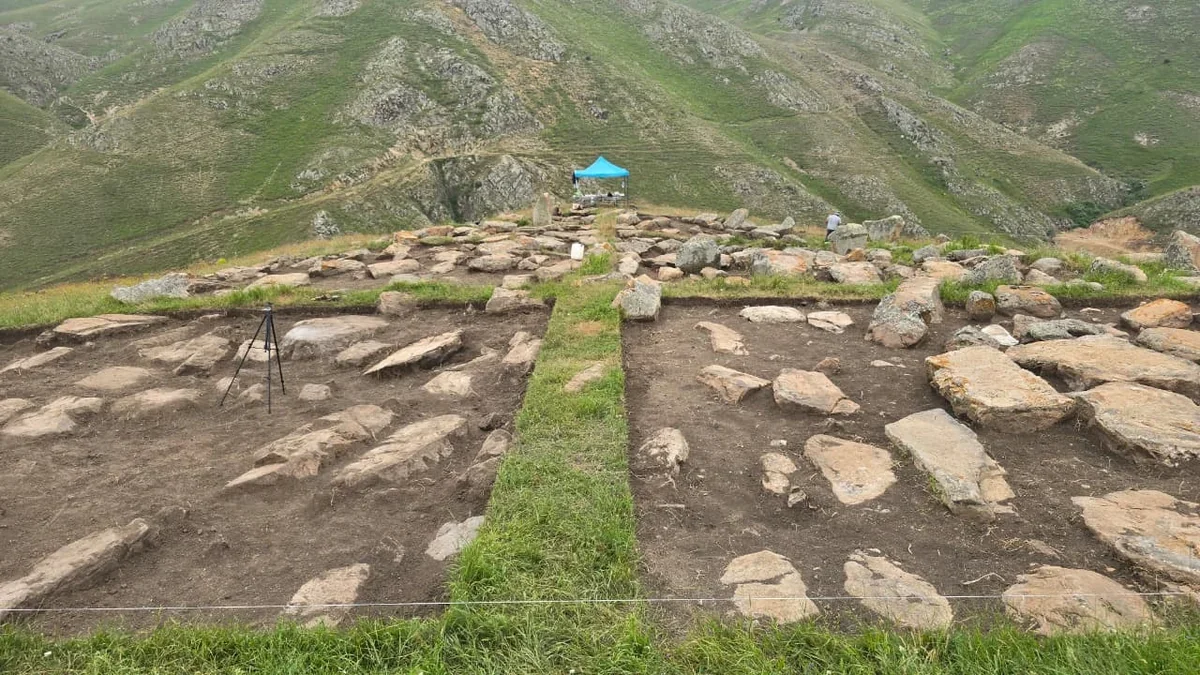
Efforts to define protection zones for monuments also continued, with 98 protection zone projects approved. Additionally, 73 expert opinions were issued to ensure the protection of cultural heritage within the framework of infrastructure projects in the liberated territories of Azerbaijan. In the first half of 2026, museums and reserves under the State Service welcomed 463,965 visitors, with the Gobustan National Historical-Artistic Reserve emerging as the most visited site.
The protection of cultural heritage is a priority for the Republic of Azerbaijan, particularly following the restoration of its territorial integrity. The government continues to invest in the preservation of historical sites, especially in the Garabagh and East Zangezur economic regions, ensuring that cultural assets are cataloged and protected against damage or unauthorized development.