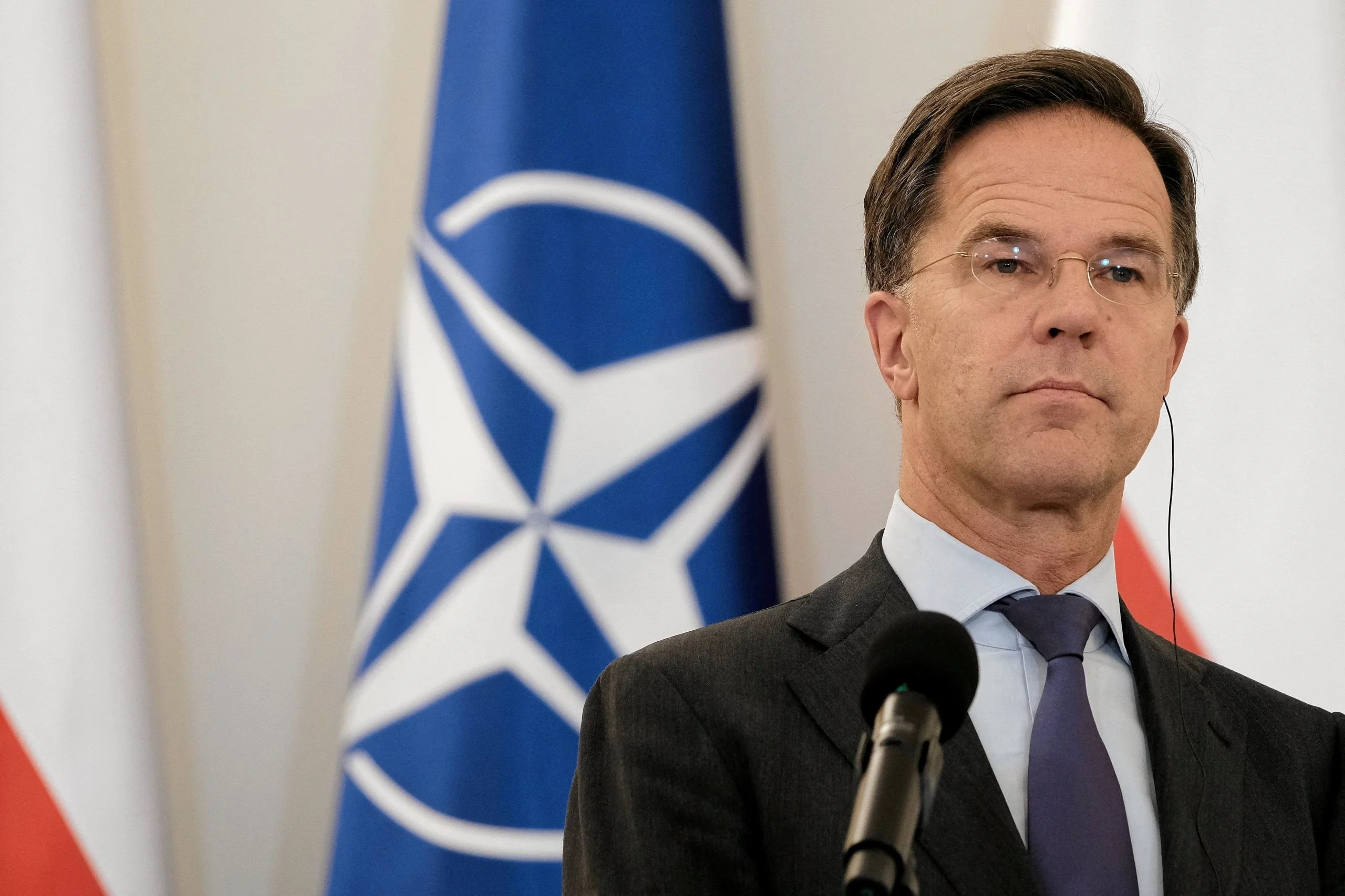
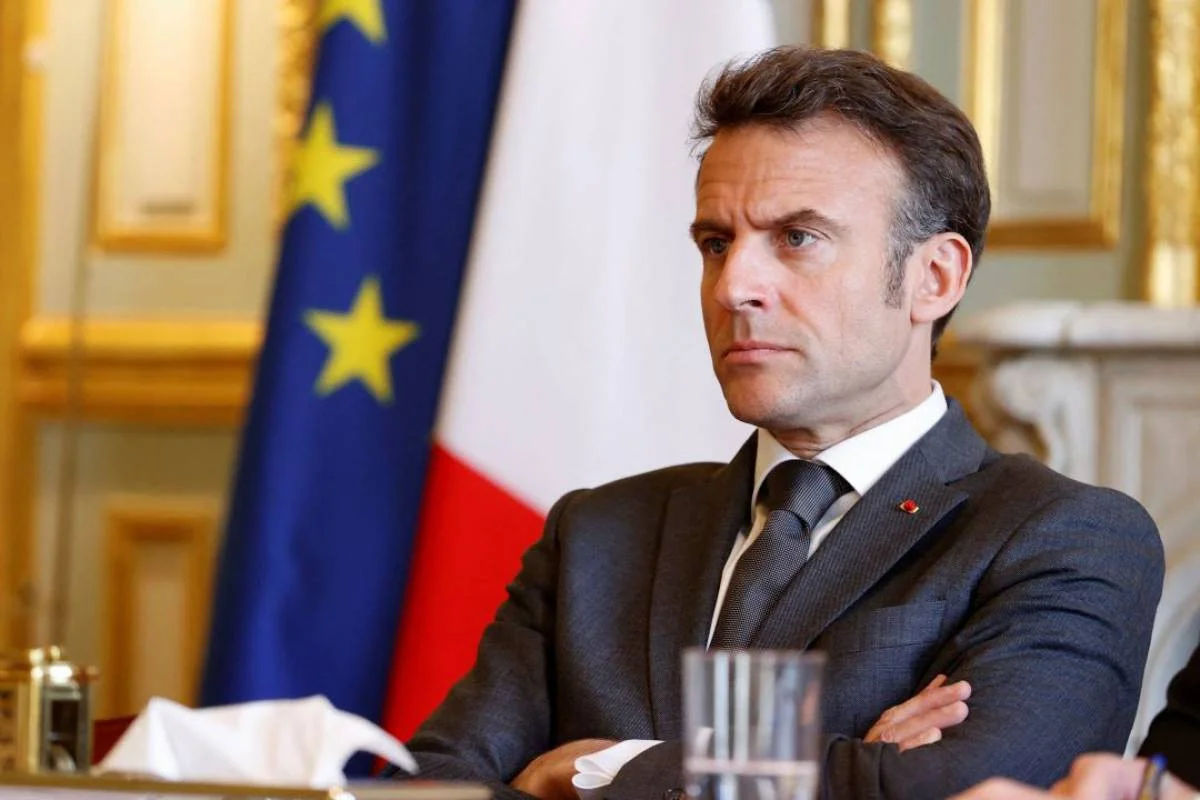
Several distinct groups are forming among European NATO members based on differing strategic priorities, according to Sergey Grinyaev, a senior researcher at the Institute of Europe of the Russian Academy of Sciences. Operative Information Center-OMM reports that Grinyaev detailed these findings in an article published in the institute's journal.
The expert noted that this trend is most evident between Eastern European countries—particularly pro-American Poland—and the alliance's Western European members, specifically Germany and France. Grinyaev emphasized that Warsaw is steadily increasing its military spending, which has already exceeded 4% of its GDP. Poland is actively procuring American and European weaponry, including advanced air defense systems and combat drones, to bolster its national security infrastructure.
This internal fragmentation comes at a critical time for the North Atlantic Treaty Organization as it navigates shifting geopolitical dynamics. While Western European nations like France and Germany have historically advocated for European strategic autonomy, Eastern European members often prioritize closer military integration with the United States. These developments are further influenced by the current global political landscape, including the administration of US President Donald Trump, whose policies continue to shape the defense spending requirements and strategic commitments of all alliance members.