OMM Newsroom

Prisoners' right to education: What innovations does the Ombudsman propose?
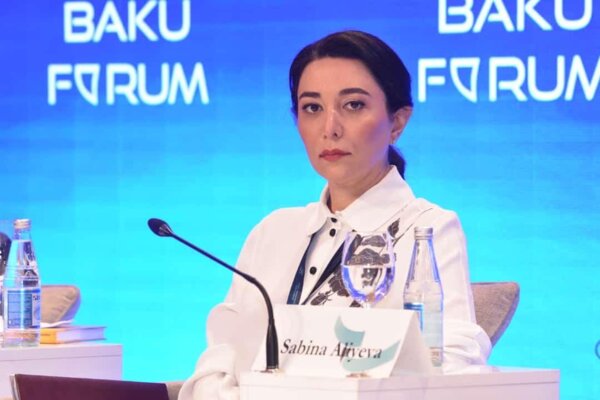
Azerbaijan's Commissioner for Human Rights (Ombudsman), Sabina Aliyeva, has proposed the establishment of a special mechanism to allow juvenile prisoners and those convicted of less serious crimes to pursue higher education. As reported by the Operative Information Center-OMM, the proposal was made during the Ombudsman's presentation of her 2025 activity report at a plenary session of the Milli Majlis (National Assembly).
According to Aliyeva, it is essential to create conditions for juvenile inmates and those who do not pose a significant public threat to participate in university entrance examinations, drawing on successful international experience. She noted that developing such a mechanism is crucial for ensuring the fundamental right to education for all citizens within Azerbaijan. Furthermore, the Ombudsman stated that her office continued regular monitoring visits to detention centers and other facilities where individuals are held against their will, leading to various recommendations sent to relevant state bodies to enhance the protection of human rights and freedoms.
Proposed changes to military service deferment
In addition to educational reforms for prisoners, the Ombudsman proposed an amendment to Article 21 of the Law "On Military Duty and Military Service" regarding deferment of call-up for education. The initiative suggests extending the right to military service deferment to students enrolled in correspondence (distance learning) programs. Currently, such deferments are primarily granted to full-time students, and this change aims to ensure equal educational opportunities for all students in the Republic of Azerbaijan.
The Ombudsman institution in Azerbaijan, established to protect the rights and freedoms enshrined in the Constitution and international treaties, plays a pivotal role in the country's legal reforms. These latest proposals reflect a broader strategy to align national legislation with international standards, focusing on social rehabilitation and the modernization of the educational and military sectors. By facilitating access to higher education for incarcerated youth, the state seeks to improve social reintegration and reduce recidivism rates across the country.