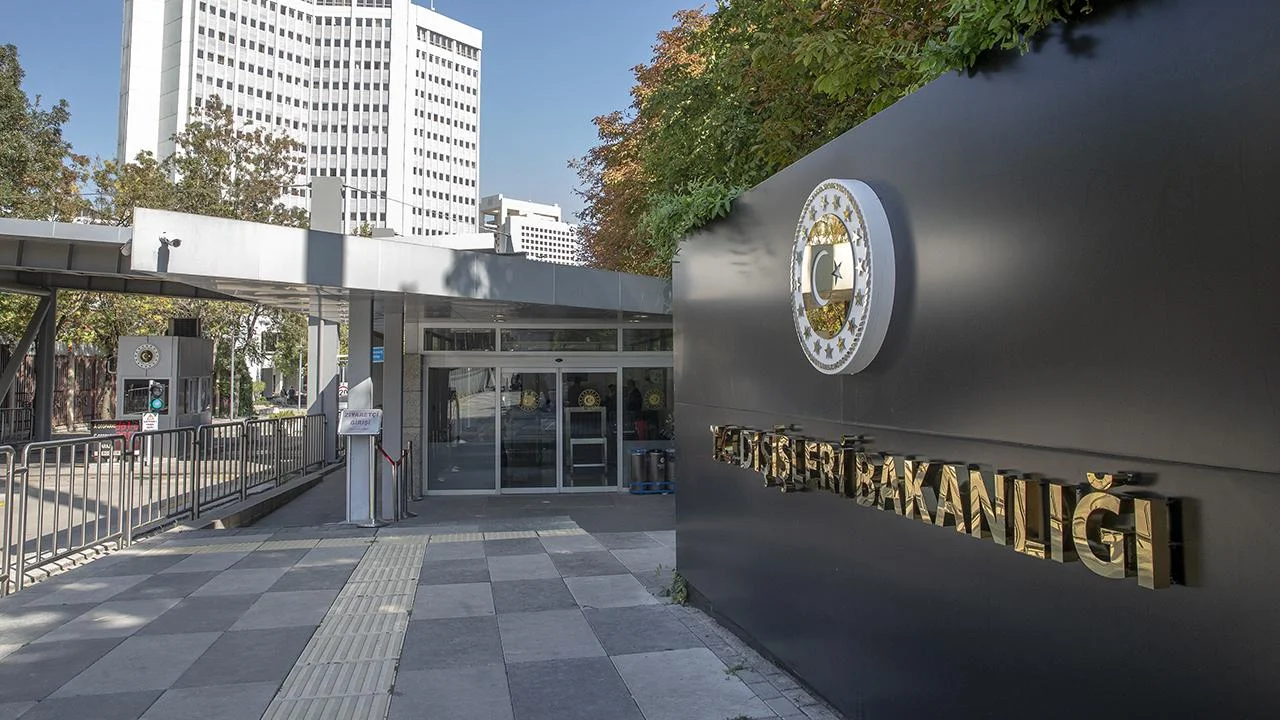
The NATO summit held in the Turkish capital, Ankara, has emerged as a focal point on the international security agenda. The gathering is being closely monitored as a critical platform for addressing both traditional military challenges and evolving hybrid threats in the region.
According to the Operative Information Center-OMM, an analysis published by the Europe-based platform "Visegrad Insight" highlights that the summit serves as a strategically significant meeting designed to counter potential Russian provocations. Wojciech Przybylski, editor of "Visegrad Insight," noted in his analysis that Russia's efforts against NATO have expanded beyond conventional military tactics. The report emphasizes that information warfare and psychological operations have become central tools in modern conflicts, with Moscow aiming to influence public opinion, exacerbate political polarization, and undermine trust within the alliance.
The summit has gained additional urgency following warnings from Polish Foreign Minister Radosław Sikorski regarding potential Russian provocations during the event. Based on intelligence reports, these concerns have prompted NATO member states to bolster their cybersecurity and information defense measures. Experts suggest that Moscow's primary objective is to sow discord within the alliance and complicate decision-making processes rather than engaging in direct military confrontation.
Turkey's role as host during this pivotal juncture underscores its strategic importance to the West. The NATO summit, established in 1949, remains the cornerstone of collective defense for its member nations. By hosting this event, Ankara reaffirms its commitment to the alliance's security architecture, with the outcomes of the summit expected to shape the future of European defense policy and collective resilience against hybrid warfare strategies.