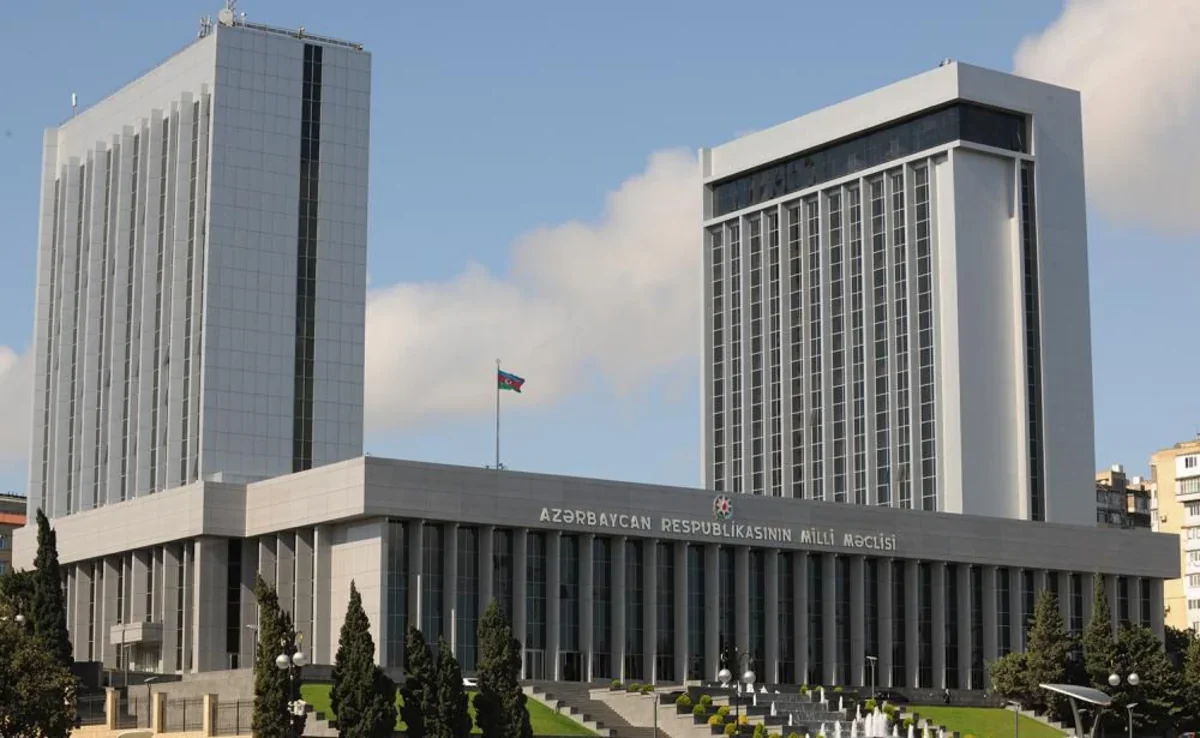
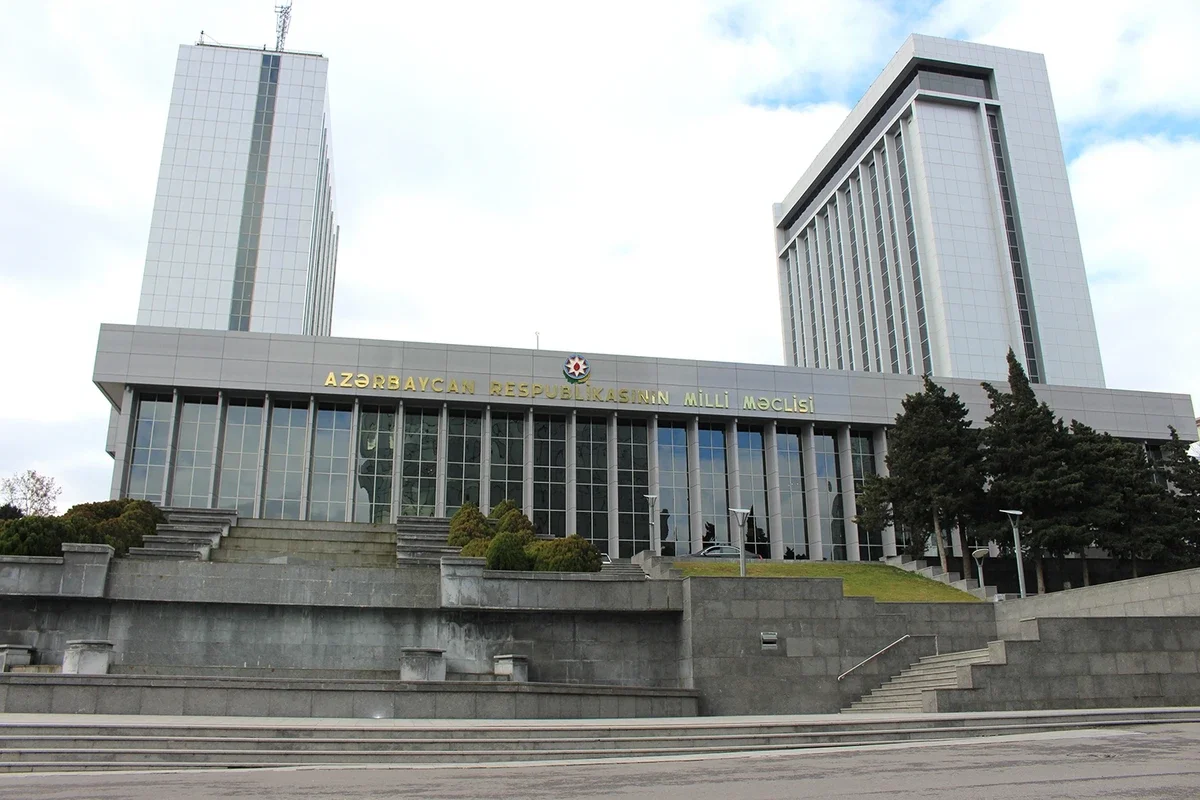
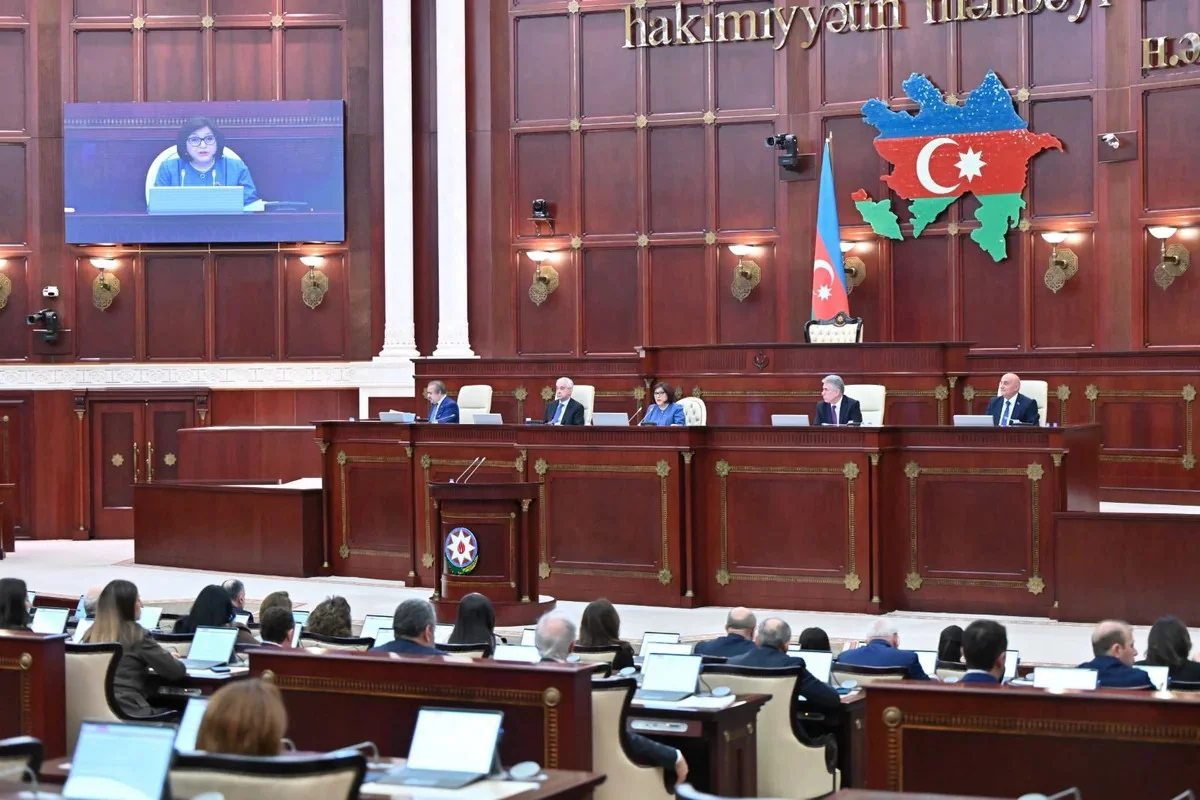
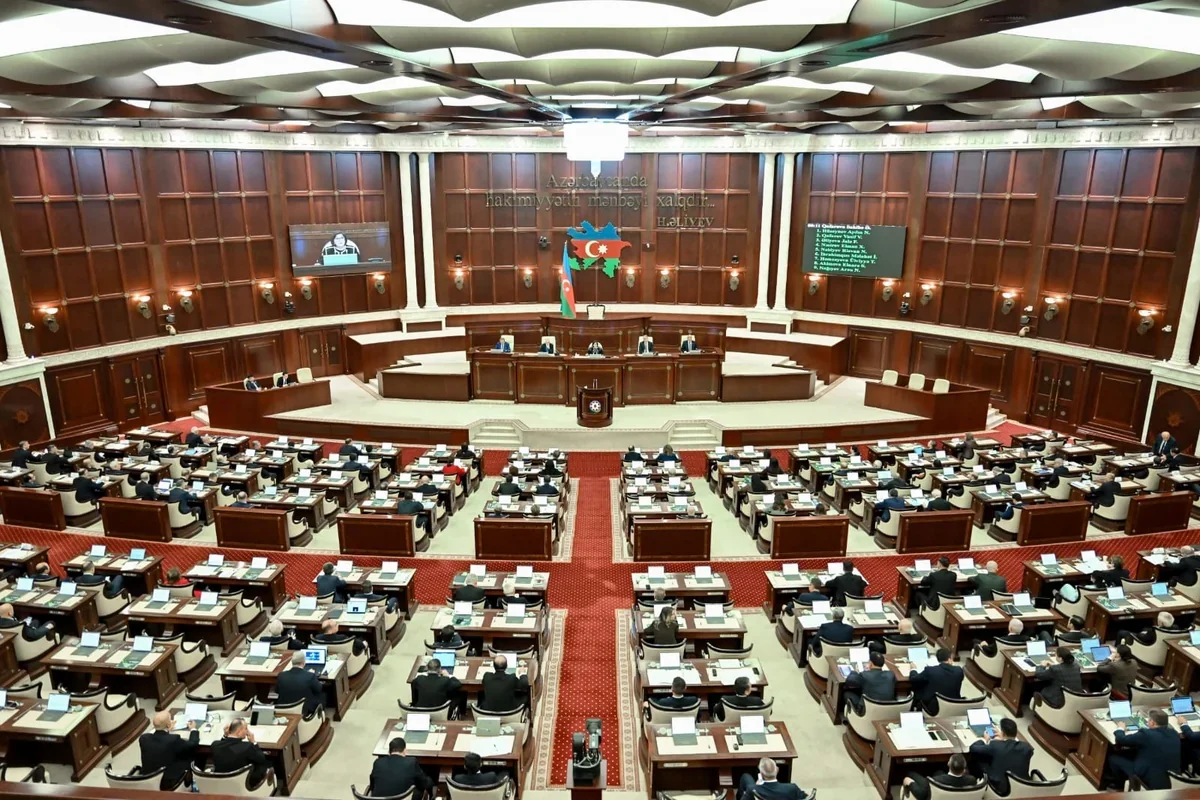
The Milli Majlis (National Assembly) of Azerbaijan has adopted, in the final reading, amendments that exempt individuals from criminal liability for certain economic crimes, provided they fully compensate for the damages caused or transfer the proceeds derived from the crime to the state budget.
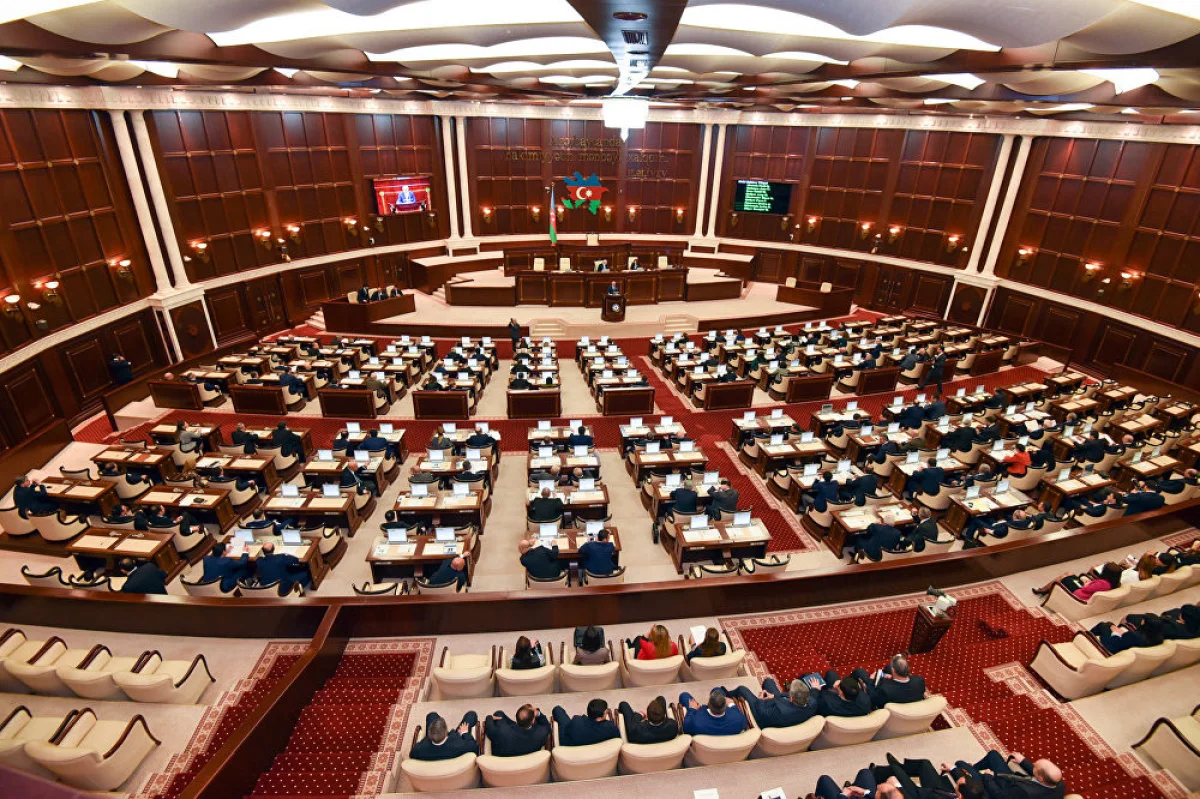
Operative Information Center-OMM reports that the draft law, which introduces changes to the Criminal Code, the Code of Criminal Procedure, and the Law "On Information, Informatization, and Protection of Information," was discussed during today's plenary session of the parliament's extraordinary session.
Under the new legislation, individuals who have committed specific economic offenses—such as illegal entrepreneurship, fictitious entrepreneurship, or restriction of competition—will be exempt from criminal liability if they fully compensate for the damage or transfer the illicit income to the state budget. Additionally, they must pay an amount equal to 50% of the damage caused (or income gained) to the state budget, replacing the previous requirement of paying double the amount.
The document also expands the definition of fictitious entrepreneurship (Article 193 of the Criminal Code) to include the registration of a person as a taxpayer without the intent to conduct business, or the actual management of a legal entity or registered individual for the purpose of obtaining illegal credit, tax exemptions, or other property benefits.
Furthermore, the bill proposes the repeal of Article 208 of the Criminal Code, titled "Failure to return foreign currency funds from abroad," with corresponding references removed from the Code of Criminal Procedure. The legislation also updates regulations regarding virtual gambling, explicitly including activities conducted via the internet, mobile networks, social media platforms, and other electronic communication technologies.
Penalties for organizing or conducting gambling have been revised. While previously fines were set within a fixed range, the new amendments link fines to the income generated from the crime, potentially reaching up to double the amount of the illicit proceeds. Penalties are also tightened for repeat offenses, involving minors, or generating significant financial gains.
Additionally, the law amends the Law "On Information, Informatization, and Protection of Information." According to the changes in Article 13-3, access to internet information resources may be temporarily restricted based on a decision by the relevant executive authority in cases involving prohibited content.
The draft law was put to a vote and adopted in the third reading following parliamentary discussions. These legislative reforms are part of Azerbaijan's ongoing efforts to liberalize the business environment, encourage voluntary compliance, and modernize the legal framework governing economic activities.